Agave kerchovei Care

Agave kerchovei

About Agave kerchovei

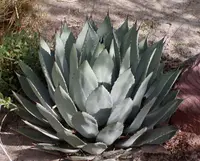
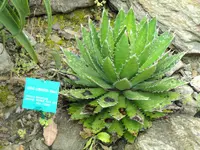
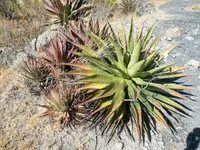
Agave kerchovei is a compact succulent from arid regions of Mexico, forming tight rosettes of stiff, sword-like leaves with sharp tips and striking marginal teeth. Mature plants may eventually send up a tall flowering stalk, after which the individual rosette dies, often leaving offsets around the base.

This species thrives in hot, dry conditions and is slow growing, which makes it suitable for containers and water-wise gardens. It tolerates neglect but demands excellent drainage and plenty of sun, so understanding how to care for Agave kerchovei mainly means avoiding excess moisture and heavy soil.

Main Plant Requirements

Care Difficulty

Easy Care

Light Preference

Full Sun

Water Requirements

Low Water

Temperature Preference

Warm Climate

Hardiness Zone

8–11

Soil Texture

Sandy, Loamy, Rocky

Soil pH

Slightly acidic (6.5–7.0), Neutral (7.0)

Soil Drainage

Well-drained

Fertilization

Minimal (feed rarely)

Get Personalized Care Plan

Scan your plant to receive care tips personalized for your specific plant

Available on iOS and Android

How to Care for the Agave kerchovei

This desert succulent needs strong light to keep its rosette compact and leaf color intense.

  • Provide 6–8 hours of direct sun daily, ideally with morning sun and some protection from harsh midafternoon summer sun in very hot climates.
  • It tolerates light partial shade, but prolonged shade causes elongated, weak growth and dull, greenish leaves in Agave kerchovei.
  • In cool or cloudy seasons, allow more direct sun; in summer heat waves, use light shade cloth or nearby plants to prevent leaf scorch and bleaching.

This plant stores water in its leaves and needs infrequent but deep watering.

  • Let the soil dry at least in the top 5–8 cm before watering; in hot growing seasons, this may mean every 10–21 days in fast-draining ground.
  • Use very well-drained, gritty soil so water runs through quickly; avoid any spot where water pools for more than a few hours after rain.
  • Watch leaves: mushy or yellowing bases indicate overwatering and possible rot, while wrinkling or folding leaves suggest it has been dry for too long.

This species prefers warm, dry conditions and tolerates significant heat when established.

  • Optimal growth occurs around 70–90°F (21–32°C), with good air movement to reduce humidity and leaf diseases.
  • Mature plants can survive brief drops to about 20–25°F (-6 to -4°C) if soil is very dry, but repeated hard freezes damage tissues.
  • Protect from frost by using covers or moving containers to shelter, and in extreme heat above 100°F (38°C) provide light shade to reduce stress.

This species handles typical indoor humidity and prefers fairly dry air.

  • Aim for 30–50% relative humidity, similar to most heated or air-conditioned homes.
  • Dry indoor air is usually tolerated; plants near heat sources may need occasional monitoring for leaf tip browning.
  • Crisping leaf margins can signal excess dryness; group plants or place a shallow water tray nearby only if these symptoms appear.

Agave kerchovei needs very fast-draining, mineral-based soil to prevent root rot.

  • Use a gritty mix such as 50–70% inorganic material (pumice, coarse sand, or small gravel) blended with 30–50% cactus potting mix.
  • Ensure water runs through the pot within seconds; any lingering puddling on the surface signals insufficient drainage.
  • A slightly acidic to neutral pH around 6.0–7.0 suits this species, though it tolerates slightly alkaline conditions.
  • Avoid moisture-retentive peat-heavy mixes, fine compost, or clay-rich garden soil that collapse and restrict aeration around the roots.

This species is well suited to container growing when the pot supports its heavy rosette and dry root conditions.

  • Choose a low, wide, heavy pot that resists tipping as the rosette gains size and weight on one side.
  • Select unglazed terracotta if faster moisture loss is needed in cooler or cloudier climates.
  • Raise the pot slightly on feet or blocks so drainage holes stay clear and water cannot pool under the base.

This drought-adapted succulent needs only light feeding for healthy growth.

  • Use a low-dose balanced NPK cactus or succulent fertilizer, or a very thin layer of compost on outdoor plants.
  • Feed once at the start and once mid-way through the warm growing season, no more than 2× per year.
  • Dilute liquid fertilizer to 25–50% strength to avoid root burn and excess leaf softness in Agave kerchovei.
  • Skip feeding in fall and winter when growth slows, especially in cool indoor or outdoor conditions.

This species needs minimal pruning, mainly for safety and sanitation.

  • Best time for light pruning is late spring or early summer when growth is most active.
  • Remove only dead, damaged, diseased, or badly scarred leaves, cutting them off at the base with sharp bypass pruners or a knife.
  • Trim carefully to maintain the natural rosette shape and avoid cutting healthy leaf tips, which do not regenerate.
  • Dispose of removed leaves safely, as the stiff spines of Agave kerchovei can injure people and pets.

This agave grows slowly and dislikes frequent disturbance, so repot or transplant only when necessary.

  • Look for roots circling the container, pushing through drainage holes, or noticeably slowed growth as a sign to move it.
  • Plan repotting or transplanting in late spring to early summer, about every 4–6 years for container-grown plants.
  • Choose a pot just 2–5 cm wider with fast-draining cactus mix, and handle the root ball gently to limit damage.
  • Water lightly after moving, then allow the soil to dry between waterings to reduce transplant shock for Agave kerchovei.

Propagation is usually done from offsets rather than seeds for this agave.

  • Separate well-formed offsets in late spring or early summer when temperatures are consistently warm.
  • Use a clean, sharp knife to cut pups from the mother plant, keeping some roots attached when possible.
  • Let cut surfaces dry and callus for 3–7 days in shade before planting in a gritty, fast-draining mix.
  • Provide bright light, warm temperatures, and very light watering until new roots form, then transition to normal Agave kerchovei care.

This plant has some cold tolerance but needs protection from hard freezes in many regions.

  • In-ground plants tolerate brief light frost if soil drains well, but extended freezes can damage leaves and the crown.
  • Apply a 5–8 cm layer of gravel or coarse mulch around, not touching, the rosette to insulate roots.
  • Move container plants indoors or under cover before temperatures drop below about 25°F, giving them bright, cool, dry conditions.
  • Keep soil almost dry in winter to prevent rot, since cold, wet conditions are the main risk for Agave kerchovei.

Care Tips

Elevate In Wet Climates

In areas with frequent rain, plant on a low mound or raised bed of gravelly soil so the root crown sits slightly higher than the surrounding grade, reducing the risk of rot during prolonged wet periods.

Use Mineral Mulch

Top-dress the root zone with a 2–5 cm layer of coarse gravel or crushed rock instead of organic mulch to keep the base dry, prevent crown rot, and reflect heat that supports compact rosette growth.

Manage Offsets Strategically

Remove and replant offsets only when they reach at least 5–8 cm across, using a clean, sharp knife and letting cut surfaces dry for several days so the main plant keeps a strong shape while providing healthy propagation material.

Protect From Winter Wet

In regions with cold, wet winters, place a clear rain shelter or lean-to over the plant from late fall to early spring so the foliage and crown stay dry even if air temperatures remain within its tolerance.

Handle Spines Safely

When moving or repotting, wrap the rosette loosely in folded newspaper or a thick towel and wear sturdy gloves, which prevents spine injuries and leaf breakage while caring for Agave kerchovei.

Common Pests and Diseases

Agave snout weevil

This pest attacks the base of the rosette, where adults chew and lay eggs, and larvae tunnel into the crown, causing collapse from the center. Symptoms include yellowing, wilting, and a soft, foul-smelling core.

Solution

Inspect the crown and base regularly, and remove and discard any infested plants completely, including roots, to prevent spread. Avoid wounding the base, keep plants in well-drained soil, and apply a systemic insecticide labeled for weevils to surrounding healthy agaves in high-risk areas as a preventative measure.

Agave mite

These microscopic eriophyid mites feed in tight leaf bases and emerging leaves, leading to distorted growth, rough or corky patches, and sometimes greasy-looking streaks. Symptoms include deformed new leaves and scarring that worsens over time.

Solution

Remove and discard severely affected plants, as mites are very difficult to eliminate once established. For valuable plants with mild symptoms, isolate them, remove damaged leaves if possible, and apply a miticide specifically labeled for eriophyid mites, repeating as directed while also minimizing overhead watering to reduce spread.

Soft scale

These insects attach to leaves and suck sap, producing sticky honeydew that can lead to sooty mold on the foliage. Symptoms include small dome-shaped bumps on leaves, yellowing patches, and a tacky surface.

Solution

Wipe leaves and leaf bases with a cloth dampened with water and a small amount of mild soap to remove scales and honeydew, or prune heavily infested leaves. For persistent populations, use a horticultural oil or insecticidal soap, ensuring thorough coverage of both leaf surfaces and repeating according to label directions.

Anthracnose leaf spot

This disease causes tan to brown, sunken lesions on leaves, often with darker margins, which may merge and deform the leaf blade. Symptoms include spots that expand during warm, humid periods and can eventually cause tissue dieback from the tips inward.

Solution

Remove and discard affected leaves, avoid overhead watering, and increase air movement around the plant to keep foliage dry. In wet or humid climates, use a copper-based or other labeled fungicide at the first sign of spotting, and space plants farther apart to reduce humidity in the rosette.

Bacterial soft rot

This disease affects the core and leaf bases, turning tissue soft, watery, and foul-smelling, often starting where water or injury has entered the crown. Symptoms include sudden collapse of leaves near the base and a slimy, decaying center.

Solution

Discard any plant with advanced soft rot, including surrounding soil if grown in a container, to prevent spread. To reduce risk, avoid water sitting in the rosette, keep the plant in sharply drained soil, protect the crown from mechanical injury and freezing damage, and ensure good air circulation around the base when growing Agave kerchovei outdoors.

Interesting Facts

Distinctively banded leaves

This species develops long, narrow leaves with irregular dark maroon to almost black transverse banding, a pattern far more pronounced than in many other agaves and especially visible on plants grown in high light and poor, rocky soil.

High-elevation desert native

It is naturally found on arid, rocky slopes in Puebla and Oaxaca, Mexico, often at higher elevations where nights are cool and sun exposure is intense, which shapes many of its drought and temperature tolerances.

Color change with stress

Leaf color can shift from greenish to deep purple-brown under strong sun, drought, and nutrient-poor conditions, so gardeners sometimes use controlled stress as part of Agave kerchovei care instructions to enhance its dramatic coloration.

Botan icon

Did you know?

In its native range, this species often grows on steep, erosion-prone volcanic or limestone outcrops, where its dense, fibrous root system helps anchor shallow soils and stabilize exposed slopes in the surrounding xeric scrub habitat.

FAQs about Agave kerchovei

This species does well in containers because of its compact rosette and slow growth. Use a wide, heavy pot with excellent drainage. Container growing Agave kerchovei also makes it easier to move the plant in cold or very wet weather.

Grow Healthy Plants with Botan Care

Keep your plants happy and healthy with plant identification, disease detection, and easy care guidance.

Botan plant care app — identify plants on mobile

Explore More Plants