Thorn-crested Agave Care (Agave lophantha)

Thorn-crested Agave

About Thorn-crested Agave

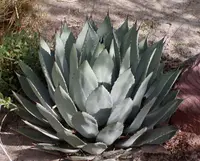
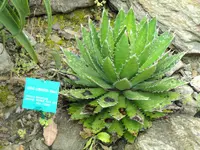
Thorn-crested agave (Agave lophantha) is a compact succulent from arid regions of northeastern Mexico and southern Texas. It naturally forms neat rosettes with stiff, sword-shaped leaves.

Leaves are dark green with pale central stripes and sharp, hooked teeth along the edges, giving the plant its common name. Mature plants may produce a tall flowering stalk once in their lifetime.

This species stays relatively small, which suits containers, rock gardens, and dry borders. It tolerates heat, sun, and drought well, but needs sharply draining soil to avoid root problems.

Many gardeners find it straightforward to care for Thorn-crested Agave as long as it receives strong light, low to moderate water, and protection from severe, prolonged frost.

Main Plant Requirements

Care Difficulty

Easy Care

Light Preference

Full Sun

Water Requirements

Low Water

Temperature Preference

Warm Climate

Hardiness Zone

8–11

Soil Texture

Sandy, Loamy, Rocky

Soil pH

Slightly acidic (6.5–7.0), Neutral (7.0)

Soil Drainage

Well-drained

Fertilization

Minimal (feed rarely)

Get Personalized Care Plan

Scan your plant to receive care tips personalized for your specific plant

Available on iOS and Android

How to Care for the Thorn-crested Agave

This desert succulent prefers strong sun but benefits from some protection at the hottest times of day.

  • Provide 6–8 hours of direct sun, ideally with morning sun and light afternoon shade, especially in hot inland climates.
  • Thorn-crested Agave tolerates light or dappled shade for part of the day, but very deep shade leads to stretched, weak growth and dull leaf color.
  • In very intense summer sun, especially above 95°F (35°C), offer filtered light or brief afternoon shade to reduce leaf scorch and brown spotting.

This species stores water in its leaves and needs infrequent, deep watering rather than frequent light drinks.

  • Outdoors in fast-draining soil, water only when the top 5–8 cm of soil are completely dry; in many climates this means every 2–4 weeks in warm seasons.
  • Reduce watering sharply in cool months, giving just enough to prevent shriveling; dry outer leaves and folding foliage indicate thirst, while mushy or yellowing bases suggest excess moisture.
  • For Agave lophantha, use very gritty, sharply draining soil or a rock garden setting so water never stands around the roots after rain or irrigation.

This hardy agave prefers warm, dry conditions but can tolerate short periods of cold if kept relatively dry.

  • Optimal growth occurs around 70–90°F (21–32°C), with good airflow and low to moderate humidity to reduce fungal problems.
  • Mature plants can survive brief drops to about 15–20°F (-9 to -6°C) if soil is well drained, but repeated hard freezes and wet cold increase rot risk.
  • In very hot periods above 100°F (38°C), slight afternoon shade and avoiding overhead watering during peak heat help prevent leaf scorch and stress.

Humidity is rarely a limiting factor for Agave lophantha in home or outdoor conditions.

Agave lophantha needs very fast-draining, mineral-based soil to prevent root and crown rot.

  • Use a gritty mix such as 50–70% inorganic material (pumice, coarse sand, or fine gravel) blended with 30–50% lean cactus potting mix.
  • Ensure the texture is sandy or rocky rather than loamy, so water drains through in seconds, not minutes.
  • Aim for slightly acidic to neutral pH around 6.0–7.0, avoiding strongly acidic or alkaline extremes that limit nutrient uptake.
  • Raise plants in mounded or raised beds if native soil is compacted clay, to improve aeration and runoff away from the root zone.

This species is well suited to container growing when drainage and stability are managed carefully.

  • Choose a heavy clay or concrete pot in windy sites to counteract the plant’s offsetting and potentially top-heavy growth.
  • Select a pot that is wider than it is deep to match the shallow, spreading root system and discourage water pooling at the base.
  • Fill the lower few cm with coarse gravel or large pumice pieces to speed water exit toward the drainage holes and keep the root zone drier.

Agave lophantha needs only light feeding in nutrient-poor, very free-draining soil.

  • Apply a diluted balanced liquid fertilizer (around 10-10-10) at 1/4–1/2 strength once in late spring and once in mid-summer.
  • Use a slow-release, low-nitrogen succulent fertilizer or a thin layer of compost, keeping it off the crown to avoid rot.
  • Do not feed in fall or winter when growth is minimal, especially for Thorn-crested Agave kept cool and dry.
  • Water lightly after feeding so nutrients move through the root zone without waterlogging.

Pruning needs for Agave lophantha are minimal and mainly hygiene-focused.

  • Best timing is late spring to early summer, when the plant is actively growing and recovers faster.
  • Remove dead, yellowing, or damaged leaves at the base using clean, sharp pruning shears.
  • Cut spent flower stalks back to the base once they dry, improving appearance and reducing disease risk.
  • Thin out crowded offsets only if needed to maintain rosette shape or prevent competition for space.

Container-grown plants need infrequent repotting, while garden Agave lophantha is usually transplanted only once to a permanent site.

  • Repot when roots circle the pot, emerge from drainage holes, or growth slows despite good light and water.
  • Plan repotting or transplanting for late spring, after frost risk, so roots can re-establish in warm soil.
  • Expect to repot every 3–5 years, moving to a container just 2–5 cm wider with gritty, fast-draining mix.
  • Minimize root stress by keeping the root ball largely intact, handling spines with thick gloves, and watering lightly after moving.

This species is most commonly propagated from offsets rather than seed for reliable Agave lophantha plant care.

  • Detach offsets in late spring or early summer when they are at least 5–10 cm across and have visible roots.
  • Use a clean, sharp knife to cut pups away, then let cut surfaces dry and callus for 2–5 days in shade.
  • Plant pups in a gritty, barely moist succulent mix, keeping them in bright, indirect light until rooted.
  • Seed propagation is possible in warm conditions (70–80°F) with evenly moist, very well-drained substrate but is slower and less uniform.

This agave is relatively cold tolerant but still benefits from thoughtful winter care in colder regions.

  • Mature plants often handle brief drops to around 10–15°F if soil is sharply drained and foliage stays dry.
  • In-ground plants in marginal climates benefit from a 5–8 cm gravel mulch to insulate the root zone.
  • Tilted or raised planting beds help winter water drain away from the crown, reducing rot risk.
  • Move container plants indoors or to an unheated bright shelter before hard freezes, and keep soil almost dry.

Care Tips

Offset management

Inspect the base yearly and remove crowded offsets with a clean, sharp knife so the main rosette keeps a balanced shape and has enough space for airflow and light.

Sun acclimation

When moving a plant from indoors or shade to full sun, increase direct light exposure gradually over 1–2 weeks to prevent leaf scorch and permanent scarring.

Winter moisture control

In regions with cool, wet winters, raise the plant on a gravel layer or in a raised container and keep the crown above any standing water to reduce root and crown rot risk.

Spine safety

Trim only the sharp terminal spine tips with sanitized scissors if the plant is in a high-traffic area, taking care not to cut into the leaf itself to avoid creating infection points.

Container longevity

Use a wide, heavy container with generous drainage holes so the shallow root system can anchor well and the top-heavy rosette is less likely to tip as it matures, which helps when caring for Thorn-crested Agave on patios or balconies.

Common Pests and Diseases

Agave snout weevil

This pest bores into the base of the rosette and introduces rot-causing bacteria, often causing sudden collapse of the whole plant. Symptoms include yellowing, wilting, and a soft, foul-smelling crown that may detach easily.

Solution

Inspect the crown and base regularly, especially in warm seasons, and remove and discard any infested plants, including surrounding soil, to prevent spread. Avoid wounding the plant, keep it in very well-drained soil, and if this pest is common in your area, use a labeled systemic insecticide as a preventative soil drench in spring according to local regulations and label directions.

Soft scale

These insects attach along leaf margins and midribs, sucking sap and producing sticky honeydew that can lead to sooty mold. Symptoms include yellowing patches, slowed growth, and rough or raised spots on the leaves.

Solution

Wipe leaves with a cloth dipped in mild soapy water or 70% isopropyl alcohol to remove visible scale, repeating weekly until gone. For heavier infestations, prune heavily infested leaves and use a targeted horticultural oil or insecticidal soap, applied thoroughly to leaf bases and undersides in the evening to reduce leaf scorch.

Mealybugs

This pest hides in leaf axils and along the bud, forming white, cottony clusters that weaken the plant by feeding on sap. Symptoms include distorted new growth, sticky honeydew, and slow decline, especially in container plants and indoor specimens.

Solution

Use a cotton swab dipped in 70% isopropyl alcohol to dab and dislodge visible mealybugs, then hose the plant to flush insects from leaf bases. If the population persists, apply insecticidal soap or neem oil to all plant surfaces and crevices every 7–10 days until no new insects appear, and isolate affected plants from others during treatment.

Anthracnose

This disease causes tan to dark brown, sunken lesions on leaves that may coalesce along margins or tips, giving the rosette a scorched appearance. Symptoms include small water-soaked spots that expand, often appearing after extended humidity or overhead watering.

Solution

Remove and dispose of affected leaves, improve spacing and airflow around the plant, and keep water off the foliage. In humid or rainy climates, use a copper-based or other labeled fungicide at the first sign of spotting, following label directions, and ensure the plant is grown in a bright, dry, and well-ventilated location.

Crown and heart rot

This disease starts in the central rosette where water sits, leading to soft, mushy tissue and a foul odor that spreads outward. Symptoms include inner leaves collapsing, pulling out easily, and sometimes blackened or brown, water-soaked bases.

Solution

Remove and discard severely affected plants, including as much of the surrounding soil as possible, since recovery is unlikely once the crown is rotten. To prevent recurrence, plant in fast-draining soil or gritty mix, avoid overhead watering and standing water in the rosette, and in rainy climates, use a sloped or raised planting position so water sheds quickly from the center of the plant when following Agave lophantha care instructions.

Interesting Facts

Natural barrier plant

This species has stiff, spine-edged leaves and a strong terminal spine, so in its native range in northeastern Mexico and southern Texas it has been traditionally planted as a living fence to deter livestock and foot traffic.

CAM photosynthesis specialist

Agave lophantha uses crassulacean acid metabolism (CAM), opening its stomata mainly at night to take in CO₂, which allows it to minimize water loss and survive in hot, seasonally dry habitats.

Variable leaf banding

Populations and cultivated forms can show striking variation in leaf patterning, from narrow pale central stripes to broader bands, and this natural variability has given rise to several ornamental selections, making Agave lophantha care instructions slightly different among cultivars in terms of light intensity and stress coloring.

Botan icon

Did you know?

In its native habitats of Tamaulipas and Nuevo León in Mexico, and into south Texas, Agave lophantha often grows on limestone slopes and rocky grasslands where it helps stabilize shallow soils, and its dense rosettes can create small microhabitats that shelter invertebrates and small reptiles from extreme sun and temperature swings.

FAQs about Thorn-crested Agave

Brown tips usually come from low humidity, physical damage, or old age of outer leaves. Browning at the base, with softness or a bad smell, suggests rot from excess moisture and poor drainage. Remove damaged parts and improve airflow.

Grow Healthy Plants with Botan Care

Keep your plants happy and healthy with plant identification, disease detection, and easy care guidance.

Botan plant care app — identify plants on mobile

Explore More Plants