


Container stability
Use a wide, heavy terracotta or concrete pot and top-dress the soil with a 2–3 cm layer of coarse gravel to counterbalance the tall stems and reduce the risk of the cactus tipping over as it gains height.

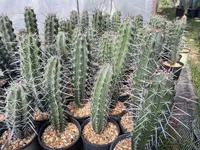
Stenocereus chacalapensis is a columnar cactus from arid regions of Mexico, where it grows on rocky slopes and dry scrublands. It forms tall, upright stems with well-defined ribs and short spines, creating a strong architectural shape.
In its native habitat it experiences intense sun, high temperatures, and very limited rainfall, which makes it highly drought tolerant but sensitive to excess moisture. Growth is relatively slow, and plants need time to establish deep root systems.
Because of its desert origin, it prefers bright light, excellent drainage, and infrequent watering, which simplifies how to care for Stenocereus chacalapensis in suitable conditions.

Care Difficulty
Moderate Care

Light Preference
Full Sun

Water Requirements
Low Water

Temperature Preference
Tropical / Frost Sensitive

Hardiness Zone
10–12

Soil Texture
Sandy, Rocky, Loamy

Soil pH
Slightly acidic (6.5–7.0), Neutral (7.0)

Soil Drainage
Well-drained

Fertilization
Minimal (feed rarely)
Scan your plant to receive care tips personalized for your specific plant
Available on iOS and Android
This desert columnar cactus needs strong, consistent sun to maintain compact, healthy growth.
This species is drought-adapted and prefers deep, infrequent watering in fast-draining soil.
This cactus thrives in warm, arid conditions and is sensitive to prolonged cold and frost.
This cactus tolerates a wide humidity range and usually does best in dry indoor air.
This species requires a very fast-draining, mineral-rich substrate to prevent root rot.
This tall, columnar cactus is suitable for container growing when stability and drainage are carefully managed.
This desert cactus needs minimal feeding but responds to light nutrition during active growth.
This species needs little pruning, mainly for safety and health rather than shaping.
Container or young plants benefit from occasional transplanting to maintain root health.
This cactus is commonly propagated from stem cuttings or seeds under warm, dry conditions.
This warm-climate cactus is frost sensitive and needs protection in regions with cold winters.

Plant Health Check
Not sure what's wrong with your plant? Check your plant's health inside the app.
This columnar cactus is naturally restricted to a small stretch of Pacific coastal scrub and dry forest in Oaxaca, Mexico, where it grows on rocky slopes exposed to intense sun and seasonal drought.
It produces large, white, nocturnal flowers that open at night and are adapted for pollination by nectar-feeding bats, which are attracted by the flower size, shape, and timing.
Mature plants form tall, candelabra-like clumps of upright stems that can reach several meters in height, creating important vertical structure and shelter for wildlife in its native habitat.

This species belongs to a group of coastal Stenocereus that are key components of so-called columnar cactus forests, ecosystems where these tall cacti dominate the landscape and strongly shape local biodiversity and nutrient cycles.
Growth is slow to moderate. Young plants may add 5–10 cm per year, occasionally more in ideal warm, bright, dry conditions. As stems age and thicken, vertical growth often slows, focusing energy on rib and spine development.
Keep your plants happy and healthy with plant identification, disease detection, and easy care guidance.

-1-200x150.webp)
Namibian Grape
Cyphostemma juttae
golden snakecactus
Bergerocactus emoryi
elephantear pricklypear
Opuntia tuna
Artichoke cactus
Obregonia denegrii
 POPULAR
Sand Rose
Anacampseros rufescens
Pegleg Butterbush
Tylecodon wallichii
heart-leaf ice plant
Mesembryanthemum cordifolium
Eve's needle cactus
Austrocylindropuntia subulata