Variegated Kalanchoe Care (Kalanchoe fedtschenkoi 'Marginata')

Also known as: Aurora Borealis, Kalanchoe

About Variegated Kalanchoe

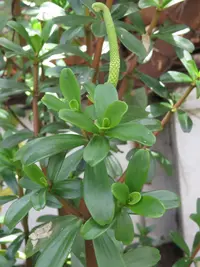
Kalanchoe fedtschenkoi 'Marginata', often called variegated kalanchoe, is a compact, shrubby succulent grown mainly for its colorful foliage. It forms dense clumps of fleshy, scalloped leaves with creamy margins that may blush pink in bright light.

This species comes from Madagascar and is adapted to hot, dry conditions, which makes it forgiving of missed waterings and generally easy to grow indoors. It prefers bright light, well-drained soil, and low to moderate moisture.

Because it stores water in its leaves and tolerates some neglect, it suits beginners learning how to care for Variegated Kalanchoe and other drought-tolerant plants.

Main Plant Requirements

Care Difficulty

Easy Care

Light Preference

Partial Sun

Water Requirements

Low Water

Temperature Preference

Tropical / Frost Sensitive

Hardiness Zone

10–11

Soil Texture

Sandy, Loamy, Rocky

Soil pH

Slightly acidic (6.5–7.0), Neutral (7.0)

Soil Drainage

Well-drained

Fertilization

Light (every 4–6 weeks)

Get Personalized Care Plan

Scan your plant to receive care tips personalized for your specific plant

Available on iOS and Android

How to Care for the Variegated Kalanchoe

This variegated succulent prefers bright light that balances color, compact growth, and leaf health.

  • Provide 4–6 hours of direct morning sun with bright, filtered light the rest of the day; afternoon sun should be gentle, especially in hot summers.
  • Variegated Kalanchoe tolerates light partial shade but may grow leggy and lose some variegation if kept below 4 hours of strong light daily.
  • In very strong summer sun, use light shade cloth or place where it receives dappled light at midday to prevent leaf scorch and brown patches.

This succulent stores water in its leaves and stems, so it prefers infrequent, thorough watering.

  • Allow the top 3–5 cm of soil to dry before watering, then water deeply so it drains quickly from the root zone through a gritty, fast-draining mix.
  • In spring and summer, expect to water more often during active growth; in fall and winter, extend the dry period and water only when leaves begin to soften slightly.
  • Kalanchoe fedtschenkoi 'Marginata' shows overwatering through yellowing, mushy leaves and stem rot, while underwatering causes wrinkled, thinning leaves and slow growth.

This succulent prefers warm, frost-free conditions with moderate seasonal variation.

  • Aim for 65–80°F (18–27°C) for active growth, with slightly cooler nights improving color and overall vigor.
  • Protect from cold below 40°F (4°C); damage often appears near 32°F (0°C), and hard frost can kill exposed stems and roots.
  • It tolerates short heat spikes up to about 95°F (35°C) if soil is well-drained and airflow is good, but intense heat combined with full afternoon sun can cause leaf scorch.

This succulent handles typical indoor humidity and prefers relatively dry air.

  • Aim for 30–50% humidity; avoid consistently above 60% to reduce rot risk.
  • Variegated Kalanchoe tolerates heated, dry rooms better than many houseplants, as long as watering stays conservative.
  • Watch for limp, darkening leaves as a sign of excess humidity and improve air movement rather than misting to relieve stress.

This species needs a sharply draining, airy mix that dries quickly between waterings.

  • Use a gritty, sandy structure such as 50–60% cactus mix blended with coarse perlite or pumice.
  • Ensure water drains through the pot within seconds, leaving no pooling on the surface or in the saucer.
  • Keep pH slightly acidic to neutral, around 6.0–7.0, which suits most commercial cactus or succulent mixes.
  • Avoid heavy peat-only, clay-rich, or compacted mixes; add coarse sand or fine bark chips to improve aeration and prevent root rot.

This plant is very suitable for container growing due to its compact, spreading habit.

  • Choose a shallow, wide pot that matches its spreading roots, reducing unused, constantly damp soil at the base.
  • Select unglazed terracotta if extra evaporation is needed, especially in cooler or darker positions.
  • Place the container where trailing stems cannot pull it off-balance; heavier pots provide stability for mature, top-heavy growth.

This succulent benefits from light feeding to support compact growth and foliage color.

  • Use a balanced liquid fertilizer (around 10-10-10 or 20-20-20) diluted to 25–50% strength.
  • Feed every 4–6 weeks in spring and summer when caring for Variegated Kalanchoe in active growth.
  • Choose either diluted liquid feed or a low-dose slow-release fertilizer mixed into the top soil layer.
  • Stop feeding in fall and winter, or limit to 1 very light application if growth continues indoors.

Thoughtful pruning keeps Kalanchoe fedtschenkoi 'Marginata' dense, tidy, and well-branched.

  • Best time is late winter to early spring, before strong new growth starts.
  • Use clean, sharp scissors or pruning snips to remove dead, damaged, or leggy stems.
  • Pinch or cut stem tips above a leaf node to encourage branching and a fuller shape.
  • Thin crowded stems to improve light penetration, which supports stronger growth and better flowering.

This succulent prefers slightly snug pots and only needs infrequent repotting.

  • Repot every 2–3 years or when roots circle the pot base, growth slows, or soil stays wet too long.
  • Best timing is spring, allowing Kalanchoe fedtschenkoi 'Marginata' to recover in the main growing season.
  • Move to a pot only 2–3 cm wider with fresh, fast-draining cactus or succulent mix.
  • Gently loosen circling roots, remove rotten sections, then water lightly and keep shaded for a few days.

This plant is commonly multiplied from stem cuttings for consistent variegation.

  • Take 5–8 cm non-flowering stem cuttings in late spring or summer.
  • Allow cut ends to dry and callus for 1–2 days before planting.
  • Insert cuttings into barely moist, gritty succulent mix and keep at 70–80°F with bright, indirect light.
  • Maintain very light moisture and good air circulation until roots form in 2–4 weeks.

Winter care focuses on keeping this succulent dry, frost-free, and bright.

  • Kalanchoe fedtschenkoi 'Marginata' is frost-sensitive and should avoid exposure near or below 32°F.
  • In cold climates, grow in containers and move indoors to a bright, cool room for winter.
  • Water sparingly in winter, allowing soil to dry well to prevent root rot.
  • In mild climates, use a light gravel mulch around the base to improve drainage and insulate roots.

Care Tips

Control leggy stems

Pinch or cut back lanky, overextended stems by 2–4 in in late spring to keep the plant compact and to encourage dense new growth from lower nodes.

Encourage trailing form

If grown in a hanging basket, selectively leave a few longer stems unpruned and gently direct them over the rim so they can harden in a trailing position without kinking or snapping.

Manage outdoor heat

In very hot, bright climates, place outdoor containers where they receive morning sun and use a light-colored pot to reduce root-zone overheating and leaf scorch in midafternoon.

Winter light adjustment

During short winter days, move the plant to the brightest indoor window and rotate the pot 90° every 1–2 weeks to keep the rosette-like stems evenly colored and prevent one-sided leaning.

Prevent mealybug buildup

Inspect stem joints and leaf undersides monthly, and at the first sign of mealybugs dab insects with a cotton swab dipped in 70% isopropyl alcohol, repeating weekly until no new pests appear to simplify caring for Variegated Kalanchoe.

Common Pests and Diseases

Mealybugs

This pest appears as small white cottony clusters along stems, leaf joints, and on the undersides of fleshy leaves. Symptoms include sticky honeydew, sooty mold on the residue, and slowed or distorted growth.

Solution

Isolate the plant, then dab visible insects with cotton swabs dipped in 70% isopropyl alcohol and wipe affected areas. For larger infestations, rinse the plant with a strong but gentle stream of water, then apply a neem oil or insecticidal soap spray every 7–10 days until no new mealybugs appear.

Aphids

These insects feed on the soft tips and flower stalks, causing curling, distortion, and sticky honeydew on the variegated foliage. Ant activity on the plant often increases due to the honeydew resource.

Solution

Rinse stems and leaf undersides with a firm stream of lukewarm water to remove most aphids, then treat remaining clusters with insecticidal soap or neem oil, ensuring thorough coverage. Reduce nitrogen-heavy fertilization that encourages tender, aphid‑prone growth and check nearby plants to prevent re‑infestation.

Soft scale

This pest looks like small, flat, tan or brown bumps attached firmly to stems and sometimes leaf veins, often accompanied by honeydew and black sooty mold. Symptoms include reduced vigor and yellowing or drop of older leaves.

Solution

Gently scrape or wipe individual scales off stems with a soft cloth or fingernail, then clean the plant with a mild soapy water solution. Follow up with neem oil or a horticultural oil spray, repeating every 10–14 days while monitoring new growth for any remaining scale.

Powdery mildew

This disease shows as white or gray powdery patches on the leaf surface, especially on older leaves and crowded stems. Symptoms include dull, discolored foliage and, in severe cases, leaf yellowing and drop.

Solution

Remove the worst affected leaves and improve air circulation by thinning crowded stems and avoiding overhead watering. Keep foliage dry, water only the soil, and if needed apply a sulfur-based or potassium bicarbonate fungicide labeled for succulents, following directions and repeating as necessary.

Oedema

Symptoms include small corky, blister-like spots on the leaf undersides or edges where the variegated tissue is thinnest, often following overwatering or sudden changes in moisture. This physiological disorder results from roots taking up water faster than leaves can release it.

Solution

Allow the soil to dry more thoroughly between waterings, especially in cool or low-light conditions, and use a fast‑draining succulent mix. Increase light gradually, improve airflow, and avoid watering late in the day so leaves and soil have time to dry.

Interesting Facts

Natural color response

The leaf margins develop stronger pink to red tones under higher light and mild drought, reflecting increased production of protective pigments called anthocyanins that help shield the tissue from excess sunlight.

Variegation and growth

Its cream-edged variegation reduces chlorophyll in the leaf margins, so this cultivar generally grows a bit slower and stays more compact than typical green forms of Kalanchoe fedtschenkoi.

Nighttime carbon storage

Like other Kalanchoe species, it uses crassulacean acid metabolism (CAM), opening stomata mainly at night to take in carbon dioxide and store it as organic acids, which helps reduce water loss in its dry native-type conditions.

FAQs about Variegated Kalanchoe

Lack of flowers usually comes from insufficient light, too much nitrogen fertilizer, or no cool, short-day period. Provide bright conditions, avoid heavy feeding, and give a cooler, slightly drier rest phase to encourage bud formation.

Grow Healthy Plants with Botan Care

Keep your plants happy and healthy with plant identification, disease detection, and easy care guidance.

Botan plant care app — identify plants on mobile

Explore More Plants