Sturdy container choice
Use a wide, heavy pot rather than a tall, narrow one so the plant’s top-heavy stems do not tip over as they elongate and develop large leaves.

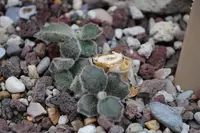
Kalanchoe beharensis 'Fang' is a succulent shrub with thick, felted leaves and knobby, fang-like bumps on the undersides. It is grown mainly for its sculptural foliage rather than flowers.
This cultivar comes from the dry regions of Madagascar, so it stores water in its leaves and tolerates indoor drought well. It usually forms a branching, upright plant that can become tree-like over time.
The species prefers bright light, well-draining gritty soil, and careful watering that avoids long periods of wet roots. These traits make it fairly low-maintenance, as long as you understand how to care for Felt Plant.

Care Difficulty
Easy Care

Light Preference
Bright Indirect Light

Water Requirements
Low Water

Temperature Preference
Tropical / Frost Sensitive

Hardiness Zone
11–12

Soil Texture
Sandy, Loamy, Rocky

Soil pH
Slightly acidic (6.5–7.0), Neutral (7.0)

Soil Drainage
Well-drained

Fertilization
Minimal (feed rarely)
Scan your plant to receive care tips personalized for your specific plant
Available on iOS and Android
This succulent prefers bright, indirect light and some direct sun but needs protection from harsh midday rays.
This drought-tolerant succulent needs thorough but infrequent watering in sharply draining soil.
This species prefers warm, dry conditions and does not tolerate frost.
Humidity is rarely a limiting factor for this drought-tolerant succulent indoors.
This species needs a sharply draining, mineral-rich mix that dries quickly between waterings.
This species grows very well in containers when given a stable, free-draining setup.
This succulent benefits from light feeding during active growth but does not need heavy fertilization.
Pruning helps maintain the structure and health of Kalanchoe beharensis 'Fang'.
This species prefers infrequent repotting and does best when its roots stay slightly snug.
Kalanchoe beharensis 'Fang' is commonly propagated from stem cuttings taken in the growing season.
Winter care focuses on preventing cold damage and excess moisture around this tender succulent.

Plant Health Check
Not sure what's wrong with your plant? Check your plant's health inside the app.
This cultivar develops pronounced, tooth-like tubercles on the undersides of its leaves, which create a distinctive scalloped profile when viewed from the side. These raised structures are especially prominent along the midrib and veins, making it visually different from the typical Kalanchoe beharensis form.
The dense, velvety hairs on the leaves act as a protective layer that reduces water loss and shields the plant from intense sun in its native-style dry environments. This felted texture also traps a thin layer of air at the surface, which moderates leaf temperature during hot, bright conditions.
Compared with the standard species, this cultivar usually stays more compact and shrubby in containers, with thicker, heavier leaves. This growth pattern makes it easier to maintain indoors without the tall, tree-like form seen in some other Kalanchoe beharensis selections.
Brown patches usually come from intense sun scorch, cold drafts, or salt buildup from fertilizer. Check for dry, papery spots from sun, or soft, dark tissue from cold damage. Remove damaged leaves and adjust exposure and feeding accordingly.
Keep your plants happy and healthy with plant identification, disease detection, and easy care guidance.