Campomanesia phaea Care

Campomanesia phaea

About Campomanesia phaea

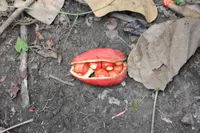
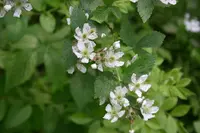
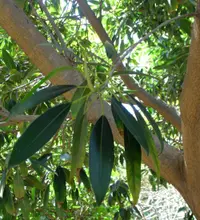
Campomanesia phaea, often called cambuci, is a small evergreen fruit tree from the Atlantic Forest of southeastern Brazil. It belongs to the Myrtaceae family, the same group as guava. The plant forms a dense, rounded crown with simple, glossy leaves and produces pale flowers followed by green, ribbed, aromatic fruits. In its native habitat, it grows in warm, humid, frost-free areas, usually in well-drained, slightly acidic soil. This species is moderately demanding, mainly because it prefers stable warmth, consistent moisture, and good soil fertility. For gardeners outside its native range, how to care for Campomanesia phaea depends largely on providing protection from cold and excess drought.

Main Plant Requirements

Care Difficulty

Moderate Care

Light Preference

Full Sun

Water Requirements

Regular Water

Temperature Preference

Tropical / Frost Sensitive

Hardiness Zone

10–12

Soil Texture

Sandy, Loamy, Organic-rich

Soil pH

Acidic (5.5–6.5), Slightly acidic (6.5–7.0)

Soil Drainage

Moist but well-drained

Fertilization

Minimal (feed rarely)

Get Personalized Care Plan

Scan your plant to receive care tips personalized for your specific plant

Available on iOS and Android

How to Care for the Campomanesia phaea

This species prefers bright, warm conditions similar to a subtropical orchard edge.

  • Provide 4–6 hours of direct morning sun with light afternoon shade; hot western sun can scorch young leaves.
  • Plant Campomanesia phaea where it receives full sun in mild coastal climates, but offer 30–50% filtered shade inland or in very hot summers.
  • In winter, ensure at least 6 hours of bright exposure; prolonged deep shade reduces flowering and fruit set over the following season.

This fruiting shrub prefers evenly moist but not saturated soil.

  • Allow the top 3–5 cm of soil to dry before deep watering, aiming to wet the root zone rather than the surface only.
  • Use well-drained, slightly sandy or loamy soil; persistent puddling, sour smell, or yellowing soft leaves indicate overwatering and poor drainage.
  • During hot, dry periods increase frequency as leaves begin to lose turgor, but reduce watering in cool or rainy seasons to avoid root problems.

This subtropical species grows best in consistently warm, frost-free conditions.

  • Aim for 68–86°F (20–30°C) for active growth; flowering and fruiting are most reliable within this range.
  • Protect plants if temperatures drop near 35°F (2°C); light frost can damage new growth, and hard freezes below 28°F (-2°C) may kill young specimens.
  • Heat up to about 95°F (35°C) is tolerated if soil moisture is maintained and roots are mulched to limit temperature extremes.

This species prefers moderately moist air but adapts to a wide range of outdoor humidity.

  • Aim for 50–70% humidity, which is typically available in mild to tropical outdoor climates.
  • Tolerates short dry spells, but prolonged air below 40% can slow growth and cause leaf edge browning.
  • Increase local humidity by mulching the root zone and grouping plants near other vegetation to reduce drying winds.

This fruit tree performs best in deep, loose, slightly acidic, well-drained soil.

  • Use a loamy mix rich in organic matter, combining garden loam with compost and coarse sand for structure.
  • Aim for pH 5.5–6.5, avoiding strongly alkaline soils that can limit nutrient uptake and cause chlorosis.
  • Ensure fast drainage so water does not stand; incorporate sand or fine gravel to prevent waterlogged, anaerobic conditions.
  • Avoid heavy, compacted clay; improve aeration by adding coarse composted bark or leaf mold throughout the root zone.

This species can be grown in large containers when space or soil conditions are limiting.

  • Choose a tall, heavy pot to provide root depth and prevent tipping as the woody canopy develops.
  • Use a free-draining mix and keep a drainage layer clear so water exits quickly after heavy irrigation or rain.
  • Position the container where wind exposure is reduced, since a top-heavy, fruiting plant in a pot is more prone to root-rocking.

This species benefits from modest feeding in cultivation, especially in containers.

  • Use a balanced granular or slow-release fertilizer (around 10-10-10 NPK) or well-matured compost in spring.
  • Feed Campomanesia phaea every 6–8 weeks during active growth, stopping in late summer.
  • Apply fertilizer at half the label rate for young or potted plants to prevent root burn.
  • During cooler months or reduced growth, limit feeding to a light compost top-dress or skip entirely.

Thoughtful pruning helps maintain structure, light penetration, and fruiting wood.

  • Carry out main pruning in late winter or very early spring before vigorous growth starts.
  • Remove dead, diseased, crossing, or inward-growing branches to improve airflow and reduce disease risk.
  • Thin crowded interior shoots to allow light into the canopy and encourage strong new growth and flowering on Campomanesia phaea.
  • Use clean, sharp bypass pruners or loppers, making smooth cuts just above buds or branch collars.

This species is usually grown in the ground, but young plants or container specimens may need occasional transplanting.

  • Plan major transplanting for late winter to early spring, when temperatures are mild and growth is about to resume.
  • Look for roots circling the pot, water running straight through, or slowed growth as signs a container plant needs more space.
  • Shift into a container only 1–2 sizes larger, or replant into a prepared ground site with well-drained, fertile soil.
  • Water thoroughly after moving, shade for several days, and keep soil evenly moist to reduce root stress in Campomanesia phaea.

Propagation is usually done from seed, with vegetative methods less common and slower.

  • Collect fully ripe fruits, clean seeds, and sow them fresh for better germination rates.
  • Sow in a free-draining, slightly acidic mix, keeping it evenly moist and warm at 70–80°F.
  • Late spring to early summer is suitable for sowing or for semi-hardwood cuttings where attempted.
  • Provide bright, indirect light, high humidity, and good air movement to support steady seedling development.

This subtropical tree dislikes hard frost and benefits from simple winter protection in cooler climates.

  • In regions with light frost, add a 5–8 cm mulch layer around the root zone, keeping it away from the trunk.
  • Wrap young trunks with breathable horticultural fleece during expected freezes to limit bark damage.
  • Grow Campomanesia phaea in large containers in cold areas and move indoors or into a frost-free greenhouse before temperatures drop near 32°F.

Care Tips

Encourage Strong Framework

In the first 2–3 years, selectively keep 3–4 well-spaced main branches and remove steep, crossing shoots to build a strong, open canopy that supports heavy fruit without breaking.

Mulch For Root Health

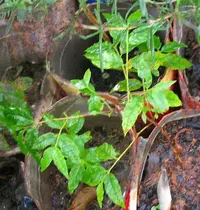
Apply a 5–8 cm layer of coarse organic mulch over the root zone, keeping it 5–10 cm away from the trunk, to stabilize soil moisture, reduce weed competition, and protect shallow feeder roots.

Protect From Wind

Install windbreak netting or plant the tree near a permeable barrier (such as a hedge or open fence) in exposed sites to reduce flower and young fruit drop caused by strong winds.

Fruit Thinning Strategy

On heavily blooming branches, remove about half of the small developing fruits so the remaining ones size up better and the tree does not exhaust itself, which improves long-term productivity when growing Campomanesia phaea.

Monitor Root Zone Drainage

Once a year at the end of the rainy season, dig a small test hole near the drip line and fill with water to check that it drains within a few hours, adjusting planting height or adding drainage channels if water lingers too long.

Common Pests and Diseases

Fruit fly infestation

These insects lay eggs in softening fruit, and larvae feed on the pulp, causing premature fruit drop and internal breakdown. Symptoms include tiny sting marks on the skin, soft patches, and maggots inside ripe or overripe guabiroba fruit.

Solution

Collect and destroy infested and fallen fruits daily, use fine mesh bags around developing fruit, and hang food-based traps to reduce adult populations. In productive outdoor plantings, cooperative field hygiene and, if needed, targeted bait sprays approved for edible fruit are used to manage how to take care of Campomanesia phaea in areas with heavy fruit fly pressure.

Guava psidium mite

This pest is a microscopic eriophyid mite that feeds on young leaves and fruits, leading to distorted, hardened, or russeted skin and misshapen fruit. Symptoms include rough corky patches and uneven coloring on the fruit surface.

Solution

Prune and destroy heavily deformed shoots and fruits, then maintain good canopy ventilation to reduce mite buildup. In small collections, wash young shoots with a strong but gentle stream of water; in larger orchards, apply sulfur or specific acaricide products labeled for eriophyid mites during flushing, following local regulations and safety intervals for fruit harvest.

Anthracnose

This disease is a fungal infection that attacks young leaves, twigs, flowers, and fruits, especially under warm, humid conditions. Symptoms include dark, sunken spots on leaves and fruit, blossom blight, and dieback of tender shoots.

Solution

Remove and destroy affected leaves, twigs, and mummified fruits, and avoid overhead irrigation that keeps foliage wet. Improve airflow with light pruning, and if the problem recurs during wet seasons, apply a copper-based or other labeled fruit-tree fungicide at the start of flowering and early fruit set, respecting all pre-harvest intervals.

Leaf spot complex

This disease is caused by several fungi that create scattered, circular to irregular brown lesions on leaves, sometimes with yellow halos. Symptoms include early leaf yellowing and drop when trees are stressed or grown in poorly ventilated, shaded positions.

Solution

Rake and remove fallen leaves, thin dense branches to increase light and air movement, and avoid frequent light watering that wets foliage. For persistent issues in humid climates, use preventative copper or broad-spectrum fungicide sprays at the beginning of the rainy season, focusing coverage on the internal canopy and young leaves.

Scale insects

These pests are small sap-feeding insects that attach to stems and leaf undersides, often covered by a waxy shell. This pest causes sticky honeydew, sooty mold growth, and general decline in vigor, especially in shaded or poorly ventilated sites or under Campomanesia phaea indoor care conditions.

Solution

Wipe or gently scrub affected stems and leaves with a cloth or soft brush dipped in water with a small amount of mild liquid soap, then rinse with clean water. On larger plants or recurring infestations, introduce natural enemies where possible or apply horticultural oil thoroughly to smother scales, repeating according to label directions to catch newly settled crawlers.

Interesting Facts

Atlantic forest endemic

This species occurs naturally in Brazil’s Atlantic forest, especially in the states of São Paulo and Rio de Janeiro, and is adapted to the region’s warm, humid, seasonally rainy climate.

Specialized pollination visitors

Its small, pale flowers are rich in nectar and are visited mainly by bees, which act as the primary pollinators in its native range.

Pulp for regional juices

The sweet-acidic orange pulp is widely used locally to prepare fresh juices, ice creams, and sweets, giving the fruit notable culinary importance in southeastern Brazil.

Botan icon

Did you know?

The fruit has a very thin, delicate skin and soft pulp that bruise easily, so it does not tolerate long-distance transport well and is therefore consumed almost entirely near production areas rather than entering large export markets.

FAQs about Campomanesia phaea

Growth is moderately fast in warm climates. Young plants may add 30–60 cm per year once established, slowing as they mature. Consistent moisture, deep soil, and occasional balanced fertilization support healthy growth and overall vigor.

Grow Healthy Plants with Botan Care

Keep your plants happy and healthy with plant identification, disease detection, and easy care guidance.


Botan plant care app — identify plants on mobile

Explore More Plants