chili pepper Care (Capsicum frutescens)

Also known as: Tabasco pepper, Chilies, bird pepper, Cayenne pepper, African Chilli, African Pepper, Chilli Bean, Green Chilli, Guinea Pepper, Hot Chilli, Hot Pepper, Natal Chilli, Red Pepper
chili pepper

About chili pepper

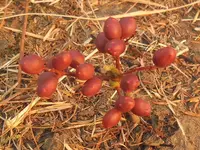
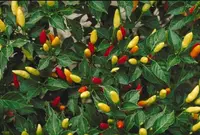
Capsicum frutescens is a perennial shrubby pepper species often grown as an annual in home gardens and containers. It produces many small, upright, usually very hot chili fruits. Plants stay relatively compact with branching stems, narrow leaves, and white flowers that develop into colorful fruits ranging from green to red or orange. In the wild, it occurs in tropical regions, especially Central and South America, and has spread widely through cultivation. This species is generally easy to grow if it receives strong light, warmth, and well-drained, moderately fertile soil. Understanding how to care for chili pepper helps maintain steady growth and reliable fruiting, especially in cooler or indoor conditions.

Main Plant Requirements

Care Difficulty

Moderate Care

Light Preference

Full Sun

Water Requirements

Moderate Water

Temperature Preference

Tropical / Frost Sensitive

Hardiness Zone

10–11

Soil Texture

Sandy, Loamy, Organic-rich

Soil pH

Acidic (5.5–6.5), Slightly acidic (6.5–7.0)

Soil Drainage

Moist but well-drained

Fertilization

Moderate (every 2–4 weeks)

Get Personalized Care Plan

Scan your plant to receive care tips personalized for your specific plant

Available on iOS and Android

How to Care for the chili pepper

Capsicum frutescens needs strong, consistent light to flower and fruit well.

  • Provide 6–8 hours of direct sun daily; full sun is ideal in mild climates, with morning sun and light afternoon shade in hotter regions.
  • Plants tolerate light partial shade (around 4–5 hours direct sun), but chili pepper yields and heat level can drop if light is reduced for long periods.
  • Watch for pale, leggy growth as a sign of too little sun, and for leaf scorch or crispy edges during intense afternoon sun, especially in summer.

Watering should keep the root zone moist but never waterlogged.

  • Before watering, let the top 3–5 cm of soil dry; use a finger test rather than a fixed schedule, as wind, heat, and soil type change drying speed.
  • In hot, active growth and fruiting periods, expect more frequent watering, while in cooler weather or early spring, intervals between waterings usually lengthen.
  • Capsicum frutescens shows underwatering as limp, dull leaves and dry soil; yellowing, soft stems, or a sour smell in heavy, poorly drained soil indicates overwatering.

Stable warmth is essential for strong growth and fruit set.

  • Aim for 70–85°F (21–29°C) during the day and 60–70°F (16–21°C) at night for best flowering and fruiting.
  • Growth slows noticeably below about 55°F (13°C), and tissue damage can occur as temperatures approach 40°F (4°C), especially with wind or wet soil.
  • Avoid frost entirely, and protect plants from extreme heat above 95°F (35°C) with light shade and extra airflow to limit blossom drop and sunscald on fruits.

This species prefers moderate humidity but adapts well to typical indoor air.

  • Aim for 40–60% humidity; short periods down to 30% are usually tolerated without damage.
  • Crisping leaf edges, poor flowering, or buds dropping in hot, very dry rooms indicate humidity stress.
  • Increase humidity locally with a nearby tray of water and stones, grouping plants, or a small fan set to low to reduce leaf drying without keeping air stagnant.

Capsicum frutescens grows best in loose, well‑structured, fast‑draining soil.

  • Use a loamy mix with 40–60% peat or coco coir, 20–30% compost, and 20–30% perlite or coarse sand for structure and aeration.
  • Aim for slightly acidic to neutral pH, around 6.0–7.0, to support nutrient uptake and stable growth.
  • Improve drainage by avoiding fine, compacting materials and by adding coarse perlite or small bark chips if the mix feels heavy.
  • Avoid dense garden clay, waterlogged spots, and mixes loaded with undecomposed manure, which raise salt levels and suffocate roots.

This species is well suited to container growing for both ornamental and harvest use.

  • Choose a pot at least 25–30 cm deep so the taproot can develop without circling and stressing the plant.
  • Select a heavier clay or ceramic pot in windy sites to prevent top‑heavy plants from tipping over as fruit weight increases.
  • Ensure the container base sheds water freely and never sits in a closed cachepot so roots are not exposed to prolonged saturation.

Capsicum frutescens responds well to steady, moderate nutrition during its active growing season.

  • Use a balanced liquid fertilizer (for example 10-10-10) at half strength every 2–3 weeks from early spring to late summer.
  • Alternatively, apply a slow-release fertilizer or thin layer of well-rotted compost at the start of the growing season.
  • Reduce feeding to once every 6–8 weeks in cooler months when growth slows or plants overwinter indoors.
  • Water before applying any fertilizer to minimize root burn and avoid feeding stressed, wilted, or recently repotted plants.

Pruning Capsicum frutescens is useful for controlling size, improving airflow, and maintaining fruit production.

  • Perform main pruning in late winter or early spring before strong new growth begins.
  • Remove dead, diseased, crossing, or very crowded branches with clean, sharp scissors or hand pruners.
  • Tip back excessively tall or leggy stems to encourage branching and a bushier canopy.
  • After harvesting, lightly shorten fruited stems to stimulate new flowering shoots without cutting into woody main branches.

Capsicum frutescens in containers benefits from timely repotting or transplanting to maintain vigorous growth and fruiting.

  • Check for roots circling the pot base, slow growth, or fast drying soil as signals the plant has outgrown its container.
  • Plan major repotting or outdoor transplanting for late spring once nights stay consistently above 55°F.
  • Move up only 1 pot size at a time, using a free-draining vegetable or tomato mix to limit waterlogging.
  • Handle the root ball gently, loosen outer roots slightly, water thoroughly afterward, and shade for 2–3 days to reduce transplant shock.

New Capsicum frutescens plants are most commonly raised from seed, with stem cuttings as a secondary option.

  • Sow fresh seeds in late winter to early spring in a light, sterile seed-starting mix kept at 75–85°F.
  • Maintain even moisture and high humidity, providing bright indirect light until seedlings develop several true leaves.
  • For cuttings, take 8–10 cm softwood tips in late spring, remove lower leaves, and insert into moist, well-drained medium.
  • Provide bottom warmth if possible, avoid waterlogging, and move young plants into brighter light gradually once rooted.

Capsicum frutescens is frost-sensitive and needs planned winter care in climates with cold winters.

  • In regions with frost, treat plants as annuals outdoors or move container-grown chili pepper plants indoors before nights drop below 45°F.
  • Overwinter indoors in bright light at 55–70°F, watering less often but not allowing complete root dryness.
  • In mild climates, apply a light mulch around the root zone to moderate soil temperature and moisture.

Care Tips

Use sturdy staking

Install a slim stake or cage early and loosely tie the main stems with soft ties so heavy fruit clusters do not snap branches or stress the root system in wind.

Pinch early flowers

Remove the very first flower buds on young plants so energy goes into root and stem development, which usually results in stronger plants and higher overall yields later in the season.

Targeted fruit thinning

If branches are heavily loaded with small fruits, remove a few per cluster to reduce breakage risk and encourage the remaining peppers to size up and ripen more evenly.

Routine pest scouting

Inspect leaf undersides and young shoots at least weekly for aphids, mites, and thrips, and wash them off with a firm water spray or apply an appropriate insecticidal soap at the first signs of damage.

End-of-season curing

At the end of the season, harvest mature fruits with short stems attached and air-dry them in a warm, shaded, well-ventilated spot for 1–2 weeks to improve flavor concentration and storage life when growing chili pepper.

Common Pests and Diseases

Broad mites

This pest attacks young leaves, flowers, and shoot tips, causing twisted, hardened, and bronzed new growth with stunting. Symptoms include distorted fruit set and a rough, corky skin on developing chilies.

Solution

Remove and discard heavily deformed shoot tips and fruits, then thoroughly rinse foliage with a strong but gentle stream of water to knock mites off. Improve air movement, avoid overhead misting on warm nights, and apply a horticultural oil or insecticidal soap labeled for mites to all leaf surfaces, repeating after 5–7 days to catch new hatchlings.

Pepper mosaic virus

This disease causes mottled light and dark green patches on leaves, leaf narrowing, and general stunting, often with reduced flowering and misshapen fruits. Symptoms include slowed growth and poor yields, especially in stressed plants.

Solution

Promptly remove and destroy any plants showing clear mosaic, distortion, and stunting, and disinfect pruning tools with 70% alcohol between plants. Control aphids and other sap-feeding insects that spread the virus, keep weeds down around pepper beds, and do not reuse seed saved from symptomatic plants.

Anthracnose fruit rot

This disease infects ripening fruits, producing sunken circular spots that turn dark with salmon to orange spore masses in moist conditions. Symptoms include rapid fruit decay and shriveling, often starting at small wounds or the blossom end.

Solution

Harvest and discard all affected fruits, including any that fell to the ground, and avoid overhead watering that keeps fruit surfaces wet. Improve spacing and airflow, mulch to reduce splash from soil, and use a copper- or biofungicide labeled for anthracnose on a regular schedule during warm, humid periods, especially as fruits begin to color.

Pepper leaf spot (bacterial)

This disease produces small, dark, water-soaked spots on leaves that can expand, turn tan in the center, and cause yellowing and premature leaf drop. Symptoms include spotting on young fruits and general weakening of the plant canopy.

Solution

Remove badly spotted leaves and any affected fruits, keeping foliage as dry as possible by watering at soil level in the morning only. Improve spacing for airflow, avoid working among plants when leaves are wet, and apply a copper-based bactericide at label rates if wet, warm weather persists.

Thrips

These insects feed by rasping and sucking plant cells, leaving silvery or bronzed patches and fine black specks of excrement on leaves and young fruits. Symptoms include distorted new growth and potential transmission of viral diseases in pepper plantings.

Solution

Rinse foliage and flowers with a firm spray of water, then use blue or yellow sticky traps to monitor and reduce adult numbers. Introduce or conserve natural enemies such as predatory mites, and, if needed, treat with insecticidal soap or neem oil, making sure to cover the undersides of leaves and repeating at 5–7 day intervals until new damage stops.

Interesting Facts

Ancestral chili lineage

Genetic studies indicate that this species belongs to one of the oldest domesticated chili lineages, closely related to wild peppers from the Amazon basin and northern South America.

Bird-dispersed seeds

In its native range, the small upright fruits are frequently eaten by birds, which are insensitive to capsaicin and help spread the seeds over long distances through their droppings.

Distinct upright fruits

Unlike many larger-fruited peppers, this species typically bears numerous slim, erect fruits on each branch, a growth habit that helps keep the pods visible to bird dispersers and reduces rot near the foliage.

Botan icon

Did you know?

This species is the primary ancestor of the famous Tabasco pepper, and forms the botanical backbone of traditional Tabasco-style hot sauces that rely on its naturally high acidity, thin flesh, and strong capsaicin content for fermentation and long-term storage.

FAQs about chili pepper

Yellowing leaves usually result from nutrient imbalance, overwatering, or root stress. Check drainage, let the topsoil dry slightly between waterings, and consider a balanced fertilizer with extra nitrogen and magnesium. Also inspect roots for rot when repotting.

Grow Healthy Plants with Botan Care

Keep your plants happy and healthy with plant identification, disease detection, and easy care guidance.

Botan plant care app — identify plants on mobile

Explore More Plants