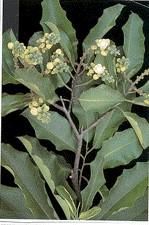
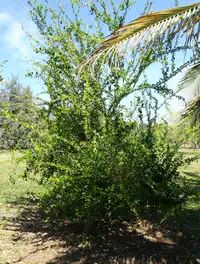
silver peanut butter fruit Care (Bunchosia argentea)

silver peanut butter fruit

About silver peanut butter fruit

Silver peanut butter fruit, Bunchosia argentea, is a small evergreen tree or large shrub grown for its unusual, sweet, peanut butter-flavored fruits. It has dense, silvery-green foliage and a compact, branching habit that suits warm gardens and protected patios.

This species is native to tropical regions of Central and South America, where it grows in warm, humid conditions. It is moderately easy to grow if provided with warmth, regular moisture, and well-drained soil.

The plant prefers bright light and shelter from strong, drying winds or cold. Understanding how to care for silver peanut butter fruit helps gardeners maintain healthy growth and fruiting performance.

Main Plant Requirements

Care Difficulty

Moderate Care

Light Preference

Full Sun

Water Requirements

Regular Water

Temperature Preference

Tropical / Frost Sensitive

Hardiness Zone

10–11

Soil Texture

Sandy, Loamy, Organic-rich

Soil pH

Acidic (5.5–6.5), Slightly acidic (6.5–7.0)

Soil Drainage

Moist but well-drained

Fertilization

Light (every 4–6 weeks)

Get Personalized Care Plan

Scan your plant to receive care tips personalized for your specific plant

Available on iOS and Android

How to Care for the silver peanut butter fruit

This species prefers bright, warm conditions similar to a subtropical edge-of-forest site.

  • Provide 6–8 hours of light daily, ideally with morning sun and light afternoon shade to protect foliage from scorching in hot climates.
  • Tolerates partial shade (around 3–4 hours of direct sun) but flowering and fruiting of silver peanut butter fruit decrease when light drops too low.
  • In summer, avoid harsh reflected or all-day afternoon sun; in cooler seasons, allow more direct light by thinning overhead shade where possible.

Watering should keep the root zone consistently moist but never waterlogged.

  • Allow the top 3–5 cm of soil to dry before watering again, then irrigate deeply so moisture reaches the full root depth.
  • In warm growing seasons, monitor more often, as drooping new leaves and dry, crumbly soil indicate Bunchosia argentea needs water, while yellowing leaves and sour-smelling soil suggest overwatering.
  • Plant in well-drained soil; raised beds or slight mounding help excess water run off, especially in areas with heavy clay or frequent rain.

This plant thrives in warm, frost-free conditions typical of lowland tropics and subtropics.

  • Aim for 70–85°F (21–29°C) during active growth; slight short-term dips or peaks beyond this range are usually tolerated if soil moisture is stable.
  • Avoid temperatures below 40°F (4°C); prolonged exposure near this level can cause leaf drop, while light frost around 32°F (0°C) may kill young shoots or entire small plants.
  • In hot spells above 95°F (35°C), provide soil mulch and some afternoon shade to limit heat stress and reduce moisture loss.

This species prefers moderately humid air and reacts if kept too dry for long periods.

  • Aim for 50–70% humidity, as prolonged levels below 40% can slow growth and dry leaf tips.
  • Silver peanut butter fruit tolerates brief dry indoor air but may show curled, crispy leaf edges and stalled new growth when stress persists.
  • Increase humidity locally with a pebble tray, grouping plants, or a nearby humidifier rather than misting, which adds only short-lived moisture.

Bunchosia argentea grows best in loose, well-aerated, consistently moist but free-draining soil.

  • Use a loamy mix with high organic matter, such as 50–60% composted bark or compost combined with 40–50% coarse material like perlite or horticultural sand.
  • Ensure rapid drainage so water does not pool; water should flow through within seconds and the mix should feel springy, not compacted.
  • Target a slightly acidic to neutral pH around 6.0–7.0 to support nutrient uptake and avoid micronutrient lockout.
  • Avoid heavy clay, fine peat-only mixes, or soils that crust on top, and lighten dense garden soil with coarse particles to improve aeration.

This species adapts well to container growing when given enough root volume and stable moisture conditions.

  • Choose a deep, heavy pot that resists tipping as the plant becomes woody and top-heavy with age.
  • Select a container material that matches your climate, using thicker ceramic to slow water loss in hot, dry locations.
  • Leave several centimeters between the root ball and pot walls to buffer moisture swings while still allowing the mix to dry within a few days.

This subtropical fruit tree benefits from modest, consistent feeding during active growth.

  • Use a balanced slow-release fertilizer (around 10-10-10) or well-rotted compost at the start of spring for silver peanut butter fruit.
  • Feed every 6–8 weeks through late summer, adjusting rates based on growth and soil fertility.
  • Apply at half the label rate for container plants and water thoroughly after feeding to avoid root burn.
  • Stop fertilizing in fall and winter, or reduce to very light applications in warm climates where growth slows.

Pruning helps Bunchosia argentea maintain a manageable size and encourages healthy branching.

  • Schedule structural pruning for late winter or very early spring before vigorous new growth starts.
  • Remove dead, diseased, crossing, or inward-growing branches to improve light penetration and air movement.
  • Shorten overly long shoots to shape the canopy and keep fruit within reach, making clean cuts above outward-facing buds.
  • Use sharp, disinfected hand pruners or loppers, and avoid removing more than 20–25% of the canopy in one season.

This species responds well to careful transplanting when roots become crowded or growth slows noticeably.

  • Check for roots circling the pot, emerging from drainage holes, or compacted soil as signs it needs a larger container or planting site.
  • Plan repotting or transplanting for late winter to early spring, before strong new growth and flowering begin.
  • Move up only 1–2 pot sizes, loosen circling roots gently, and set the plant at the same soil level as before to limit stress.
  • Water thoroughly after planting, provide light shade for 1–2 weeks, and keep soil evenly moist until new growth shows good establishment.

Bunchosia argentea is most commonly propagated from fresh seed, with stem cuttings used where conditions are controlled.

  • Sow ripe, cleaned seeds in spring in a free-draining seed mix, barely covering them and keeping the medium evenly moist and warm (70–80°F).
  • Provide bright, indirect light and stable warmth; germination can take several weeks, so maintain consistent moisture without waterlogging.
  • For semi-hardwood cuttings, take 10–15 cm tips in late spring to summer, remove lower leaves, and dip bases in rooting hormone.
  • Insert cuttings into a sterile, well-draining mix, cover with high humidity, and keep at 70–80°F until firm new growth appears.

This subtropical tree is frost sensitive and needs protection in climates with cold winters.

  • In ground, use a 5–8 cm mulch layer around the root zone in late fall, keeping material away from the trunk.
  • In areas below 30°F, wrap young trunks with breathable frost cloth and avoid heavy pruning late in the season.
  • Grow container plants in large pots and move them indoors or into a bright, frost-free greenhouse before temperatures drop near freezing.
  • Water sparingly but do not allow the root ball to dry out completely during winter, especially for indoor or sheltered plants.

Care Tips

Early framework training

In the first 2–3 years, select 3–5 strong branches as permanent scaffold limbs and remove closely competing shoots to build a stable, open framework that can carry the weight of future fruit clusters.

Fruit load thinning

When clusters set heavily, remove about one-third of the developing fruits per cluster so the remaining fruits size up better and the young tree does not exhaust itself, especially during its first heavy cropping seasons.

Wind and branch support

In windy sites, use soft ties and a sturdy stake for the main trunk and consider propping long, fruit-laden branches with adjustable supports to prevent splitting at the crotches.

Mulch for root buffering

Apply a 5–8 cm layer of coarse organic mulch in a wide ring around the drip line to stabilize soil moisture and temperature, but keep a 5–8 cm gap around the trunk to avoid rot when caring for silver peanut butter fruit.

Cold event protection

Before predicted cold snaps below the plant’s comfort range, water the root zone thoroughly, then wrap the trunk with frost cloth or breathable insulation and use temporary covers over smaller plants to reduce cold damage and dieback.

Common Pests and Diseases

Scale insects

This pest feeds on sap along young stems and leaf undersides, causing yellowing, leaf drop, and sticky honeydew that can lead to sooty mold on silver peanut butter fruit plants.

Solution

Prune and discard heavily infested twigs, then wipe remaining scales with a cotton pad dipped in 70% isopropyl alcohol or spray thoroughly with a light horticultural oil, repeating every 7–10 days until no new insects appear; improve light and general vigor to help the plant outgrow minor damage.

Fruit fly infestation

These insects lay eggs in ripening fruits, and larvae tunnel through the pulp, causing premature fruit drop, soft spots, and internal decay.

Solution

Collect and destroy all infested and fallen fruits, use fine mesh bags over developing fruit clusters, and place species-appropriate bait traps around the plant to reduce adult populations; avoid leaving overripe fruit on the tree or ground, as this sustains the life cycle.

Anthracnose

This disease causes small water-soaked leaf spots that enlarge into irregular brown patches, sometimes with yellow halos and tip dieback on young shoots, especially in warm, humid conditions.

Solution

Remove and discard affected leaves and twig tips, increase spacing and airflow around the plant, avoid overhead watering, and apply a copper-based or other labeled fungicide at the first sign of spotting, repeating as directed during wet periods.

Cercospora leaf spot

Symptoms include many small, round to oval tan or gray lesions with darker borders on mature leaves, which can merge and lead to partial defoliation on stressed plants.

Solution

Rake and remove fallen leaves to reduce spore load, keep foliage dry by watering at soil level, and, if spotting is persistent, treat with a labeled foliar fungicide and support plant health with balanced fertilization to reduce stress.

Mealybugs

This pest appears as white cottony clusters in leaf axils and on tender stems, sucking sap and excreting honeydew that can attract ants and promote sooty mold growth.

Solution

Physically remove visible clusters with a cotton swab dipped in 70% isopropyl alcohol, then follow up with repeated applications of insecticidal soap or light horticultural oil, ensuring thorough coverage of hidden crevices and monitoring weekly for reinfestation.

Interesting Facts

Natural peanut aroma

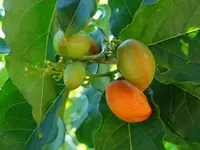
The ripe orange-red fruits develop a distinctive peanut-like aroma and flavor, which has led to the common name silver peanut butter fruit, even though the plant is not related to the peanut or true butter-producing plants.

Velvety silver foliage

The leaves are covered with a fine silvery pubescence (short hairs) on the underside, giving the plant a characteristic sheen that helps reduce water loss and reflect intense tropical sunlight in its native range of northern South America.

Bird-dispersed drupes

Its small fleshy drupes are attractive to birds, which consume the pulp and disperse the seeds, contributing to the plant’s natural spread in forest edges and disturbed habitats.

Botan icon

Did you know?

The species has been cultivated in some tropical and subtropical home gardens mainly as a curiosity fruit tree, because its unusual peanut-like flavor, soft texture, and relatively small plant size make it practical for enthusiasts interested in growing Bunchosia argentea close to patios or walkways for easy harvesting.

FAQs about silver peanut butter fruit

Yes, this species adapts well to large containers if root space is generous and drainage is excellent. Use a sturdy pot, refresh soil periodically, and prune lightly to manage size and maintain a strong framework.

Grow Healthy Plants with Botan Care

Keep your plants happy and healthy with plant identification, disease detection, and easy care guidance.

Botan plant care app — identify plants on mobile

Explore More Plants