Early framework training
In the first 3–4 years, select 3–5 well-spaced scaffold branches and gently tie them to canes or spreaders at a 45–60° angle to build a strong, open framework that carries fruit without breaking.

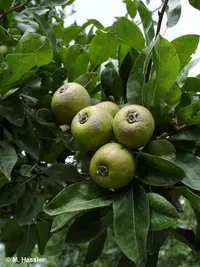
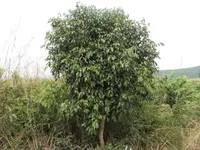
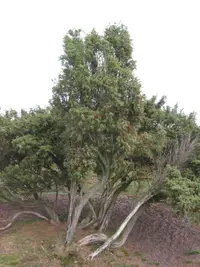
Snow pear, Pyrus nivalis, is a hardy deciduous fruit tree valued for its small, round pears and attractive, greyish-white foliage bloom. It forms a medium-sized tree with a broad, rounded crown and dense branching, often used in orchards, windbreaks, or as a landscape specimen.
This species is native to southeastern Europe and western Asia, where it grows in dry, open habitats and stony slopes. It is generally robust and tolerant of poor, alkaline soils, but prefers full sun and well-drained ground, which makes it relatively straightforward to care for Snow Pear.
Cold hardiness and drought tolerance are key traits, though fruit quality can be modest compared with commercial pear cultivars. It is mainly valued for toughness, ornamental interest, and as a rootstock or breeding parent.

Care Difficulty
Moderate Care

Light Preference
Full Sun

Water Requirements
Moderate Water

Temperature Preference
Cold Hardy

Hardiness Zone
4–7

Soil Texture
Sandy, Loamy, Clay

Soil pH
Slightly acidic (6.5–7.0), Neutral (7.0)

Soil Drainage
Well-drained

Fertilization
Minimal (feed rarely)
Scan your plant to receive care tips personalized for your specific plant
Available on iOS and Android
This hardy fruit tree performs best in open, bright conditions with plenty of direct sun.
This species prefers moderately moist, well-drained soil and is quite drought tolerant once established.
This cold-hardy pear thrives in temperate climates with distinct seasons.
Humidity is rarely a limiting factor for Pyrus nivalis grown outdoors in its usual climates.
Pyrus nivalis prefers moderately fertile, well-structured mineral soil with strong drainage.
This species can be grown in large containers for some years, provided the pot offers depth and stability for a developing tree.
Pyrus nivalis benefits from light, targeted feeding rather than heavy fertilization.
Pruning supports a stable framework and healthy canopy in Pyrus nivalis.
Snow pear is usually grown in the ground, so care focuses on proper transplanting rather than frequent repotting.
Pyrus nivalis is typically propagated by seed or grafting, which requires some planning and patience.
This species is cold hardy and usually needs minimal winter care once established in the landscape.

Plant Health Check
Not sure what's wrong with your plant? Check your plant's health inside the app.
This species is native to southeastern Europe and western Asia and is particularly tolerant of cold, continental climates, which is why it has been used as a hardy rootstock for grafting less cold-resistant pear cultivars.
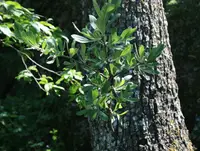
The leaves and young shoots often have a fine, pale pubescence, giving the tree a characteristic grey-green to silvery appearance that inspired the common name snow pear.
Its fruits are typically smaller, firmer, and more astringent than common dessert pears, so they are more often used for processing, fermentation, or as wildlife food than for eating fresh.

Pyrus nivalis has historically contributed genetic material to some cultivated pear lines, and its cold hardiness and drought tolerance have made it valuable in breeding programs aimed at improving stress resistance in commercial pear orchards.
This species has a moderate growth rate, typically adding about 30–60 cm of height per year under good conditions. Young trees often grow slightly faster, then slow as they approach mature size and begin regular fruiting.
Keep your plants happy and healthy with plant identification, disease detection, and easy care guidance.