Heen naran Care (Citrus × aurantium f. deliciosa)

Heen naran

About Heen naran

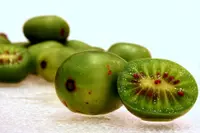
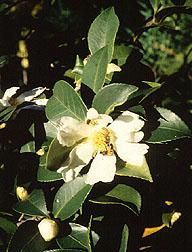
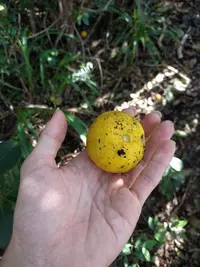
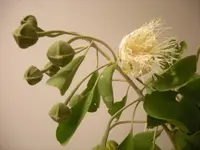
Heen naran is a small citrus tree or large shrub, related to bitter orange, known for its aromatic foliage and small, flavorful fruits. It belongs to Citrus × aurantium f. deliciosa and is traditionally grown in South Asia, especially Sri Lanka, often in home gardens. The plant has glossy evergreen leaves, white fragrant blossoms, and a compact to moderately spreading growth habit. Fruits are usually thin-skinned with a distinct sour-bitter taste used in cooking and traditional preparations. It is considered moderately easy to grow if given plenty of light, regular moisture, and well-drained, slightly fertile soil. Understanding how to care for Heen naran helps keep it productive and healthy over many years.

Main Plant Requirements

Care Difficulty

Moderate Care

Light Preference

Full Sun

Water Requirements

Moderate Water

Temperature Preference

Warm Climate

Hardiness Zone

9–11

Soil Texture

Sandy, Loamy, Organic-rich

Soil pH

Acidic (5.5–6.5), Slightly acidic (6.5–7.0)

Soil Drainage

Well-drained

Fertilization

Moderate (every 2–4 weeks)

Get Personalized Care Plan

Scan your plant to receive care tips personalized for your specific plant

Available on iOS and Android

How to Care for the Heen naran

This citrus prefers bright, steady light to flower and fruit well.

  • Provide 6–8 hours of direct sun daily, ideally with gentle morning sun and some protection from intense midafternoon summer sun.
  • In hot climates, give Citrus × aurantium f. deliciosa light shade after 2–3 p.m. or filtered light to reduce leaf scorch and fruit sunburn.
  • In winter, ensure the site stays as bright as possible; sparse flowering, weak growth, and pale, elongated shoots indicate insufficient light.

Consistent but not excessive moisture supports healthy roots and fruiting.

  • Water when the top 3–5 cm of soil feel dry, applying a deep soak so moisture reaches the full root zone, then allow excess to drain away.
  • Use well-drained, slightly sandy soil; prolonged puddling, sour smell, or yellowing leaves with soft roots indicate overwatering and poor aeration.
  • In hot, dry periods, expect more frequent watering, while in cool or rainy seasons reduce watering to avoid root rot and leaf drop.

Stable, mild temperatures help this citrus maintain steady growth and flowering.

  • Aim for 65–80°F (18–27°C) during active growth for best foliage, flowering, and fruit development.
  • The tree tolerates brief drops to about 28–30°F (-2 to -1°C), but growth slows below 55°F (13°C) and young shoots or blooms may be damaged.
  • Avoid prolonged exposure above 95°F (35°C); provide mulch and irrigation during heat waves and protect from frost with covers or relocation where possible.

This citrus prefers moderate humidity and reacts clearly to air that is too dry or too damp.

  • Aim for 40–60% humidity; it tolerates brief dips lower but prolonged very dry air weakens leaves and increases spider mite risk.
  • Crisping leaf tips, leaf drop, and sticky honeydew can indicate humidity stress combined with pests or inconsistent watering in Heen naran.
  • Increase humidity with a nearby room humidifier or grouped plants, but avoid misting foliage heavily to reduce fungal disease risk on leaves and fruit.

This citrus requires a sharply drained, slightly acidic to neutral, mineral-based mix that stays aerated between waterings.

  • Use a mix of 40% pine bark fines, 30% coarse perlite or pumice, and 30% loam or peat-based potting mix for Citrus × aurantium f. deliciosa.
  • Target pH 6.0–7.0; incorporate a small amount of compost or well-rotted manure, but avoid heavy, clay-rich or pure compost blends that hold water too long.
  • Ensure strong drainage by choosing a mix that feels gritty, not sticky, and adjust with more sand or perlite if water pools on the surface after watering.
  • Avoid compacted soil and fine peat-only mixes; periodically loosen the top 2–3 cm gently to maintain aeration without disturbing major roots.

This species is well suited to container growing when the pot supports its deep, woody root system and top-heavy canopy.

  • Choose a pot at least 40–50 cm deep to accommodate the strong taproot and prevent the plant from becoming easily root-bound and drought-stressed.
  • Select a heavy terracotta or ceramic container outdoors to stabilize the top-heavy crown against wind and to moderate rapid moisture swings.
  • Raise the pot on feet so drainage holes stay clear, allowing excess water to exit quickly and preventing saturated zones at the base of the root ball.

Citrus × aurantium f. deliciosa benefits from modest, consistent feeding during active growth for good foliage and fruit set.

  • Apply a balanced citrus-specific or 10-10-10 NPK fertilizer every 4–6 weeks in spring and summer.
  • Use slow-release granules or dilute liquid feed to half strength on moist soil to avoid root burn.
  • Reduce feeding sharply in fall and stop in winter when growth slows.
  • Mature Heen naran in fertile ground may only need a light spring compost layer as a nutrient top-up.

Citrus × aurantium f. deliciosa responds well to light structural pruning that maintains an open, productive canopy.

  • Time main pruning for late winter or very early spring before strong new growth starts.
  • Remove dead, diseased, crossing, or inward-growing branches with clean, sharp bypass pruners or loppers.
  • Thin crowded interior twigs to increase light and airflow, which supports flowering and reduces fungal problems.
  • Shorten overly long shoots to shape the crown, keeping a balanced, dome-like form without excessive cutting.

Container-grown Citrus × aurantium f. deliciosa needs occasional repotting or transplanting to maintain healthy root growth and stable moisture.

  • Check for roots circling the pot, pushing out drainage holes, or slowed top growth as signals to move up 1 pot size.
  • Plan repotting for late winter or early spring, about every 2–3 years for young trees, less often for mature ones.
  • Use a free-draining citrus or sandy loam mix, gently loosen circling roots, and trim only damaged sections.
  • Water thoroughly after repotting, then keep in bright, sheltered conditions for 1–2 weeks to limit transplant stress.

Citrus × aurantium f. deliciosa is most reliably propagated by semi-hardwood cuttings and grafting, with seeds mainly used for rootstocks.

  • Take semi-hardwood cuttings in late summer, 10–15 cm long, from non-flowering shoots with several leaf nodes.
  • Remove lower leaves, dip the cut base in rooting hormone, and place in a sterile, well-drained propagation mix.
  • Maintain 70–80°F, high humidity, and bright indirect light until roots form, often in 6–8 weeks.
  • Sow seeds fresh in warm conditions, but expect variable offspring; graft desired cultivars onto vigorous seedlings or rootstocks.

Citrus × aurantium f. deliciosa is frost-sensitive and needs managed winter conditions in cooler climates.

  • In regions below about 25°F, grow in containers or provide sheltered planting sites with reflected heat.
  • Mulch the root zone with 5–8 cm of organic material, keeping it slightly away from the trunk base.
  • Wrap young trunks with breathable frost cloth or horticultural fleece during hard freezes to limit bark injury.
  • Move potted trees indoors or into an unheated but bright space before nights drop below 32°F, reducing watering.

Care Tips

Branch training

Select 3–5 strong scaffold branches and gently tie them to a wider angle (45–60°) using soft ties to create a stronger framework that supports fruit weight and improves light penetration into the canopy.

Regular thorn management

On container plants or trees in high-traffic areas, prune back only the most hazardous thorns with clean, sharp shears to reduce injury risk while leaving enough spines to avoid stressing the plant.

Targeted fruit thinning

When young fruits reach marble size, remove surplus or clustered fruits by hand so that remaining fruits are spaced 8–10 cm apart, which helps prevent branch breakage and improves final fruit size and quality.

Root pruning for pots

Every 2–3 years, slide the root ball from the container, trim 2–3 cm from the outer roots all around, then repot with fresh mix to control plant size and maintain vigorous growth in long-term containers.

Cold-season relocation

In regions with frost, move container trees to a bright, sheltered spot such as an unheated sunroom or greenhouse before temperatures drop below 40°F to reduce cold stress and leaf drop when caring for Heen naran.

Common Pests and Diseases

Citrus leaf miner

This pest causes silvery, winding tunnels in young leaves, often leaving them curled or distorted. Damage reduces new growth and can stress young or container-grown plants.

Solution

Prune and discard heavily mined young shoots, then encourage strong new flushes with steady watering and balanced fertilization. For active infestations, apply a horticultural oil or spinosad spray to new flushes in the evening every 7–14 days, avoiding treatment during full bloom to protect pollinators.

Asian citrus psyllid

This pest feeds on tender new shoots, causing distorted growth and leaf yellowing, and is the vector of huanglongbing (citrus greening). Symptoms include misshapen leaves, sticky honeydew, and sooty mold development on surfaces below the plant.

Solution

Monitor new growth frequently and remove heavily infested shoots. In affected regions, follow local extension guidance, use yellow sticky traps for early detection, protect new flushes with horticultural oil or insecticidal soap, and avoid moving plants or cuttings from regulated areas to reduce disease spread.

Citrus scab

This disease forms corky, raised, scab-like lesions on young fruit, leaves, and twigs, leading to misshapen fruit and rough rind surfaces. Symptoms include small, pale spots that enlarge and become warty and cracked over time.

Solution

Prune and destroy infected twigs and leaves to reduce spore sources, and avoid overhead watering that keeps foliage wet. At bud break and during early fruit set, apply a copper-based fungicide according to label directions, ensuring good coverage of new leaves and developing fruit.

Citrus canker

This disease causes raised, corky leaf and fruit lesions with a yellow halo, leading to premature leaf and fruit drop in susceptible citrus. Infected trees serve as a source of bacterial spread by wind-driven rain and contaminated tools.

Solution

Remove and destroy infected twigs and heavily affected fruit, disinfect pruning tools with 10% bleach or 70% alcohol between cuts, and avoid working on trees when foliage is wet. In areas where it is regulated, follow local plant health authority instructions, use windbreaks if possible, and apply copper sprays preventively during periods of warm, wet weather to reduce new infections.

Citrus sooty mold

This disease appears as a black, soot-like coating on leaves, stems, and fruit surfaces, growing on the honeydew excreted by sap-feeding insects like aphids, whiteflies, scales, and psyllids. Symptoms include dull, blackened foliage and reduced photosynthesis but usually limited direct tissue damage.

Solution

Control honeydew-producing insects with targeted methods such as horticultural oil or insecticidal soap, focusing on the undersides of leaves and young shoots. Once pests are reduced, gently wash affected leaves and fruit with a soft cloth and lukewarm water, and improve air circulation around the canopy to help surfaces dry quickly as part of broader Citrus × aurantium f. deliciosa plant care.

Interesting Facts

Origin in Mediterranean

This bitter orange form is thought to have arisen and been selected in the Mediterranean region, where growers favored it for its aromatic rind and tolerance of mild coastal climates.

Distinctive bitter flavor

Compared with sweet oranges, its fruit pulp and peel are noticeably more bitter and aromatic, so it is used more for flavoring, marmalades, and candied peel than for fresh eating.

Highly scented blossoms

The white flowers are rich in essential oils and produce a strong fragrance that has been valued in traditional perfumery and in small-scale flavoring of syrups and liqueurs.

FAQs about Heen naran

Yes, this species grows well in large containers with drainage. Use a slightly acidic, well-aerated potting mix and repot every 2–3 years. Container culture also helps control size and makes winter protection easier, especially when growing Heen naran.

Grow Healthy Plants with Botan Care

Keep your plants happy and healthy with plant identification, disease detection, and easy care guidance.

Botan plant care app — identify plants on mobile

Explore More Plants