Root zone protection
Apply a 3–5 cm layer of coarse, mineral mulch such as gravel or crushed stone around the base to keep roots cool, reduce weed competition, and prevent bark damage from string trimmers.

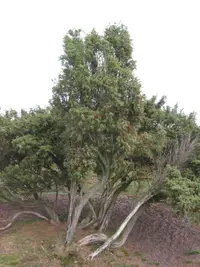
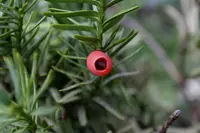
Common juniper (Juniperus communis) is a hardy, slow-growing evergreen conifer, usually forming a low shrub or small tree with dense, needle-like foliage. Its berries, actually fleshy cones, ripen from green to bluish black and are widely known for their use as a spice.
This species naturally occurs across cool, sunny, often rocky sites in North America, Europe, and parts of Asia. It tolerates poor, dry soils and wind, which makes it suitable for exposed gardens but less suited to small containers or low-light spaces.
Understanding how to care for common juniper starts with its preference for full sun, sharply drained soil, and relatively low moisture, which reflects its origins in open, well-ventilated habitats.

Care Difficulty
Moderate Care

Light Preference
Full Sun

Water Requirements
Low Water

Temperature Preference
Cold Hardy

Hardiness Zone
2–6

Soil Texture
Sandy, Loamy, Rocky

Soil pH
Acidic (5.5–6.5), Slightly acidic (6.5–7.0)

Soil Drainage
Well-drained

Fertilization
Minimal (feed rarely)
Scan your plant to receive care tips personalized for your specific plant
Available on iOS and Android
This shrub needs strong outdoor light to maintain dense foliage and healthy growth.
This species prefers dry to moderately dry soil and is highly sensitive to excess moisture.
This hardy conifer tolerates a wide temperature range but grows best in cool to temperate conditions.
This species prefers relatively dry air and usually does not need humidity adjustment indoors.
Juniperus communis grows best in mineral, well-drained soil that does not stay wet.
This species can be grown in containers if the pot and substrate strongly favor drainage and root aeration.
This species usually needs minimal feeding, especially in the ground, but container-grown common juniper benefits from light, controlled fertilization.
Pruning Juniperus communis is mainly corrective, aimed at maintaining structure and removing problem growth rather than reshaping heavily.
This juniper is more often field-grown or in-ground, so transplanting is more common than frequent container repotting.
Juniperus communis is usually propagated from semi-hardwood cuttings or seeds, both of which demand patience and controlled conditions.
This species is very cold hardy in most temperate climates and generally needs only minimal winter care once established outdoors.

Plant Health Check
Not sure what's wrong with your plant? Check your plant's health inside the app.
The bluish “berries” of this species are actually modified cones with fleshy scales that fuse together, and they typically take 2–3 years to ripen from green to deep blue-black.
This species has one of the broadest natural distributions of any conifer, occurring across much of the Northern Hemisphere from North America through Europe to parts of Asia, in habitats ranging from coastal dunes to subalpine slopes.
Populations of this species show strong genetic and morphological variation, which is why botanists recognize multiple subspecies and forms adapted to different climates and elevations.

In parts of Europe, the ripe cones of this species are an essential aromatic ingredient in traditional gin production, where they legally must be used to give the spirit its characteristic juniper flavor and aroma.
This species grows slowly, typically about 5–15 cm per year under average garden conditions. Growth is faster in full sun, well-drained soil, and open sites, and slower in shade, compacted soil, or exposed containers.
Keep your plants happy and healthy with plant identification, disease detection, and easy care guidance.