flowering dogwood Care (Cornus florida)

Also known as: Flowering Cornel
flowering dogwood

About flowering dogwood

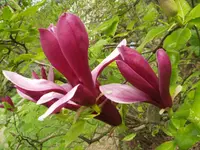
Flowering dogwood, Cornus florida, is a small deciduous tree valued for its showy spring bracts that surround clusters of tiny true flowers. It usually forms a graceful, layered canopy and fits well in smaller gardens or naturalistic plantings.

In nature it occurs in woodlands and forest edges across eastern North America, often as an understory tree beneath taller species. It can be somewhat sensitive, so learning how to care for flowering dogwood helps maintain vigor and flowering.

This species prefers light shade to morning sun, evenly moist but well-drained soil, and good air circulation. When given suitable conditions and protected from stress, it offers reliable seasonal interest with blossoms, summer foliage, and colorful autumn leaves.

Main Plant Requirements

Care Difficulty

Moderate Care

Light Preference

Partial Shade

Water Requirements

Moderate Water

Temperature Preference

Cold Hardy

Hardiness Zone

5–9

Soil Texture

Loamy, Sandy, Organic-rich

Soil pH

Strongly acidic (4.5–5.5), Acidic (5.5–6.5)

Soil Drainage

Moist but well-drained

Fertilization

Minimal (feed rarely)

Get Personalized Care Plan

Scan your plant to receive care tips personalized for your specific plant

Available on iOS and Android

How to Care for the flowering dogwood

This small understory tree prefers bright but gentle light that mimics forest-edge conditions.

  • Provide 3–6 hours of direct morning sun with light afternoon shade to protect bracts and foliage from scorch.
  • Tolerates partial shade, especially under high, open canopies; flowering dogwood may bloom less in dense shade but foliage stays healthier.
  • In hot summers, use filtered light or dappled shade from midday onward to reduce heat stress and leaf burn, especially on young trees.

This species prefers evenly moist, cool soil and reacts quickly to both drought and waterlogging.

  • Allow the top 3–5 cm of soil to dry slightly, then water deeply so moisture reaches 20–30 cm, encouraging a wide, resilient root system.
  • During the first 2–3 growing seasons, monitor weekly in dry weather; drooping, dull leaves by midday signal the need for a thorough soaking.
  • Avoid standing water and heavy clay; yellowing leaves, twig dieback, and persistent wet soil suggest poor drainage and possible root rot in Cornus florida.

This temperate woodland tree handles cold winters but dislikes extreme, prolonged heat or sudden temperature swings.

  • Active growth is best at 60–80°F (16–27°C); buds, flowers, and new leaves form most reliably within this range in spring and early summer.
  • Mature trees tolerate winter lows near -10°F (-23°C) with proper hardening, but late frosts can damage swelling buds and reduce flowering.
  • In summer heat above 90°F (32°C), stress increases; provide mulch, soil moisture, and afternoon shade to limit leaf scorch and bark injury.

Cornus florida prefers moderate humidity but usually adapts to typical outdoor conditions in most temperate regions.

  • Aim for 40–60% humidity in sheltered garden spots, avoiding very exposed, drying winds.
  • Tolerates short periods of dry air but prolonged hot, low-humidity conditions can scorch bracts and leaf edges on flowering dogwood.
  • Humidity stress shows as crispy leaf margins and premature leaf drop; use mulching and nearby planting to reduce moisture loss around the canopy.

Cornus florida grows best in cool, evenly moist, well-aerated ground with a high organic content.

  • Use a deep, loamy soil rich in organic matter that holds moisture yet drains freely, avoiding compacted or heavy clay that stays wet.
  • Maintain slightly acidic to neutral pH around 5.5–7.0, which supports nutrient uptake and reduces stress-related dieback.
  • Incorporate 5–10 cm of compost plus shredded bark or leaf mold into the top 30 cm to improve structure, moisture retention, and aeration.
  • Avoid sites with standing water, construction fill, or very alkaline, thin soils, which increase root rot risk and reduce vigor.

This species is only moderately suitable for long-term container growing and does best in large, stable outdoor planters.

  • Choose a heavy, frost-resistant container at least 45–60 cm wide to provide root space and prevent tipping in wind.
  • Use a chunky, bark-based potting mix that resists compaction so fine roots receive consistent air and drainage.
  • Elevate the container slightly on feet or bricks so drainage holes never sit in pooled water after rain.

Cornus florida benefits from modest, well-timed feeding rather than heavy fertilization.

  • Use a balanced slow-release fertilizer (around 10-10-10) or a thin layer of compost once in early spring.
  • Apply only during the active growing season, avoiding mid-summer heat and late fall applications.
  • Use at 1/2 strength of label rates for young or stressed trees to limit salt injury.
  • Skip feeding in winter dormancy, focusing instead on watering and mulch maintenance.

Pruning Cornus florida is mainly done to maintain structure and tree health.

  • Prune in late winter or very early spring before bud break to reduce sap loss and stress.
  • Remove dead, diseased, crossing, or storm-damaged branches with clean, sharp bypass pruners or a pruning saw.
  • Thin congested interior branches lightly to improve airflow and light penetration without over-opening the canopy.
  • Shape only slightly by shortening long shoots to a lateral branch, which helps preserve natural form and flowering.

This species is usually grown in the ground, so focus on careful transplanting rather than frequent repotting.

  • Transplant young trees in early spring or early fall, when soil is workable and temperatures are mild.
  • Look for signs such as roots circling the container, water running off quickly, or stunted growth before moving a potted plant.
  • Choose a hole 2–3× wider than the root ball, keep the root flare at soil level, and backfill with native soil, not heavy amendments.
  • Water deeply after planting, apply 5–8 cm of mulch over the root zone, and keep roots evenly moist to minimize transplant shock.

Cornus florida is usually propagated by seeds or softwood cuttings under controlled conditions.

  • Collect ripe seeds in fall, clean, and use cold stratification at 34–41°F for 3–4 months to improve germination.
  • Sow stratified seeds in a well-drained, humus-rich mix, keeping it evenly moist and in bright, indirect light.
  • Take softwood cuttings in late spring to early summer, using 8–10 cm non-flowering shoots with several nodes.
  • Dip cut ends in rooting hormone, place in a sterile, airy medium, and maintain high humidity and bottom warmth around 70°F.

This deciduous tree is generally cold hardy in much of its range and needs only modest winter care.

  • Mulch 5–8 cm deep over the root zone in late fall, keeping mulch a few cm away from the trunk to reduce rot risk.
  • In very cold or exposed sites, wrap young trunks with breathable tree guards to limit sunscald and frost cracks.
  • Container-grown trees should be moved into an unheated garage or sheltered area where temperatures stay near freezing but above 20°F.

Care Tips

Protect Shallow Roots

Maintain a 5–8 cm layer of shredded bark mulch over the root zone, keeping it 5–8 cm away from the trunk, to protect the dogwood’s shallow roots from heat, drought, and mechanical damage from mowers.

Trunk Borer Prevention

Wrap the lower 30–60 cm of the trunk with a breathable tree guard or hardware cloth during the first 3–5 years to reduce mechanical injury and discourage dogwood borer attacks.

Canopy Underplanting

Establish shade-tolerant groundcovers under the canopy instead of lawn grass to reduce root competition, mowing stress, and soil compaction around the tree.

Targeted Disease Monitoring

From spring through early summer, inspect leaves weekly for tan spots with purple borders and remove heavily infected leaves from the site to slow the spread of dogwood anthracnose.

Site Airflow Management

When planting near buildings or other trees, leave open space on at least one side of the canopy to improve air circulation, which reduces leaf wetness duration and supports healthier long-term growing flowering dogwood.

Common Pests and Diseases

Dogwood anthracnose

This disease causes tan to brown leaf spots with purple borders, blighted leaf tips, and dieback of twigs and branches, often starting in the lower canopy. Symptoms include rapid decline in cool, wet spring or fall conditions.

Solution

Prune out and destroy infected twigs and branches during dry weather, cutting back to healthy wood, and disinfect pruning tools between cuts. Improve air circulation and light exposure, avoid overhead watering, remove fallen leaves, and in high-pressure areas consider planting resistant dogwood cultivars or using a registered fungicide as a preventive spray in spring when new leaves emerge.

Spot anthracnose

This disease produces many small, round, purple to reddish spots on bracts, leaves, and young shoots, which may give flowers a speckled or scorched appearance. Symptoms include cosmetic damage that can be heavy in cool, wet spring weather but usually does not kill the tree.

Solution

Rake and discard infected fallen leaves and bracts to reduce spore levels and avoid overhead irrigation during cool, wet periods. In landscapes with repeated severe outbreaks, apply a labeled fungicide at bud break and during bract expansion, and keep trees vigorous with proper watering and mulching to improve natural resistance.

Dogwood borer

This pest is a clearwing moth whose larvae tunnel into the trunk and lower branches, causing sawdust-like frass, cracked bark, and dieback of affected limbs. Symptoms include slow decline and weak, thin canopies, especially on stressed or wounded trees.

Solution

Prevent infestation by avoiding trunk injuries from mowers and string trimmers and by keeping trees healthy with proper watering and mulch. For existing problems, prune out badly damaged limbs, gently remove loose bark to expose galleries, and have a professional apply an appropriate trunk insecticide during adult moth flight if the infestation is extensive.

Dogwood club gall midge

These insects cause swollen, club-shaped galls at the ends of twigs, where larvae feed inside the plant tissue. Symptoms include distorted shoots, clustered twig swellings, and reduced flowering on affected branches.

Solution

Prune off and destroy galled twigs during dormant season or before adults emerge in late spring, cutting several cm below the visible gall. Maintain good tree vigor through proper watering and fertilization, and avoid unnecessary insecticide sprays that may reduce natural predators of this midge.

Powdery mildew

This disease shows up as white to gray powdery patches on upper leaf surfaces, often followed by leaf curling, yellowing, and premature drop in mid to late summer. Symptoms include reduced vigor and poor fall color on heavily affected trees.

Solution

Increase air movement by thinning nearby vegetation, avoid crowding trees, and choose resistant cultivars when planning new plantings as part of Cornus florida care. Rake and discard fallen leaves, water at the soil level, and in landscapes with recurring severe infections consider preventive fungicide sprays in late spring when new leaves are nearly full size.

Interesting Facts

Iconic white “petals”

The showy white parts of the flowering dogwood are not true petals but modified leaves called bracts that surround a tight cluster of small, yellowish flowers in the center.

Specialized seed dispersal

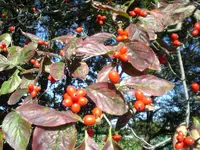
Its bright red fruits are an important late-season food source for birds such as thrushes and cardinals, which disperse the seeds after the fleshy outer layer passes through their digestive systems.

Anthracnose sensitivity

This species is notably susceptible to dogwood anthracnose, a fungal disease caused by Discula destructiva, which has significantly reduced wild populations in parts of eastern North America.

Botan icon

Did you know?

Flowering dogwood is the official state tree or state flower in multiple U.S. states, including Virginia and North Carolina, reflecting its long-standing cultural importance in eastern North American landscapes.

FAQs about flowering dogwood

Poor flowering often comes from too much shade, drought stress, or heavy pruning of young branches. Ensure good light exposure, consistent moisture, and minimal pruning of flower-bud wood formed the previous summer to support reliable spring display.

Grow Healthy Plants with Botan Care

Keep your plants happy and healthy with plant identification, disease detection, and easy care guidance.

Botan plant care app — identify plants on mobile

Explore More Plants