

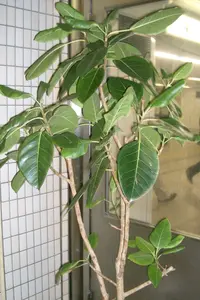
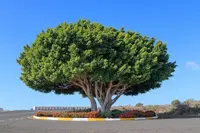
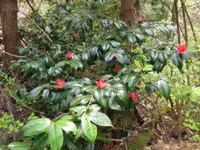
flowering dogwood (Cornus florida) Light Needs

flowering dogwood grows best in partial shade with bright filtered light and gentle morning sun.

Light Preference

Partial Shade

Cornus florida Light Requirements

In its native range across eastern North America, flowering dogwood grows as a small understory or woodland-edge tree. It receives dappled light through taller canopies, brighter sun at forest margins, and more seasonal sunlight before surrounding trees leaf out in spring.

This pattern explains why cultivated trees handle sun but usually perform best with protection from hot afternoon exposure. Preferred light is partial shade with morning sun or filtered light.

  • Ideal exposure:

    Cornus florida needs about 6–8 hours of filtered or partial sun daily, including about 2–4 hours of gentle direct morning sun.

  • Full sun tolerance:

    Mature trees can tolerate full sun in cooler or well-protected sites, but harsh afternoon sun raises scorch risk.

  • Lower light:

    Open shade is tolerated, but deep shade usually reduces flowering and makes growth thinner.

  • Afternoon protection:

    Morning sun is safer than western exposure, especially for young trees or hot inland gardens.

Excess light usually shows first on exposed leaves during hot weather.

Bleached patches:

Pale tan areas may appear on leaves facing the strongest afternoon sun, especially after sudden exposure.

Scorched margins:

Dry, browned edges can develop on the upper or outer canopy where heat and direct sun are most intense.

Midday flagging:

Leaves may curl or droop in strong sun, then partly recover when evening temperatures fall.

Early color shift:

Stress can bring reddish fall color earlier than nearby shaded growth, though other stresses can look similar.

Reduce afternoon exposure with temporary shade cloth or nearby structural shade. If the site is consistently too exposed, plan any relocation during dormancy rather than in active summer heat.

Low light is most noticeable during the growing season.

  • Reduced bloom:

    Fewer flower buds form when the canopy receives too little direct or filtered light.

  • Thin growth:

    New shoots may stretch toward brighter areas, leaving wider spacing between leaves.

  • Sparse canopy:

    Interior branches can look open and weak instead of filling out evenly.

  • Small new leaves:

    New leaves may stay smaller when shade limits energy production through the season.

Increase exposure by pruning only nearby shading obstacles where appropriate or choosing a brighter partial-shade site. Avoid moving a shaded tree directly into all-day sun without acclimation.

Choose a site with morning sun and light afternoon shade when the ideal exposure is not available. Select bright filtered light over dense shade if flowering is the main goal.

In a hot, open site, add temporary shade cloth for young trees during the strongest afternoon hours. Remove or thin nearby obstructions only when it will not expose the canopy suddenly.

Dense all-day shade is unsuitable because it limits bloom and creates thin growth.

Get Personalized Care Plan

Scan your plant to receive care tips personalized for your specific plant

FAQ

This species does best with about 6–8 hours of filtered or partial sun daily, including 2–4 hours of gentle morning direct sun where possible.

More Plant Light Guides

Get the Botan App

Discover how to care for your plants with Botan.

Botan app identifying a plant with a phone camera
Dill Companion Plants – What to Grow Next to Dill

9 min read · 17 Jul 2026

Dill Companion Plants – What to Grow Next to Dill

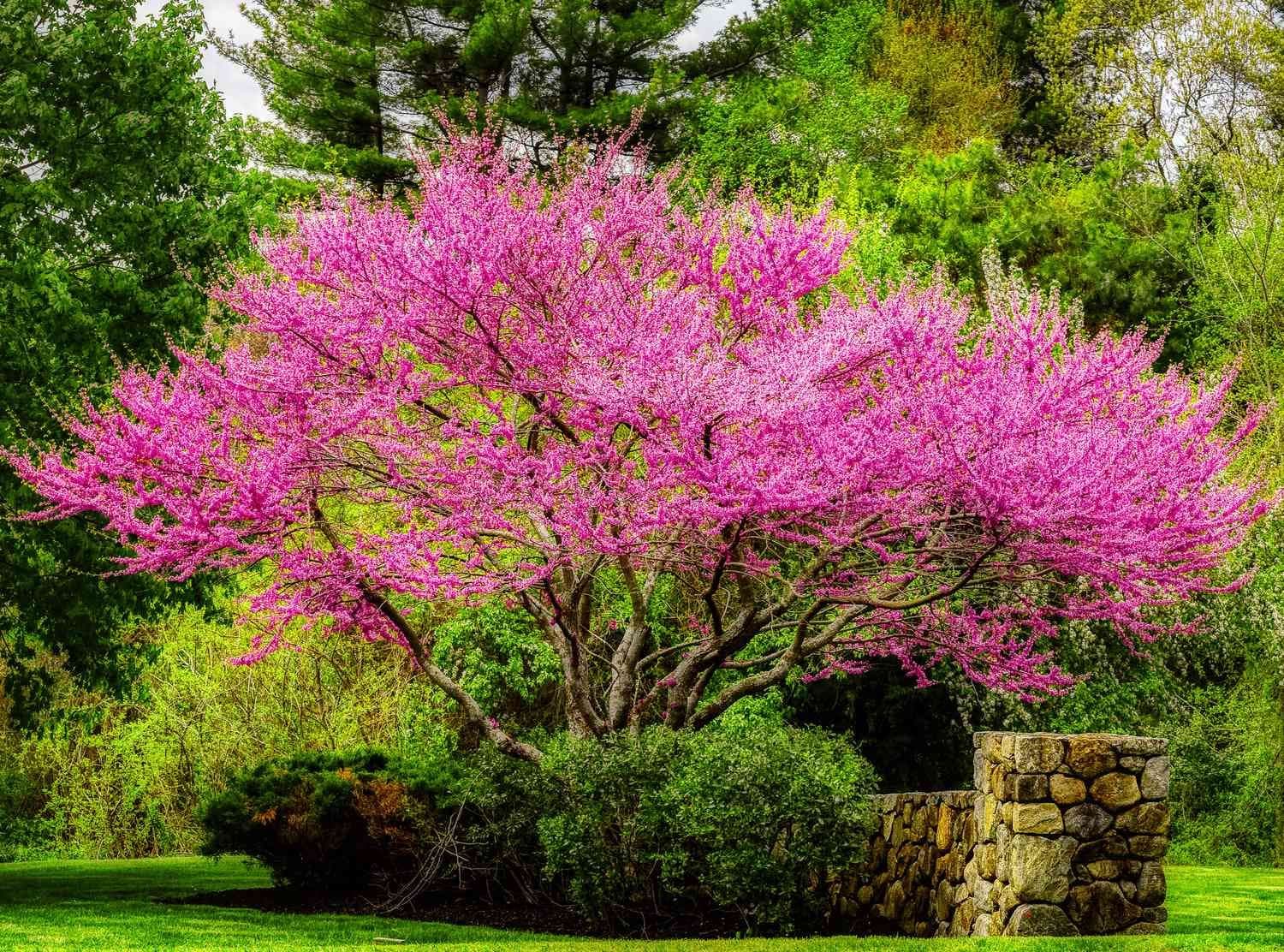
Dill is an easy-to-grow plant that gets along well with many vegetables. This guide describes 15 plants that can be planted alongside it, a few to avoid, and mistakes that can quietly sabotage the entire process.

Plant Recommendations
Dill Companion Plants – What to Grow Next to Dill
Top 15 Fast-Growing Trees For Your Garden

13 min read · 28 Jul 2026

Top 15 Fast-Growing Trees For Your Garden

Learn which of the 15 fastest-growing trees will suit your area. We’ll share detailed information on each: growth rate, mature spread, key tree demands, and main vulnerabilities. Read on and make the best choice possible.

Plant Recommendations
Top 15 Fast-Growing Trees For Your Garden
How to Tell if a Plant Is Dead

6 min read · 19 Aug 2026

How to Tell if a Plant Is Dead

A plant can lose its leaves, stop growing, or collapse and still remain alive. A closer look at the stems, roots, bulbs, and tubers can show whether the plant still has a chance to recover.

Beginner Guides
How to Tell if a Plant Is Dead