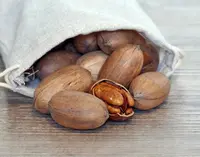




pecan (Carya illinoinensis) Light Needs

pecan grows best outdoors in full sun, with at least 6 hours of direct light daily.

Light Preference

Full Sun

Carya illinoinensis Light Requirements

Carya illinoinensis is native to warm temperate river valleys and floodplains of the south-central United States into northern Mexico. In those habitats, young trees may begin with some side shade, but mature trees rise into open canopy positions with long seasonal sun exposure. Cultivated trees grow strongest where light is open and unobstructed. Preferred light is full sun for most of the day.

  • Ideal exposure:

    Carya illinoinensis needs about 8–10 hours of outdoor light daily, including 6–8 hours of direct full sun.

  • Direct sun:

    Established trees tolerate all-day sun in open sites, including strong afternoon exposure.

  • Partial sun:

    Partial sun is tolerated, especially for young trees, but fewer than 6 hours of direct sun can limit vigor and nut production.

  • Shade risk:

    Shade is not suitable for long-term growth because it encourages a thin canopy and weak branching.

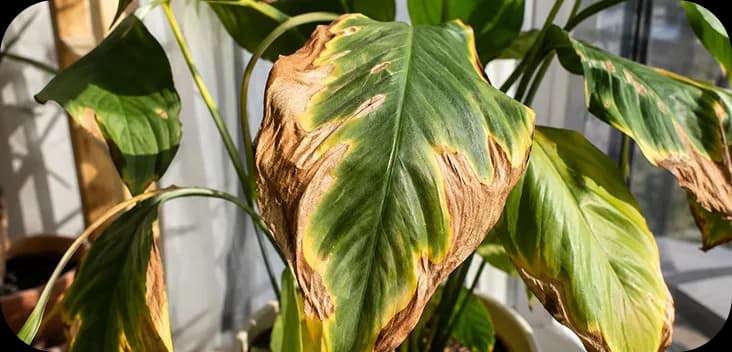
Full sun is normal, but sudden intense exposure can stress tender or shaded growth.

Pale leaf patches:

Leaves exposed after shade may develop bleached tan areas on the sun-facing side.

Exposed scorch:

Outer leaves can show dry-looking scorch after extreme afternoon heat and reflected sun.

Young bark sunscald:

Newly planted trunks may show pale, cracked, or sunken patches on the southwest side.

One-sided damage:

Sun stress usually appears on the most exposed side rather than deep inside the canopy.

Reduce reflected heat, protect young trunks, or give temporary afternoon shade while new growth hardens. Keep the tree in open light once acclimated.

Too little light usually shows as weak structure and reduced performance during the growing season.

  • Leaning growth:

    Young stems may lean toward the brightest opening rather than growing evenly upright.

  • Long internodes:

    New shoots can stretch, leaving wider spaces between leaves and a looser canopy.

  • Small new leaves:

    Leaves produced in weak light may be smaller and less robust than leaves formed in open sun.

  • Poor production:

    Mature trees in shade may flower less and set fewer nuts than trees receiving full sun.

Move a young tree to a more open site if possible, or reduce nearby shade that blocks direct sun. A mature tree usually needs long-term site correction rather than temporary light changes.

If full-day sun is not available, choose the brightest outdoor site that still gives 6+ hours of direct sun, with morning and midday exposure preferred.

For a young container tree, turn the pot every few weeks so the trunk and canopy develop evenly.

A shaded porch, courtyard, or north side of a building is unsuitable because it cannot meet Carya illinoinensis light needs.

Get Personalized Care Plan

Scan your plant to receive care tips personalized for your specific plant

FAQ

The best light for pecan is full sun outdoors. Aim for an open site with 6–8+ hours of direct sun during the growing season.

More Plant Light Guides

Get the Botan App

Discover how to care for your plants with Botan.

Botan app identifying a plant with a phone camera
Dill Companion Plants – What to Grow Next to Dill

9 min read · 17 Jul 2026

Dill Companion Plants – What to Grow Next to Dill

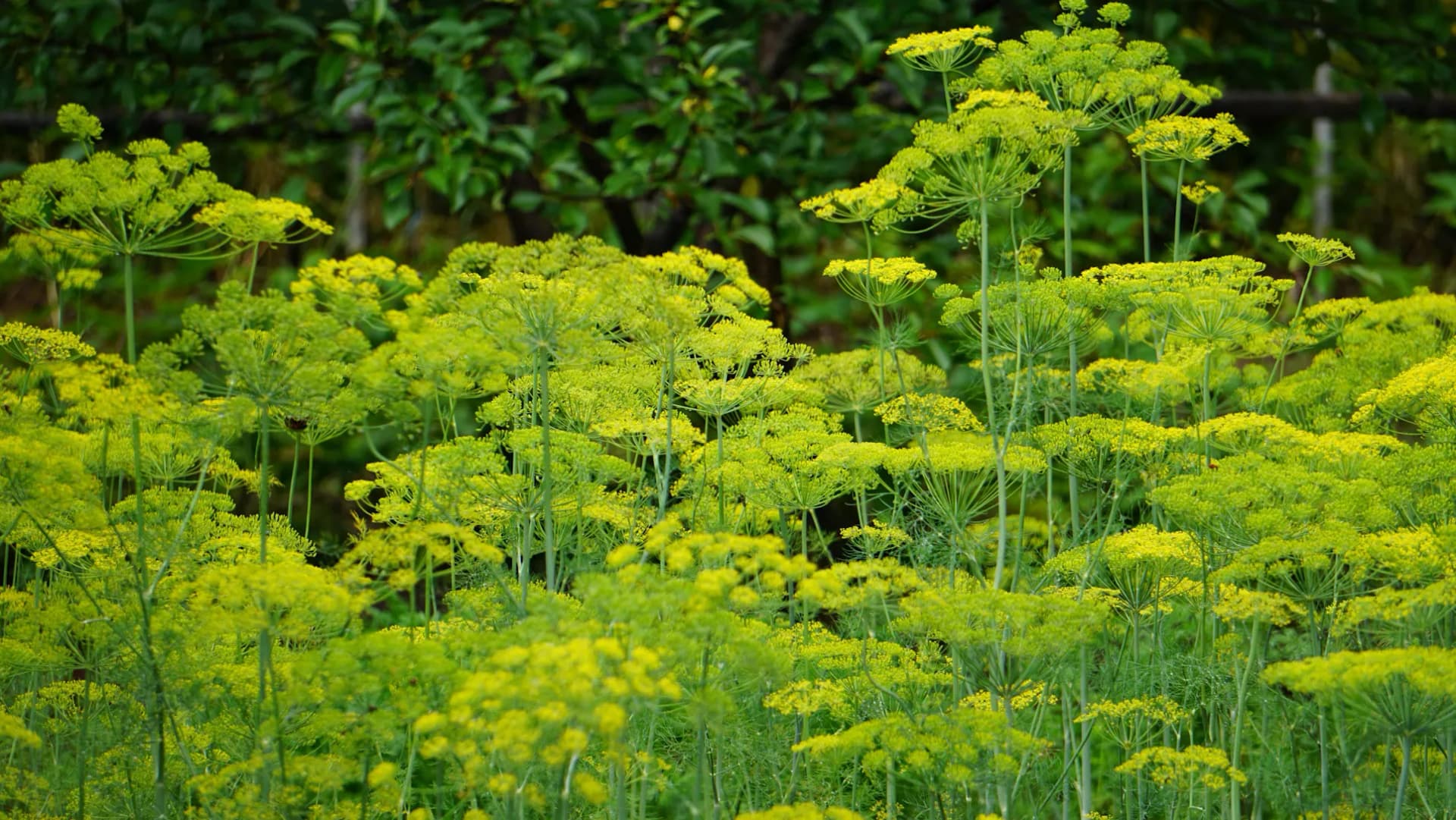
Dill is an easy-to-grow plant that gets along well with many vegetables. This guide describes 15 plants that can be planted alongside it, a few to avoid, and mistakes that can quietly sabotage the entire process.

Plant Recommendations

Dill Companion Plants – What to Grow Next to Dill
12 Best Landscaping Trees for Your Garden

8 min read · 6 Oct 2026

12 Best Landscaping Trees for Your Garden

Choosing the landscape tree depends on what your garden needs most. These 12 options include compact flowering specimens, colorful deciduous trees, shade varieties, and evergreens suitable for screening and year-round structure.

Plant Recommendations
12 Best Landscaping Trees for Your Garden
When to Harvest Tomatillos: How to Tell When They're Ripe

4 min read · 20 Oct 2026

When to Harvest Tomatillos: How to Tell When They're Ripe

Tomatillos grow inside papery husks, making it hard to judge ripeness at a glance. This guide explains how to know when tomatillos are ripe and offers practical advice on harvesting and storage.

Plant Recommendations
When to Harvest Tomatillos: How to Tell When They're Ripe