


apricot (Prunus armeniaca) Light Needs

Apricot grows best in full sun with long, direct exposure through most of the growing season.

Light Preference

Full Sun

Prunus armeniaca Light Requirements

In its native range, apricot grows in open, dry, temperate landscapes where trees receive strong seasonal sun and clear air movement. It is not adapted to deep shade or the dim understory conditions found beneath dense tree cover. Cultivated trees keep the same pattern: strong light supports sturdy shoots, flower bud formation, and fruit ripening outdoors. Preferred light is full sun.

  • Ideal exposure:

    Ideal exposure: apricot needs about 6–8 hours of full sun daily, including at least 6 hours of direct sunlight when available.

  • Direct sun:

    Established trees tolerate all-day sun in open outdoor sites, especially when light exposure increases gradually.

  • Low-light limits:

    Less than 6 hours of direct sun can reduce flowering, weaken shoot growth, and limit fruit ripening.

  • Afternoon sun:

    Hot afternoon sun is generally suitable, but young or recently moved trees may need brief acclimation.

Excess light problems are most likely after sudden exposure, extreme heat, or strong reflected sun.

Leaf scorch:

Dry tan patches may appear on the sun-facing side of leaves, especially after a shaded tree is moved into open sun.

Bleached leaf areas:

Exposed leaves can look pale or washed out where intense sun has damaged surface tissue.

Fruit sunburn:

Developing fruit may show firm, pale, or browned patches on the most exposed side during hot spells.

Young bark injury:

Thin bark on young growth can develop sunken or discolored patches when intense sun follows a sudden change.

Give temporary afternoon shade during heat waves or move a container-grown tree out of reflected heat. Increase sun exposure gradually over 1–2 weeks.

Too little light usually shows as weak growth and poor flowering during the active season.

  • Long shoots:

    New stems may stretch farther between leaves as the tree reaches toward stronger light.

  • Leaning growth:

    The canopy may grow noticeably toward the brightest side instead of staying evenly balanced.

  • Few blossoms:

    Flower bud formation can decline when the previous growing season did not provide enough full sun.

  • Poor fruiting:

    Fruit set may be sparse, and fruit that does form may ripen unevenly in shade.

  • Small new leaves:

    New leaves may stay smaller than expected when light is limited for several weeks.

Move the plant to the sunniest available outdoor location, aiming for at least 6 hours of direct sun. Avoid relying on shade as a long-term site.

Choose the sunniest outdoor site available, even if it provides only 6 hours of direct sun. Favor morning-to-midafternoon exposure over a spot shaded during the middle of the day.

Remove or reposition items that cast shade across the canopy during peak light hours. Rotate container-grown trees occasionally so all sides receive more even sun.

A shaded patio or covered entry is unsuitable because it blocks the direct sun needed for flowering and fruit ripening.

Get Personalized Care Plan

Scan your plant to receive care tips personalized for your specific plant

FAQ

This species needs about 6–8 hours of light per day, with at least 6 hours of direct sun during the growing season.

More Plant Light Guides

Get the Botan App

Discover how to care for your plants with Botan.

Botan app identifying a plant with a phone camera
How to Clean Plant Leaves: A Simple Care Guide

6 min read · 4 Aug 2026

How to Clean Plant Leaves: A Simple Care Guide

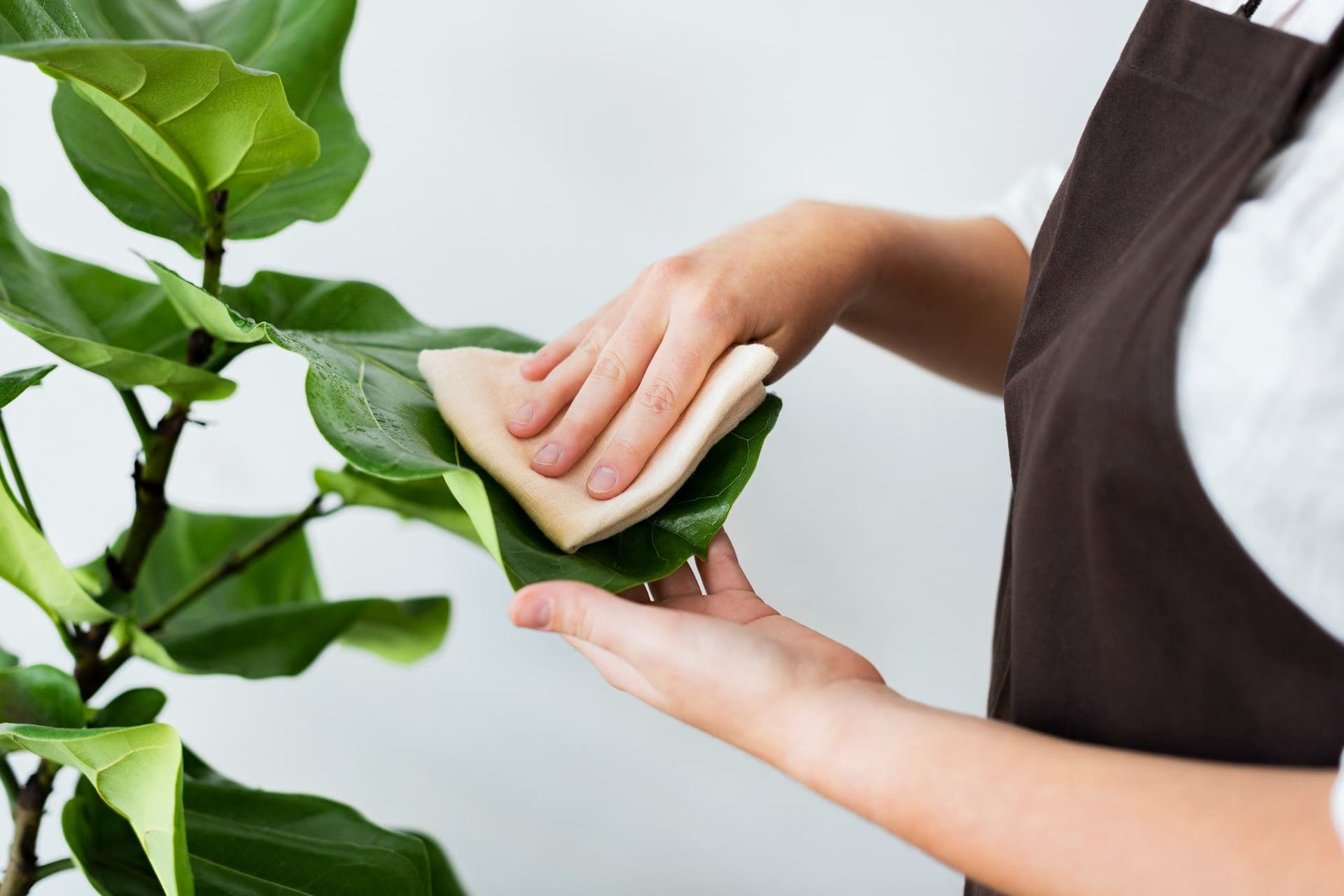
Dusty leaves look dull and don't absorb light well. Below, you'll find simple ways to clean them, which tools are truly effective, how often you should do it, and what causes damage.

Beginner Guides
How to Clean Plant Leaves: A Simple Care Guide
Best Fertilizer for Grass in Summer: How to Choose the Right One

6 min read · 18 Aug 2026

Best Fertilizer for Grass in Summer: How to Choose the Right One

The right fertilizer in summer can make a lawn thrive. The wrong one can damage it. Here, you’ll learn the best NPK ratios by grass type, when and how to apply your formula, and how to recognize the signs of over- or under-fertilizing.

Plant Care
Best Fertilizer for Grass in Summer: How to Choose the Right One
How to Use a Moisture Meter for Plants

5 min read · 4 Sept 2026

How to Use a Moisture Meter for Plants

Watering by feel kills plenty of houseplants. A moisture meter checks the soil for you, and takes the guesswork out of it. This guide will show you how to use it correctly, from the first touch to the final reading.

Beginner Guides
How to Use a Moisture Meter for Plants