How to Clean Plant Leaves: A Simple Care Guide
Dusty leaves look dull and don't absorb light well. Below, you'll find simple ways to clean them, which tools are truly effective, how often you should do it, and what causes damage.

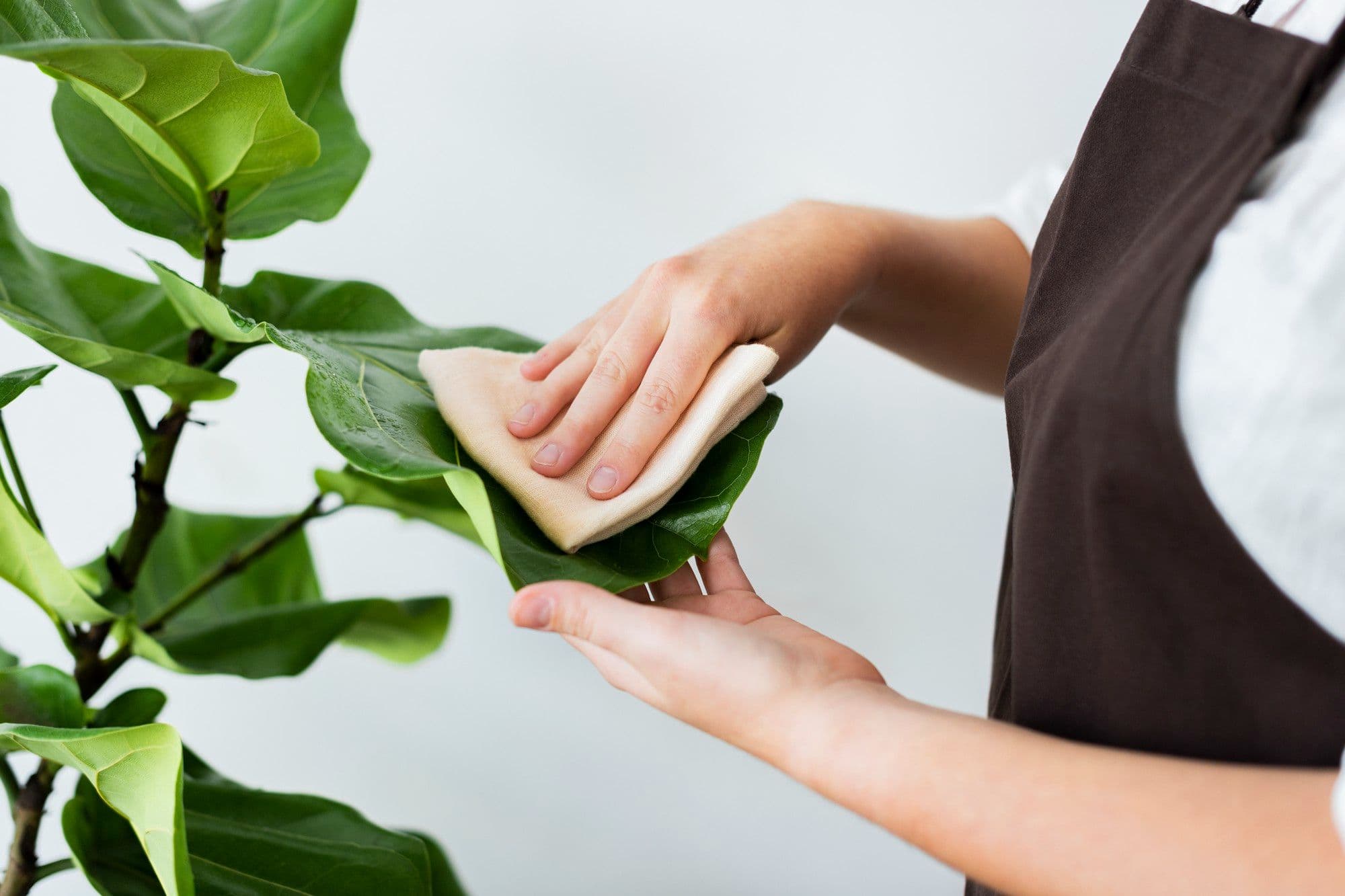
Understanding how to clean plant leaves is one simple way to improve plant health. Dust accumulates on foliage and blocks light. So how do you remove it without damaging the leaf? For most plants, a damp cloth and plain water are sufficient. Keep reading for more details on cleaning your plant's leaves.
Best Ways to Clean Houseplant Leaves
There's no one-size-fits-all method for all plants. Honestly, the best way to clean houseplant leaves depends on the size of the plant and its type. A large and glossy leaf requires a different approach than a small and fuzzy one. Use the table below to find the right method for you.
Method | Best for | How to do it |
Damp cloth | Smooth and broad leaves | Wipe each leaf top and bottom with a soft and wet cloth. Support it with your free hand. |
Shower or rinse | Sturdy plants with lots of leaves | Place the plant in a saucer. Rinse the leaves carefully with warm water and allow them to dry. |
Soft brush or feather duster | Fuzzy or textured leaves | Brush off any dust with dry gentle strokes. Don’t use water here. |
Soap and water | Grimy leaves or light pest issues | Add one drop of mild soap to the water. Apply and then rinse off any residue. |
Choose the one that's right for your plant, as a clean leaf absorbs light better than a dirty one.
Identify Your Plant’s Problem
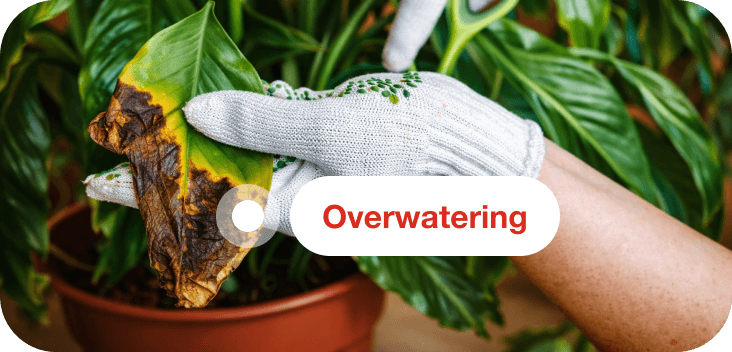
Scan with Botan for an instant diagnosis — 98%+ accuracy
What to Clean Plant Leaves With
Most people overthink what to clean plant leaves with. Tools are almost as important as technique. Usually, the simplest materials found in your kitchen are enough. Let's look at the most common cleaning methods.
.jpg%3F2026-08-06T10%253A45%253A42.193Z&w=2880&q=75)
Plain Water
Using plain water is the safest method. It doesn't clog the pores of the leaf. It also doesn't leave a residue. Room-temperature water is much better than cold water you get straight from the tap. Cold water can shock tropical plants and cause spots when they dry out.
For a fiddle-leaf fig, a light rinse in the shower will remove dust that has accumulated over several weeks. Allow the plant to dry before bringing it back into bright light.
A Soft Cloth
A soft cloth is suitable for most smooth and flat leaves. Microfiber works best because it traps dust instead of smearing it. Lightly dampen it, then wipe each leaf from base to tip — this is the standard method for cleaning smooth and non-hairy leaves.
Hold the leaf underneath with your other hand to prevent tearing. This method is suitable for thick and waxy leaves, like those of the Ficus elastica — it will restore their shine well. Old cotton T-shirts also work well in a pinch.
A Soft Brush or Duster
Some leaves don't like getting wet. A soft brush or makeup brush removes dust from fuzzy foliage without soaking it. Dry brushes are great for hard-to-reach areas between small leaves.
A feather brush is good for a quick weekly clean of tall plants. Clean carefully in one direction to avoid damaging the surface.
A Mild Soap Mixture
For removing sticky dirt or minor insect problems, you can use a mild soapy solution. Add a few drops of dish soap to a liter of water. Apply the mixture with a cloth, then rinse the leaf with clean water.
Avoid harsh detergents and never leave soap on the surface — residue can burn the leaf and even block it from breathing.
A Spray Bottle
In order to remove dust before wiping, spray your plant. A gentle spray softens the surface and allows the cloth to glide rather than drag. This method is also suitable for plants that you can't take to the sink.
Spray the solution evenly and avoid over-soaking. Wipe immediately afterward to prevent water from pooling at the top of the plant.
Whatever you use, the gentler the better. Your plant will forgive a slow, gentle wipe much more quickly than harsh scrubbing.

How to Clean Fuzzy or Delicate Leaves
Not every leaf can be wiped with a damp cloth. Fuzzy leaves trap water in their fine hairs, which leads to spots and rot. Thin leaves tear if you press too hard. When trying to figure out how to clean houseplant leaves like these, dry tools are your best friends.
Try the following methods:
- Use a dry and soft brush. A clean makeup brush or a small paintbrush will sweep dust off fuzzy leaves without wetting them. A cross begonia demonstrates why this is important, as its velvety hairs trap dirt, which a cloth would only spread.
- Support from below. Place one hand under the leaf and wipe it with the other hand from above. For example, the wide papery leaves of Strelitzia reginae split quite easily, so using your hand underneath takes the strain off the leaf.
- Blow off the dust. A gentle stream of air or a cool blow dryer will remove loose dust from dense hairy areas. This eliminates contact entirely, which makes it ideal for plants that can be easily damaged by touch.
- Keep water away from textured leaves. Spraying and soaking leave droplets trapped deep in the fuzz. These trapped droplets eventually turn into brown spots.
The most important thing for these plants is to keep them dry. Clean them slowly to avoid damaging the down and breaking delicate parts.

How Often Should You Clean Plant Leaves?
In most homes, wiping the leaves every 2-4 weeks is enough to keep them in good condition. In dustier rooms, you should do it more frequently. Large smooth leaves accumulate dirt quickly, so check them weekly.
It's a good idea to clean plant leaves as soon as they begin to look dull. You can also do this when preparing the plant for spring, because a layer of dust slows photosynthesis and weakens the plant.
If necessary, a phone app like Botan will help you identify houseplants and flag possible problems before they become widespread. Do this regularly, and minor diseases will not have time to develop into serious ones.
5 Mistakes to Avoid When Cleaning Houseplant Leaves
A cleaning procedure seems simple, but small habits can harm your plants without you even realizing it. Here are the most common mistakes people make when cleaning indoor plant leaves:
- Using sprays to add shine. These clog the pores and ultimately attract more dust than they remove. Plain water doesn't do this.
- Cleaning while the plant is in direct sunlight. Water droplets act like tiny lenses and can burn the leaves. First, move the plant to a shady spot.
- Using cold water directly from the tap. This shocks the roots of tropical plants and causes pale spots. Allow the water to warm up to room temperature.
- Scrubbing or pressing too hard. A rough hand can crack the stems and damage the soft tissues. Hold each leaf and wipe gently.
- Forgetting the undersides. This is where dust accumulates, and pests usually appear first. Turn over each leaf and inspect it.
Avoid these mistakes, and all will be well. Nothing here takes more than a few minutes.
FAQ
Wipe them with a damp cloth and plain, room-temperature water. This removes dust from most plants without the use of any additional products.
Dariia Plaksina
Botanist
5 years of botanical research experience
Dariia Plaksina is a biologist, botanist, and writer of informational articles with over 5 years of experience exploring the world of plants, nature, and biology. She studied at Taras Shevchenko National University of Kyiv, Educational and Scientific Center “Institute of Biology and Medicine,” where she built a strong scientific foundation for her future work.
For Dariia, writing is a hobby, a calling, and a way to make reliable knowledge easier to understand. Her articles focus on plant care, plant health, and natural processes, helping readers learn more about the living world through clear, accessible, and science-based explanations.
Related Articles
.jpg&w=2880&q=75)
8 min read · 10 Sept 2026
10 Easy Garden Flowers to Grow
Discover 10 garden flowers that require minimal care. Learn which characteristics make plants easy to grow and follow tips on how to create a beautiful corner from beginner-friendly blooms on your property.
5 min read · 4 Sept 2026
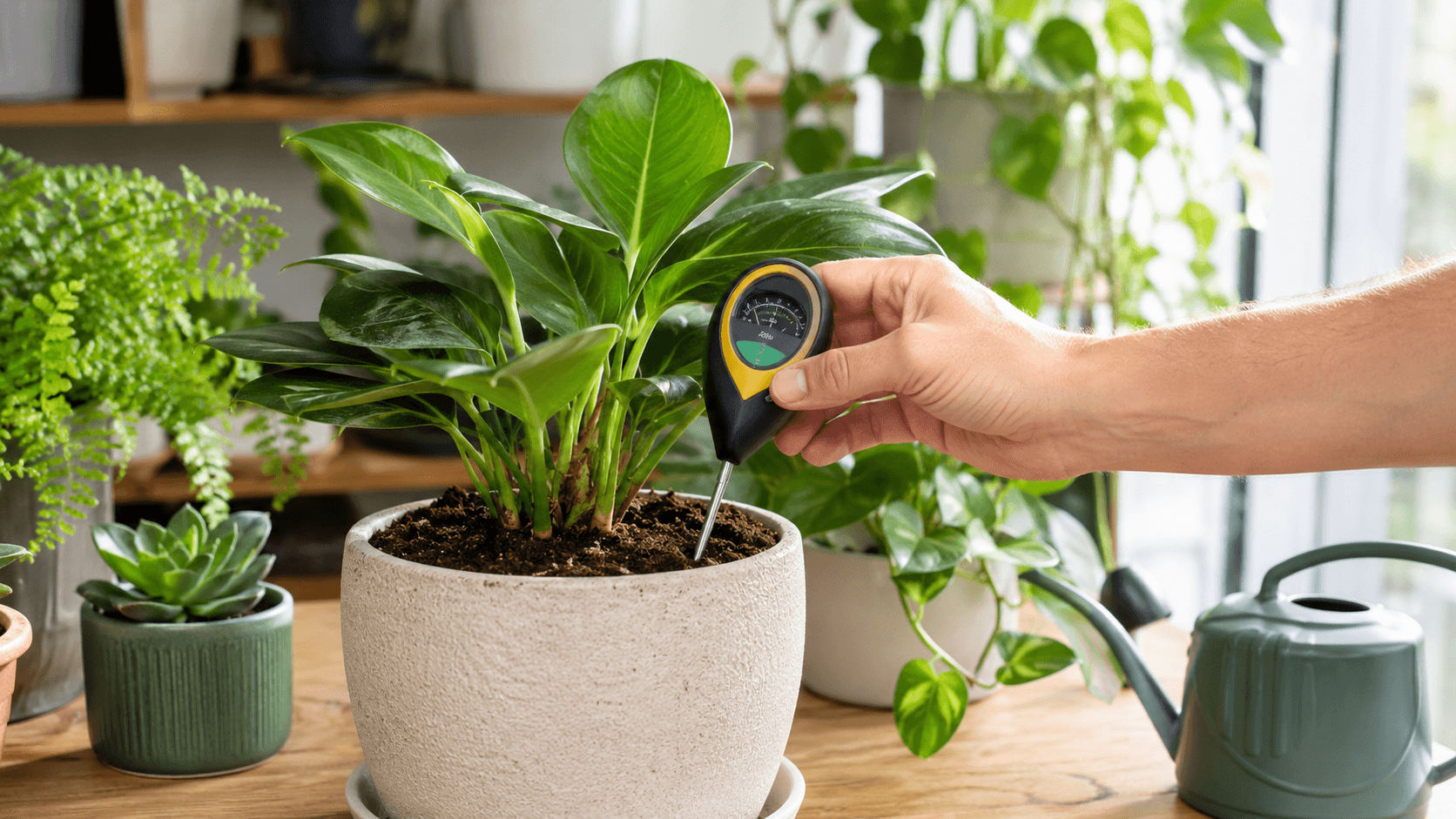
How to Use a Moisture Meter for Plants
Watering by feel kills plenty of houseplants. A moisture meter checks the soil for you, and takes the guesswork out of it. This guide will show you how to use it correctly, from the first touch to the final reading.
7 min read · 20 Aug 2026
Plant Pot Sizes: How to Choose the Right Plant Container
Plant pot sizes can be confusing because the number on the label only tells you part of the required information. A container may look spacious but actually be too shallow. So, how to choose pot size for plant species?
Explore Plants by Care Needs
 POPULAR
Needle Stonecrop
Sedum lineare
 POPULAR
Woodland sage
Salvia nemorosa
 POPULAR
Raindrop Peperomia
Peperomia polybotrya
-1-200x150.webp) POPULAR
POPULARHydrocotyle Japan
Hydrocotyle tripartita
 POPULAR
Snake plant
Dracaena trifasciata
 POPULAR
Cylindrical snake plant
Dracaena angolensis
 POPULAR
Iron Cross Begonia
Begonia masoniana
 POPULAR
Gerbera daisy
Gerbera jamesonii
Identify the plant and problem. Help your plant recover
Identify plant problems early, understand what's wrong, and get clear care guidance. Botan helps you turn guesswork into confident plant care