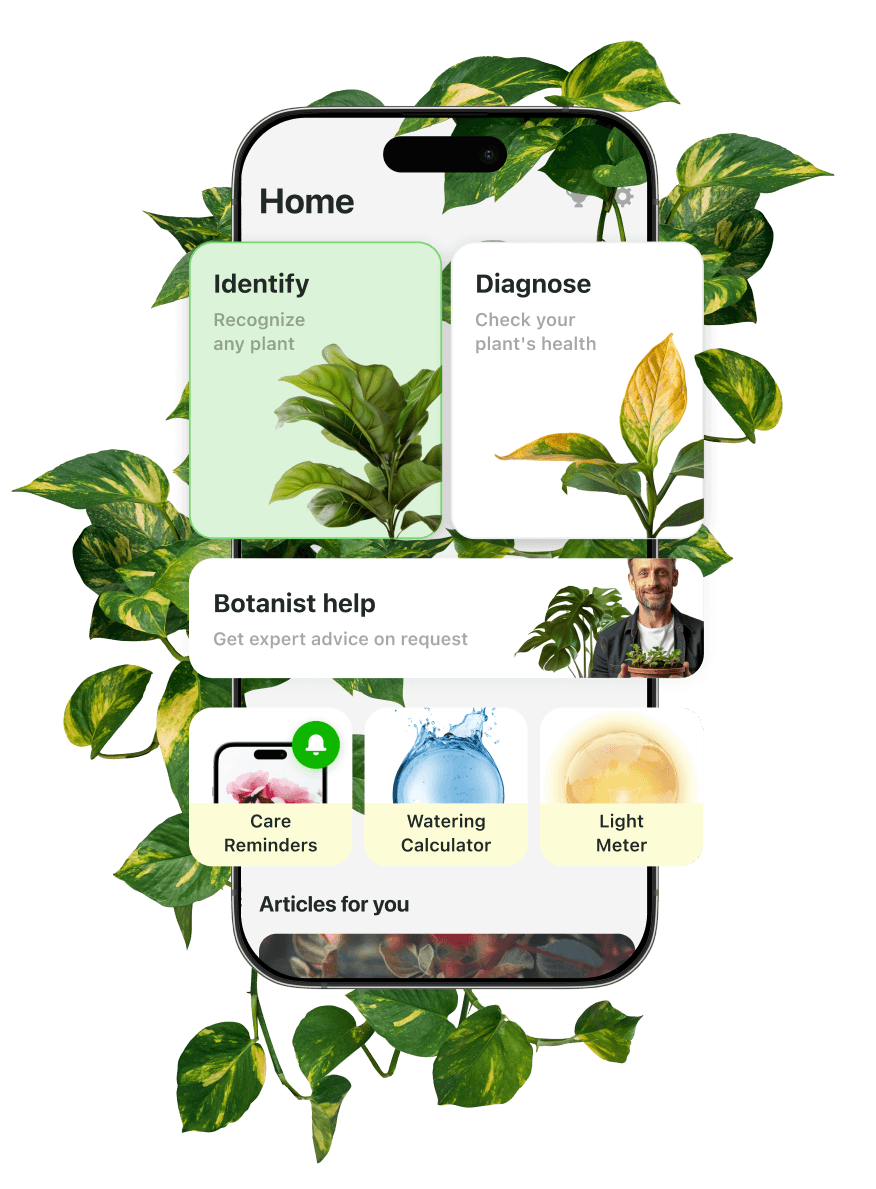
How to Mulch in the Fall and When to Wait Until Spring
In the fall, mulch gives the roots of trees and shrubs insulation and more stable conditions through winter. In the spring, it mainly suppresses weeds and keeps moisture in the soil during the growing season.

On this page
- Should You Mulch in the Fall?
- Benefits of Fall Mulching
- Extra Protection for Trees
- Moisture Retention and Erosion Control
- When to Mulch Perennials and Fall-Planted Bulbs
- Mulching Vegetable Garden Beds Before Winter
- Clear Diseased Debris First
- Use Organic Mulch to Feed the Soil
- Treat Fall-Planted Garlic Like a Bulb
- When to Mulch Vegetable Garden Beds: Fall and Spring Timing
- Spring Mulching: What Waiting Until Spring Offers
- Other Garden Jobs to Do Before Winter
There is no need to choose one season over the other. The real questions are what to mulch, when to do it, and how much to spread.
This guide covers trees, shrubs, perennials, fall-planted bulbs, and vegetable beds, plus the other garden jobs worth finishing before the ground freezes.
Should You Mulch in the Fall?
Each season solves a different problem. It pays to mulch in the fall for winter root protection. Spring mulch works for the growing season ahead.
The table shows what each season is for:
What is mulched | Season | Main purpose | Best timing |
Trees and shrubs | Fall | Root insulation and more stable winter conditions; protection from sudden temperature swings | Fall, a bit earlier than perennials and bulbs |
Young and newly planted trees | Fall | Extra protection for root systems that are not yet fully developed | Together with other trees and shrubs |
Perennials and fall-planted flower bulbs | Fall | Winter cover that does not keep plants growing when they need dormancy | After the first frosts, once the ground has cooled (usually late October or November) |
Garden beds | Spring | Weed suppression, moisture retention, less water evaporation | Start of the growing season |
Your Personalized Care Plan
Get personalized plant care recommendations in the app
Benefits of Fall Mulching
Fall mulching is necessary to provide the roots of trees and shrubs with some insulation and more stable conditions during the winter. A layer acts as a buffer between the roots and the weather above them.
Extra Protection for Trees
This is especially beneficial for young and newly planted trees, whose root systems are not yet fully developed, making them more vulnerable.
The same applies to shrubs set out in autumn, such as hydrangeas planted in the fall, which go into winter with only one season of root growth behind them.
Moisture Retention and Erosion Control
Mulching also helps retain moisture in the soil and protect it from wind erosion. Bare soil left exposed through winter dries out and loses its top layer more easily than soil under a cover.

When to Mulch Perennials and Fall-Planted Bulbs
It’s best to mulch perennials and flower bulbs planted in the fall a bit later than trees and shrubs. Do this when the first frosts begin and the ground has cooled, in October or November.
If bulbs are mulched too early, the mulch will help retain heat and create conditions for continued growth under it, even though the plant needs to enter dormancy. This can make new growth more vulnerable to frosts.

Mulching Vegetable Garden Beds Before Winter
Once the last crops are harvested, vegetable beds often sit bare until spring. Mulching vegetable garden beds at this point uses the same benefits that protect trees and shrubs: the soil keeps its moisture and is protected from wind erosion.
Clear Diseased Debris First
Before mulch goes down, it’s best to remove plant debris that is clearly diseased so as not to leave a potential source of infection. Healthy plant material does not need the same treatment.
Use Organic Mulch to Feed the Soil
Good-quality organic mulch gradually enriches the soil with nutrients as it decomposes. Shredded healthy leaves, straw, or compost spread over empty beds in autumn start breaking down over winter, which supports healthy garden soil for next season’s crops.
Treat Fall-Planted Garlic Like a Bulb
Garlic cloves planted in autumn follow the same logic as fall-planted flower bulbs. Mulch them after the first frosts, once the ground has cooled. The cover protects them through winter without encouraging growth that cold weather can damage.
Prepare Your Garden for Winter
Know helpful life hacks and tips
When to Mulch Vegetable Garden Beds: Fall and Spring Timing
Vegetable beds can be mulched twice a year, and each pass has its own timing:
- Fall, after harvest: cover empty beds to hold moisture and prevent wind erosion over winter.
- Fall, after the first frosts: mulch overwintering crops once the ground has cooled.
- Spring, at the start of the growing season: mulch to suppress weeds and reduce water evaporation.
Heat-loving crops such as tomatoes and peppers are usually mulched once the soil has warmed, since this layer slows soil warming.
Spring Mulching: What Waiting Until Spring Offers
Spring mulching is most often used to suppress weed growth, retain moisture in the soil, and reduce water evaporation during the growing season.
It is the better choice for beds where weeds and summer dryness are the main concern, rather than winter cold.
In most cases, a layer about 2–4 inches (5–10 cm) thick is sufficient. A layer that is too thick offers no additional benefit and can impair air access to the roots.

Other Garden Jobs to Do Before Winter
Mulch is only part of getting a garden ready for the cold. Two more jobs make a real difference.
- Make sure plants (especially young ones) have had enough water. Dry soil freezes to a greater depth, and plants that aren’t sufficiently watered may suffer more during the winter. If there is frequent rain in the fall, additional watering is usually not necessary.
- Leave healthy fallen leaves on the flower beds, or shred them and use them as natural mulch. However, it’s best to remove plant debris that is clearly diseased so as not to leave a potential source of infection.
FAQ
Straw, shredded leaves, and compost work well on vegetable beds because they break down quickly and are easy to work into the soil in spring. Choose straw rather than hay, which often carries weed seeds. Wood chips are better kept for paths and for beds around trees and shrubs, since they decompose slowly.
Found this helpful?
Add Botan as a preferred source on Google.
Anastasiia Vasylchyshyna
Botanist
5+ of botanical experience
A biologist by training and a botanist by calling, Anastasiia turns scientific knowledge into practical advice anyone can use to keep their plants healthy and thriving.
Related Articles
7 min read · 4 Nov 2026
How to Plant Pumpkin Seeds for a Fall Harvest and Grow Your Own Patch
A backyard pumpkin patch starts months before the first leaves turn: the harvest that ends up on the porch in October is decided by what a gardener does in late spring.
6 min read · 30 Oct 2026
When to Plant Hydrangeas: Best Time by Season and Type
Hydrangeas grow best when you plant them in cool weather. This guide explains when to plant hydrangeas in your area, compares fall and spring planting seasons, and shows the right steps for each type.
8 min read · 10 Sept 2026
10 Easy Garden Flowers to Grow
Discover 10 garden flowers that require minimal care. Learn which characteristics make plants easy to grow and follow tips on how to create a beautiful corner from beginner-friendly blooms on your property.
More Plants for Your Garden

Identify the plant and problem. Help your plant recover
Identify plant problems early, understand what's wrong, and get clear care guidance. Botan helps you turn guesswork into confident plant care