batatala Care (Dioscorea maciba)

About batatala

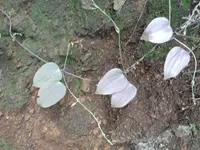
Batatala, Dioscorea maciba, is a vining yam species grown mainly for its starchy underground tubers. It has twining stems and simple, typically heart-shaped leaves that climb on supports. In cultivation it is usually treated as a long-season root crop rather than a decorative houseplant.

This species is associated with tropical to subtropical regions, where it grows in warm, frost-free conditions. It prefers loose, well-drained, slightly fertile soil and consistent but not waterlogged moisture.

Growers who care for batatala find that the plant is moderately demanding, mainly because it needs warmth, space for its vines, and time for the tubers to develop fully before harvest.

Main Plant Requirements

Care Difficulty

Moderate Care

Light Preference

Partial Shade

Water Requirements

Moderate Water

Temperature Preference

Warm Climate

Hardiness Zone

Unknown

Soil Texture

Loamy, Sandy, Organic-rich

Soil pH

Acidic (5.5–6.5), Slightly acidic (6.5–7.0)

Soil Drainage

Well-drained

Fertilization

Minimal (feed rarely)

Get Personalized Care Plan

Scan your plant to receive care tips personalized for your specific plant

Available on iOS and Android

How to Care for the batatala

Dioscorea maciba prefers bright, indirect light with limited direct sun exposure for healthy vine and tuber growth.

  • Provide 4–6 hours of bright, filtered light daily; gentle morning sun is preferable to harsh afternoon sun, which can scorch leaves.
  • Plant in a position with light partial shade in hot climates; dappled shade under taller plants or a lattice works well outdoors for batatala.
  • In winter or cloudy seasons, choose the brightest available spot and avoid deep shade, which leads to weak, stretched vines and small tubers.

Dioscorea maciba prefers evenly moist but never waterlogged soil, with distinct wet and dry phases across its growing and resting seasons.

  • During active growth, water when the top 3–5 cm of soil feels dry, allowing excess to drain fully to protect the tuber from rot.
  • Use a loose, fast-draining soil; prolonged puddling or a sour smell indicates poor drainage and high risk of rotting roots and tuber.
  • In the dry or dormant season, reduce watering sharply, giving only light sips when the soil is almost fully dry and stems begin to look slightly shriveled.

This species favors warm, frost-free conditions and responds strongly to seasonal temperature shifts.

  • Aim for 70–85°F (21–29°C) during active growth; tubers sprout and vines extend best in this warm range.
  • Protect from cold below 50°F (10°C); sustained exposure near 40°F (4°C) can damage tissues and prolonged frost can kill the plant or tuber.
  • In hot spells above 90°F (32°C), provide light shade and consistent soil moisture, as extreme heat with dry soil can stall growth and scorch foliage.

Humidity is not a major factor for Dioscorea maciba, which adapts well to most household conditions when batatala is otherwise healthy.

Dioscorea maciba prefers loose, deep, well-drained soil that allows tubers to expand without waterlogging.

  • Use a sandy loam mix made from roughly 50% coarse sand, 30% compost, and 20% garden loam or potting mix.
  • Ensure the soil is slightly acidic to neutral, around pH 6.0–7.0, to support balanced nutrient uptake.
  • In heavier soils, incorporate coarse sand or fine gravel to improve aeration and speed drainage around tubers.
  • Avoid compacted clay or consistently wet sites, which promote rot and restrict tuber development.

This species can be grown in containers if given enough depth and fast-draining conditions.

  • Choose a tall, deep pot so the tuber can develop downward without becoming constricted near the base.
  • Select a heavier or wide-based container to prevent tipping if the vine becomes long or top-heavy on supports.
  • Use a fast-draining mix and elevate the pot slightly so excess water can exit freely and not pool under the base.

This yam-like tuber benefits from light, targeted feeding to support vine growth while avoiding excess salts around the caudex of batatala.

  • Use a balanced liquid fertilizer (such as 10-10-10) at 1/4–1/2 strength every 4–6 weeks during active spring–summer growth.
  • Apply on moist soil, never onto a bone-dry mix, to limit root and tuber burn.
  • Skip or greatly reduce feeding once foliage yellows and the plant enters dormancy in fall–winter.
  • In large outdoor plantings, incorporate a thin layer of mature compost once per year instead of frequent liquid feeding.

Dioscorea maciba needs only light pruning to keep vines manageable and healthy.

  • Trim back excessively long or tangled vines in late spring or early summer to control spread and support nearby plants.
  • Remove dead, yellowing, or damaged leaves and stems using clean, sharp scissors or hand pruners to limit disease.
  • Cut crowded shoots at their base to open the canopy and improve air flow around foliage.
  • Avoid heavy cuts on the caudex; focus on green vining growth rather than the storage organ.

Transplanting or repotting this caudiciform yam should be infrequent and carefully timed to avoid disturbing the tuber.

  • Look for roots circling the container, bulging soil, or slowed growth despite good care as signals it needs more space.
  • Plan repotting or transplanting at the start of spring, just before or as new shoots emerge from the dormant tuber.
  • Move to a pot or bed only 1–2 in wider, using a fast-draining, sandy mix to keep the tuber slightly raised and dry around the neck.
  • Handle the tuber gently, keep roots intact, water lightly after planting, and provide shade for 1–2 weeks to reduce transplant shock.

Propagation of Dioscorea maciba is possible but slow, so is usually done on a small scale by dedicated growers.

  • Use seed when available, sowing in warm conditions around 75–80°F with a very well-drained sandy mix and bright, indirect light.
  • Keep the substrate just barely moist until germination, then allow slight drying between light waterings to avoid rot.
  • Where small tuber pieces are used, ensure each section has at least one eye, dust cuts with fungicidal powder, and plant shallowly.
  • Carry out all propagation in late spring to early summer, when warmth and longer days support establishment.

This species is not frost tolerant and needs basic winter care to protect the dormant tuber and any container-grown plants.

  • In regions with frost, dig and store the tuber in dry, airy medium indoors, or grow in containers that can be moved inside above 50°F.
  • Stop watering once foliage dies back in late fall, keeping the tuber almost dry during dormancy.
  • For in-ground plants in mild climates, apply a 5–8 cm dry mulch layer over the root zone to buffer soil temperature.

Care Tips

Elevated tuber setup

Plant the tuber slightly raised above the soil line in a wide, shallow container so you can monitor its health visually and prevent rot around the caudex surface.


Targeted vine support

Install a sturdy vertical trellis or wire frame before new growth starts, then loosely tie vines with soft ties as they elongate to keep foliage well spaced and improve airflow around the plant.

Seasonal growth monitoring

Mark the start and end of each growth cycle on a simple calendar so you can track when vines naturally die back and adjust watering and fertilizer timing rather than treating every year the same.

Root zone inspection

Check the root ball every 1–2 years by gently sliding the plant from its pot during the dormant period to assess for circling roots, rot, or compacted mix, then refresh only the outer layer of substrate if the caudex is stable.

Clean, dry caudex

Brush off loose debris with a soft dry brush and avoid wetting the exposed tuber when watering, which helps reduce fungal issues and keeps the distinctive form attractive when growing batatala.

Common Pests and Diseases

Scale insects

This pest attaches to stems and the caudex, sucking sap and causing yellowing, stunted vines, and sticky honeydew on Dioscorea maciba.

Solution

Physically remove visible scale with a soft brush or cotton swab dipped in 70% isopropyl alcohol, then wash the plant with lukewarm soapy water; repeat weekly until no new insects appear and consider a systemic insecticide drench only if the infestation is heavy and persistent.

Mealybugs

These insects hide in vine nodes, leaf axils, and caudex crevices, producing white cottony clusters and causing weak, distorted growth.

Solution

Isolate the plant, dab visible mealybugs with cotton swabs dipped in 70% isopropyl alcohol, then rinse the foliage and caudex thoroughly; continue spot treatments every 5–7 days and improve light and air movement to reduce reinfestation, using an insecticidal soap or neem oil spray if needed.

Nematode damage

This disease-like problem is caused by microscopic roundworms in the soil that feed on the underground tuber, leading to rough, cracked, or callused areas and weak vine growth.

Solution

Discard heavily infested soil, trim out badly damaged tuber tissue with a sterile knife, and repot into fresh, well-drained mix in a clean pot; avoid using garden soil, and if growing batatala outdoors, rotate planting areas and solarize or replace contaminated soil to lower nematode populations.

Anthracnose leaf spots

This disease produces small dark lesions on leaves that may enlarge, merge, and cause premature leaf drop, especially under warm, humid conditions.

Solution

Remove and discard affected leaves, avoid overhead watering, and increase spacing and airflow around the vines; allow the surface of the potting mix to dry between waterings and apply a copper-based or chlorothalonil fungicide labeled for ornamental vines if spotting continues to spread.

Caudex corky canker

Symptoms include sunken, corky, or cracked areas on the caudex surface that may slowly enlarge, often starting at minor wounds or areas that stayed wet for long periods.

Solution

Keep the caudex dry and well ventilated, gently cut away only clearly dead or loose tissue with a sterile blade, and let the area dry and callus in bright, indirect light; adjust watering so that moisture is directed to the soil rather than the caudex and avoid burying or tightly mulching the caudex to prevent further infection.

Interesting Facts

Edible yam tubers

This species forms underground starchy tubers that are locally harvested as a food source in parts of Africa, where it is considered one of several lesser-known yam crops.

Climbing vine habit

Dioscorea maciba grows as a twining vine that uses nearby vegetation or supports to climb toward better light, a typical strategy in the yam family but expressed in species-specific leaf and stem morphology.

Regional crop diversity

Within its native range, this plant contributes to the high diversity of cultivated and semi-cultivated yams, where different Dioscorea species are often grown together to spread risk from pests, disease, and climate variability.

FAQs about batatala

This species grows as a twining vine from an underground tuber. It climbs rather than forming ground-covering mats, wrapping around nearby supports. Without something to climb, stems may sprawl horizontally and look tangled or untidy over time.

Grow Healthy Plants with Botan Care

Keep your plants happy and healthy with plant identification, disease detection, and easy care guidance.


Botan plant care app — identify plants on mobile

Explore More Plants