Staggered planting
Sow seeds or plant divisions in 2–3 batches, spaced 2–3 weeks apart, to spread flowering and harvest over a longer period and reduce stress on the plant from a single heavy cropping window.

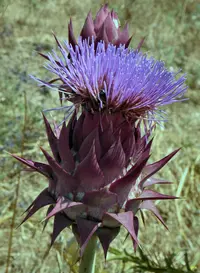
Cynara syriaca is a perennial thistle-like plant in the Asteraceae family, related to artichokes and cardoons. It forms robust clumps with deeply divided, often spiny foliage and tall flowering stems. The plant is native to parts of the eastern Mediterranean, where it grows in dry, open habitats and rocky fields. Its strong taproot and tough leaves reflect adaptation to hot, relatively poor soils. Gardeners who care for Cynara syriaca should expect a sun-loving plant with moderate drought tolerance but a need for reasonably well-drained soil. It suits low-maintenance, dry or Mediterranean-style plantings more than lush, high-moisture gardens.

Care Difficulty
Moderate Care

Light Preference
Full Sun

Water Requirements
Moderate Water

Temperature Preference
Warm Climate

Hardiness Zone
8–11

Soil Texture
Sandy, Loamy, Organic-rich

Soil pH
Slightly acidic (6.5–7.0), Neutral (7.0)

Soil Drainage
Well-drained

Fertilization
Light (every 4–6 weeks)
Scan your plant to receive care tips personalized for your specific plant
Available on iOS and Android
This Mediterranean perennial needs ample direct light to form strong rosettes and flower heads.
This deep-rooting plant prefers evenly moist but never waterlogged soil, especially during active growth.
This species is adapted to mild, Mediterranean-type climates with cool winters and warm, dry summers.
This species handles typical outdoor humidity well, so moisture in the air is rarely a limiting factor.
This plant prefers deep, loose, well-draining ground that does not stay waterlogged.
This species can be grown in large containers, but only where substantial root space and stability are provided.
This perennial benefits from modest, targeted feeding during its active growth rather than heavy fertilization.
Thoughtful pruning helps keep Cynara syriaca vigorous, tidy, and safely manageable.
This species is usually grown in open ground, so transplanting young plants correctly matters more than container repotting.
Propagation of this plant is commonly done by seeds and, in established clumps, by careful division.
This perennial has moderate cold tolerance but benefits from basic winter protection, especially in colder regions or exposed sites.

Plant Health Check
Not sure what's wrong with your plant? Check your plant's health inside the app.
This perennial thistle is native to dry, rocky habitats of the eastern Mediterranean, where it grows in calcareous soils and tolerates long, hot, rain-poor summers.
Its large, spiny flower heads produce abundant nectar and pollen, which attract a wide range of bees and other insects that are adapted to navigating the protective spines.
A robust taproot allows the plant to access deeper soil moisture, an adaptation that supports survival in regions with pronounced summer drought.
Lack of flowering usually comes from insufficient plant maturity, nutrient imbalance with too much nitrogen, or stress from drought, transplanting, or overcrowding. Allow 2–3 seasons to mature, keep soil evenly moist, and avoid heavy high-nitrogen fertilization.
Keep your plants happy and healthy with plant identification, disease detection, and easy care guidance.