Mexican groundcherry Care (Physalis philadelphica)

Also known as: Large-flowered Tomatillo, tomatillo
Mexican groundcherry

About Mexican groundcherry

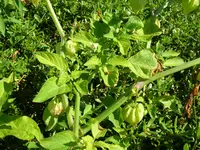
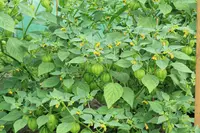
Mexican groundcherry, Physalis philadelphica, is a warm-season annual in the nightshade family, grown mainly for its small, tomato-like fruits enclosed in papery husks. It forms a bushy plant with branching stems, soft leaves, and nodding, pale yellow flowers that develop into green to purple fruits.

This species is native to Mexico and parts of Central America but is now widely grown in gardens and small farms in warmer regions. It is generally considered easy to grow, as long as it receives plenty of sun, moderate moisture, and well-drained soil. Understanding how to care for Mexican groundcherry helps gardeners achieve good flowering and reliable fruit set.

Main Plant Requirements

Care Difficulty

Moderate Care

Light Preference

Full Sun

Water Requirements

Regular Water

Temperature Preference

Tropical / Frost Sensitive

Hardiness Zone

9–11

Soil Texture

Sandy, Loamy, Organic-rich

Soil pH

Acidic (5.5–6.5), Slightly acidic (6.5–7.0)

Soil Drainage

Moist but well-drained

Fertilization

Light (every 4–6 weeks)

Get Personalized Care Plan

Scan your plant to receive care tips personalized for your specific plant

Available on iOS and Android

How to Care for the Mexican groundcherry

Physalis philadelphica needs strong, direct light to flower and fruit well.

  • Provide 6–8 hours of full sun daily; morning sun plus light afternoon shade suits hot summer regions best.
  • Tolerates light partial shade (4–5 hours sun), but Mexican groundcherry may produce fewer and smaller fruits in such conditions.
  • In very intense climates, protect from harsh afternoon sun with 30–40% shade cloth to reduce leaf scorch and flower drop.

This species prefers evenly moist, well‑drained soil rather than constantly wet conditions.

  • Water when the top 3–5 cm of soil feels dry, soaking the root zone deeply, then allow excess water to drain away fully.
  • During hot, dry spells, check soil every 1–2 days; in cooler or rainy periods, extend intervals to avoid waterlogged soil and root rot.
  • Signs of underwatering include limp, dull leaves and slowed growth; overwatering shows as yellowing lower leaves and persistent soggy soil.

This warm‑season plant thrives in stable, moderate heat and is very sensitive to frost.

  • Aim for 70–85°F (21–29°C) for active growth and flowering, with night temperatures ideally above 60°F (16°C).
  • Plant outdoors only after frost danger has passed; growth slows below 55°F (13°C), and light frost near 32°F (0°C) can kill young plants.
  • In heat above 95°F (35°C), flowers may drop; use mulch and light afternoon shade to keep roots cooler and reduce stress.

Humidity is rarely a limiting factor for Physalis philadelphica, which adapts well to typical indoor and outdoor air levels.

  • Target 30–50% humidity, similar to most heated or air-conditioned homes, without needing special devices.
  • Dry indoor air is usually tolerated, but prolonged very low humidity plus heat can accelerate leaf edge crisping and flower drop.
  • If leaves curl and feel papery in very hot, arid conditions, group plants together or place shallow water trays nearby to slightly raise local humidity.

Physalis philadelphica grows best in loose, well-aerated, moderately fertile ground that drains freely yet holds some moisture.

  • Use a loamy mix with 40–60% garden soil or potting soil, 20–40% compost, and 10–20% perlite or coarse sand for structure and aeration.
  • Aim for slightly acidic to neutral pH around 6.0–7.0, which supports nutrient uptake and limits micronutrient lockout.
  • Improve drainage by incorporating coarse sand or perlite through the top 15–20 cm if soil compacts or puddles after watering.
  • Avoid heavy, sticky clay, waterlogged spots, or very peat-heavy mixes that stay saturated and promote root rot.

This species is well suited to container growing when given enough root volume and stable support.

  • Choose a pot at least 30–35 cm wide and deep to accommodate its spreading root system and reduce rapid drying between waterings.
  • Use a heavier material such as clay or ceramic if plants become top-heavy, to reduce tipping in wind or on balconies.
  • Elevate the container on feet or bricks so drainage holes stay clear and excess water escapes quickly, preventing soggy lower roots.

Physalis philadelphica responds well to moderate, balanced feeding during its active growing season.

  • Use a balanced NPK fertilizer (such as 10-10-10) or well-rotted compost mixed into the topsoil at planting.
  • Apply a diluted liquid or slow-release fertilizer every 4–6 weeks during spring and summer, at 1/2 strength.
  • Reduce or stop feeding in fall and winter when growth slows, especially for Mexican groundcherry in cool climates.
  • Water before and after feeding to limit root burn and improve nutrient uptake.

Pruning Physalis philadelphica is useful for managing shape, airflow, and fruiting performance.

  • Time most pruning for late spring to early summer once plants are established and growing strongly.
  • Remove dead, diseased, or storm-damaged stems with clean, sharp hand pruners to reduce disease spread.
  • Thin out crowded, crossing branches to increase light and airflow through the canopy, supporting better flowering and fruit set.
  • Lightly tip back excessively long shoots to keep plants compact and easier to support.

This species is more often transplanted in beds than repotted long term in containers.

  • Start seeds in small pots or cell trays, then transplant outdoors after frost when seedlings have 2–3 true leaves.
  • Move plants if roots circle the container, growth stalls, or soil dries out extremely fast between waterings.
  • Transplant in late spring to early summer, spacing plants so mature canopies do not crowd each other.
  • Water thoroughly before and after moving plants, handle the root ball gently, and shade for 1–2 days to reduce transplant shock.

Physalis philadelphica is most commonly propagated from seed for consistent, vigorous plants.

  • Sow fresh seeds indoors in late winter to early spring, 6–8 weeks before the last expected frost.
  • Use a light, sterile seed-starting mix and keep it evenly moist at 70–80°F for reliable germination.
  • Provide strong light after emergence and gently brush or fan seedlings to prevent weak, leggy growth.
  • Harden off young plants outdoors over 7–10 days before planting into the garden.

This warm-season annual in many regions needs attention only where frost threatens surviving plants or late fruit.

  • In mild climates, add a 5–8 cm mulch layer around the base to buffer soil temperature swings.
  • Before first hard frost, harvest remaining fruits and remove most top growth to limit freeze damage.
  • For container plants, move pots into a frost-free, bright area and reduce watering to keep soil just slightly moist.

Care Tips

Provide sturdy support

Install low tomato cages or soft-tie the stems to short stakes early in the season so the fruiting branches stay off the soil, reducing rot and slug damage.

Mulch for clean fruit

Apply a 5–7 cm layer of clean straw or leaf mulch under the plants so fallen husked fruits stay dry and visible, making harvest faster and reducing fungal issues.

Timed blossom thinning

If plants are overloaded with flowers, pinch off a portion of late-season blossoms about 6–8 weeks before expected frost so the plant channels energy into sizing and ripening existing fruit.

Harvest-by-drop method

Check the ground every 1–2 days and collect fruits that have dropped and turned from green to yellowish inside the husk, which is the most reliable indicator of ripeness when growing Mexican groundcherry.

Rotate and relocate

Rotate planting spots on a 3–4 year cycle away from other nightshades and remove old roots after frost to reduce soil-borne disease and pest buildup specific to tomatillos and related crops.

Common Pests and Diseases

Tomato yellow leaf curl virus

This disease causes severe stunting, upward-curling yellow leaves, and poor fruit set in tomatillo plants. Symptoms include small, leathery foliage and very low yields.

Solution

Remove and destroy infected plants promptly to limit spread and control whiteflies, which transmit the virus, by using insect-proof row covers, reflective mulches, and yellow sticky traps. Avoid planting tomatillos near previously infected solanaceous crops and choose planting times and locations that reduce whitefly pressure.

Early blight

This disease produces brown leaf spots with concentric rings, starting on lower foliage and moving upward, often leading to premature defoliation. Symptoms include yellow halos around spots and reduced fruit size and quality.

Solution

Remove and discard affected leaves, avoid overhead watering, and space plants to improve airflow and leaf drying. Use crop rotation of at least 3–4 years away from tomatoes, potatoes, and eggplants, mulch soil to reduce splash, and apply a labeled copper or chlorothalonil fungicide preventively when conditions are warm and humid.

Southern blight

This disease attacks stems at the soil line, causing sudden wilting, brown stem lesions, and rapid plant collapse, especially in warm, wet soils. Symptoms include white fungal growth and small round tan sclerotia on the soil surface or stem base.

Solution

Pull and dispose of infected plants and the top layer of surrounding soil, and avoid replanting solanaceous crops in the same spot. Improve drainage, raise beds if possible, avoid deep mulches that hold moisture at the stem base, and consider solarizing heavily infested beds during the hottest part of summer.

Tomatillo fruitworm

This pest is a caterpillar that tunnels into husks and feeds on developing fruits, leaving frass and entry holes and causing premature fruit drop. This insect often goes unnoticed until husks are opened at harvest.

Solution

Handpick and destroy damaged fruits and caterpillars when first noticed, and use floating row covers early in the season to block egg-laying moths. In larger plantings, apply Bacillus thuringiensis (Bt) to foliage and developing husks in the evening, repeating as labeled during active infestation as part of broader Physalis philadelphica plant care.

Whiteflies

These insects cluster on leaf undersides, sucking plant sap and causing yellowing, leaf drop, and sticky honeydew that can lead to sooty mold. This pest often builds up quickly in warm, sheltered garden areas or tunnels.

Solution

Regularly inspect the undersides of leaves and use a strong stream of water to dislodge adults and nymphs. Introduce or conserve natural enemies like lady beetles, hang yellow sticky traps to reduce adult populations, and, if needed, use insecticidal soap or neem oil, making sure to coat the undersides of leaves and repeat as directed.

Interesting Facts

Staple in Mexican cuisine

This species, commonly called tomatillo, is a core ingredient in many traditional Mexican sauces such as salsa verde, where its naturally tart flavor provides acidity instead of citrus.

Insect-pollinated husked fruit

The plant produces small yellow to yellow-green flowers that are mainly pollinated by bees, and each developing fruit becomes enclosed in a papery husk formed from the persistent calyx, which protects the berry as it matures.

Natural source of pectin

Tomatillo fruits contain relatively high levels of pectin, a gelling fiber, which helps thicken cooked salsas and sauces without added thickeners and affects the texture when preserving or canning the fruit.

Botan icon

Did you know?

Domesticated P. philadelphica likely originated in central Mexico, where archaeological and historical evidence indicate it was cultivated long before the widespread adoption of the tomato (Solanum lycopersicum) in local cuisines.

FAQs about Mexican groundcherry

The ripe fruits are edible and widely used in salsas and sauces. Only fully colored, well-filled husks should be eaten. Unripe green fruits, leaves, and other plant parts contain higher alkaloid levels and should not be consumed.

Grow Healthy Plants with Botan Care

Keep your plants happy and healthy with plant identification, disease detection, and easy care guidance.

Botan plant care app — identify plants on mobile

Explore More Plants