Chinese pear Care (Pyrus pyrifolia)

Also known as: Asian Pear, Sand pear
Chinese pear

About Chinese pear

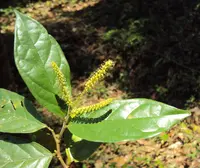
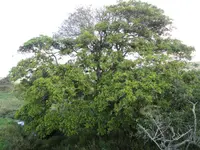
Chinese pear, Pyrus pyrifolia, is a deciduous fruit tree grown for its crisp, juicy pears and attractive spring blossoms. It forms a rounded canopy with dense branching and simple, oval leaves that turn warm colors in autumn.

This species is native to East Asia and is now cultivated in many temperate regions for both home orchards and small-scale commercial production. It is considered moderately easy to grow when given full sun, moderately moist but well-drained soil, and good air circulation.

Disease resistance, chilling requirements, and grafted rootstock quality strongly influence how reliable and productive the tree becomes, so it helps to learn how to care for Chinese pear before planting.

Main Plant Requirements

Care Difficulty

Moderate Care

Light Preference

Full Sun

Water Requirements

Regular Water

Temperature Preference

Cold Hardy

Hardiness Zone

5–9

Soil Texture

Loamy, Sandy, Clay

Soil pH

Acidic (5.5–6.5), Slightly acidic (6.5–7.0)

Soil Drainage

Moist but well-drained

Fertilization

Minimal (feed rarely)

Get Personalized Care Plan

Scan your plant to receive care tips personalized for your specific plant

Available on iOS and Android

How to Care for the Chinese pear

This fruit tree needs abundant direct sun for strong growth and reliable crops.

  • Provide 6–8 hours of direct sun daily; full sun is best, especially for Chinese pear fruiting quality.
  • Site trees where they receive morning sun and can tolerate moderate afternoon sun; light partial shade is acceptable but may reduce yield and sweetness.
  • Avoid dense shade, which causes weak, leggy shoots and fewer flowers; in very hot regions, slight afternoon shade can reduce leaf scorch and sunburn on young fruit.

This tree prefers evenly moist, well-drained soil rather than frequent shallow watering.

  • Before watering, let the top 3–5 cm of soil dry, then water deeply so moisture reaches the main root zone, encouraging deeper roots in Pyrus pyrifolia.
  • Use soil texture as a guide: loamy, free-draining soil reduces waterlogging risk; avoid standing water around the trunk to prevent root rot.
  • Increase watering during hot, dry spells and reduce in cool or rainy periods; watch for drooping, dull leaves as a thirst sign and yellowing, mushy roots or foul odor as overwatering indicators.

This species is a temperate fruit tree that needs cool winters and mild to warm growing seasons.

  • Active growth and fruit development are best around 65–80°F (18–27°C); flowers and young fruit prefer stable, frost-free weather.
  • Dormant trees tolerate winter lows to about 0°F (−18°C) once established, but late spring frosts below 28°F (−2°C) can damage blossoms and reduce yield.
  • In hot summers above 90°F (32°C), provide soil mulch and irrigation to limit heat stress; prolonged extreme heat over 100°F (38°C) can cause leaf scorch and smaller fruit.

Humidity is rarely a limiting factor for Pyrus pyrifolia, which suits typical outdoor conditions in most temperate regions.

Pyrus pyrifolia performs best in well-structured, aerated mineral soil with reliable drainage.

  • Use a loamy soil with a mix of sand, silt, and clay, enriched with 10–20% compost for steady nutrient supply.
  • Aim for slightly acidic to neutral pH, roughly 6.0–7.0, avoiding strongly acidic or alkaline sites that limit nutrient uptake.
  • Improve heavy clay by incorporating coarse sand and fine gravel to enhance drainage and root aeration before planting.
  • Avoid compacted, waterlogged, or consistently saturated soil, which encourages root rot and weak structural anchoring.

This species can be grown in large containers for some years, especially dwarf or semi-dwarf rootstocks, if managed carefully.

  • Choose a deep, heavy container that resists tipping as the canopy and fruit load increase, improving stability in wind.
  • Select pot materials like thick plastic or glazed ceramic that moderate moisture loss, reducing extreme drying between waterings.
  • Elevate the container slightly on feet or bricks so drainage holes remain clear and excess water exits quickly after rainfall or irrigation.

Pyrus pyrifolia benefits from moderate, targeted feeding to support flowering and fruit set.

  • Apply a balanced granular fertilizer (for example 10-10-10) or well-rotted compost in early spring as growth begins.
  • Feed again in late spring if growth is weak or fruiting is heavy, then stop by midsummer to avoid soft late growth.
  • Use slow-release fertilizer at label rates; avoid overapplication, which can cause lush foliage with fewer fruits.
  • In containers, use a half-strength balanced liquid feed every 4–6 weeks during active growth, none in winter.

Pyrus pyrifolia responds well to structured pruning that improves light, airflow, and fruit quality.

  • Prune in late winter while the tree is dormant, before buds swell, to reduce sap bleeding and disease risk.
  • Remove dead, diseased, crossing, or inward-growing branches using clean, sharp bypass pruners or a pruning saw.
  • Thin crowded shoots to open the canopy, encouraging strong fruiting spurs and reducing fungal problems.
  • Maintain an open center or modified central leader shape, shortening overly vigorous upright shoots to balance growth.

Asian pear is usually grown in-ground, so transplanting young trees at the right time is more important than frequent repotting.

  • Transplant in late winter or very early spring while the tree is dormant, before new growth starts.
  • Look for circling roots, a pot-bound mass, or declining vigor as signs a container-grown tree needs a larger space.
  • Move up only 1–2 pot sizes or into a prepared garden hole with loosened soil and good drainage.
  • Handle the root ball gently, tease only the outer circling roots, water deeply after planting, and mulch to reduce stress.

Pyrus pyrifolia is usually propagated by grafting onto compatible rootstocks rather than by home methods.

  • Use dormant scion wood grafted onto pear rootstocks in late winter for reliable cultivar cloning.
  • Sow fresh seeds in autumn outdoors or cold-stratify 60–90 days at 34–41°F before spring sowing for genetic variation, not true-to-type plants.
  • Take semi-hardwood cuttings in midsummer, use rooting hormone, and keep in high humidity with bottom heat, though success rates are often low.
  • Maintain sterile tools and well-drained, low-salt media to reduce rot and improve survival of young plants.

Asian pear is generally cold hardy but benefits from basic winter management, especially in colder regions and containers.

  • Established trees tolerate typical temperate frosts; young trees are more vulnerable to extreme freezes.
  • Apply 5–8 cm of organic mulch around the root zone, keeping it slightly away from the trunk, to buffer soil temperature.
  • For container plants, move pots into an unheated garage, shed, or against a sheltered wall to limit root freezing.

Care Tips

Early branch training

Start selecting and gently tying down scaffold branches when the tree is young to create wide branch angles (45–60°), which improves light penetration, fruit quality, and long-term branch strength.

Fruit thinning strategy

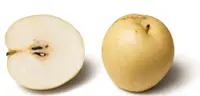
Once fruitlets reach marble size, remove excess so that clusters are spaced about 15–20 cm apart, which reduces limb breakage and encourages larger, better‑flavored pears.

Support heavy crops

Before fruit reaches full size, add padded props or soft ties under heavily loaded branches to prevent splitting and to keep fruit off the ground where it is more likely to rot or be eaten by pests.

Targeted pest monitoring

Hang sticky traps and inspect young leaves and developing fruit weekly in spring and early summer so that pests such as pear psylla or codling moth are detected early and controlled before significant damage occurs.

Sanitation for disease

Collect and dispose of fallen leaves, mummified fruit, and pruned infected twigs promptly, especially after wet weather, to lower the disease pressure and make caring for Chinese pear more predictable from year to year.

Common Pests and Diseases

Pear psylla

This pest feeds on young shoots and leaves, sucking sap and producing sticky honeydew that leads to sooty mold and leaf distortion. Symptoms include reduced vigor, sticky residue on foliage, and black moldy growth on leaves and fruit.

Solution

Monitor new growth in late winter and early spring and prune out heavily infested shoots. Use strong water sprays to dislodge nymphs, apply horticultural oil during dormant or delayed-dormant stages to smother eggs, and introduce or conserve natural enemies such as lady beetles whenever possible.

Pear scab

This disease causes dark, velvety spots on leaves, fruit, and young shoots, which can crack and deform as they enlarge. Symptoms include rough, corky lesions on fruit that reduce quality and may cause premature fruit drop.

Solution

Remove and destroy fallen leaves and mummified fruit to reduce overwintering spores, and prune the canopy to improve airflow and faster drying after rain. In areas with a history of pear scab, apply an appropriate fungicide starting at green-tip stage and repeat according to label directions during wet periods, as part of broader Pyrus pyrifolia plant care.

Fire blight

This disease is caused by the bacterium Erwinia amylovora and leads to blackened, wilted shoots that look scorched, often with a characteristic shepherd’s-crook tip. Symptoms include cankers on branches and oozing bacterial exudate in warm, humid weather.

Solution

Prune out infected shoots at least 20–30 cm below visible symptoms during dry weather, disinfecting tools between each cut with 70% alcohol or a 10% bleach solution. Avoid heavy nitrogen fertilization that stimulates lush, susceptible growth, and in high-risk regions consider using labeled copper or biological bactericide sprays during bloom.

Pear blister mite

These mites live inside leaf tissue and cause small raised blisters that turn from pale green to reddish or brown as the season progresses. Symptoms include distorted leaves and reduced photosynthesis, which can weaken the tree over time.

Solution

Remove and dispose of heavily affected leaves at the end of the season to reduce overwintering mites. Apply horticultural oil during the dormant period to target overwintering stages, and encourage beneficial predatory mites by avoiding broad-spectrum insecticides.

Codling moth

These insects are internal fruit feeders whose larvae tunnel into fruit, leaving small entry holes, frass, and premature fruit drop. Symptoms include wormy fruit with brown tunnels and seeds consumed from the core.

Solution

Use pheromone traps to monitor adult moth activity and time control measures, and remove infested fruit from the tree and ground to break the life cycle. Install fruit bagging or fine mesh sleeves around young fruit where practical, and in larger plantings use mating disruption or targeted biological insecticides timed to egg hatch based on local degree-day models.

Interesting Facts

Crisp stone-cell texture

The fruit has an unusually high density of stone cells (sclereids), which gives it a crisp, gritty texture distinct from the melting flesh of European pears such as Pyrus communis.

Chilling-dependent flowering

This species requires a substantial number of winter chill hours to break bud dormancy, so reliable flowering and fruiting occur only in climates with cool to cold winters.

East Asian domestication center

Genetic and archaeological evidence shows that Pyrus pyrifolia was domesticated independently in East Asia, with long-term cultivation and selection documented in China, Japan, and Korea for over a thousand years.

Botan icon

Did you know?

Some ancient Chinese and Japanese cultivars of Pyrus pyrifolia have been vegetatively propagated for many centuries, so modern grafted trees can be genetically identical clones of trees that were first selected in historical orchards long before modern plant breeding.

FAQs about Chinese pear

Lack of blooms usually comes from immature age, heavy pruning of young wood, insufficient winter chill, or nutrient imbalance. Excess nitrogen promotes leaves over flowers. Proper dormancy, balanced fertilization, and patience often solve the issue when growing Chinese pear.

Grow Healthy Plants with Botan Care

Keep your plants happy and healthy with plant identification, disease detection, and easy care guidance.


Botan plant care app — identify plants on mobile

Explore More Plants