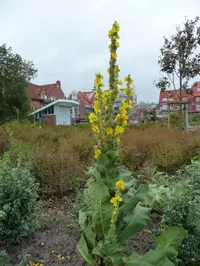
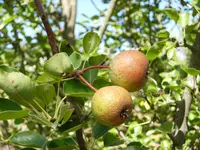
starhair groundcherry Care (Physalis viscosa)

Also known as: grape groundcherry, Yellow Henbane, Sticky Gooseberry, Sticky Phasalis
starhair groundcherry

About starhair groundcherry

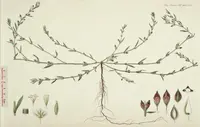
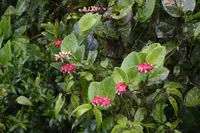
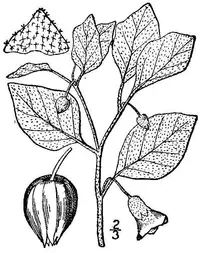
Starhair groundcherry (Physalis viscosa) is a small perennial in the nightshade family, grown mainly for its papery husked fruits and drought tolerance. It often forms low, bushy clumps with softly hairy stems and leaves, and small yellow flowers that mature into round berries enclosed in a lantern-like calyx.

This species is native to parts of the Americas and has naturalized in warm, dry regions, often appearing in disturbed or sandy sites. It tends to be resilient and can spread on its own, which makes it easy to establish but sometimes persistent.

Understanding how to care for starhair groundcherry starts with knowing that it prefers full sun, well-drained soil, and moderate watering, and does not tolerate prolonged waterlogging.

Main Plant Requirements

Care Difficulty

Easy Care

Light Preference

Full Sun

Water Requirements

Moderate Water

Temperature Preference

Warm Climate

Hardiness Zone

7–11

Soil Texture

Sandy, Loamy, Organic-rich

Soil pH

Acidic (5.5–6.5), Slightly acidic (6.5–7.0)

Soil Drainage

Well-drained

Fertilization

Minimal (feed rarely)

Get Personalized Care Plan

Scan your plant to receive care tips personalized for your specific plant

Available on iOS and Android

How to Care for the starhair groundcherry

This sun-loving perennial fruits best with strong light and moderate heat exposure.

  • Provide 6–8 hours of direct sun daily; morning and early afternoon sun are ideal for flowering and fruiting in starhair groundcherry.
  • Plants tolerate light afternoon shade, especially in hotter regions, but sites with less than 4–5 hours of direct sun produce fewer, weaker shoots.
  • In summer, monitor for leaf scorch on reflective or south-facing sites and use light mulch or nearby plants to reduce soil overheating and water loss.

This species prefers steady, moderate soil moisture without staying soggy.

  • Let the top 3–5 cm of soil dry before watering, using a finger test rather than a fixed schedule to judge moisture level.
  • During active growth and fruiting, water deeply so moisture reaches 15–20 cm depth, then allow partial drying to prevent root rot in Physalis viscosa.
  • In cooler months or during slow growth, reduce frequency, watching for wilting or crisp leaves as underwatering signs and yellowing, soft stems as overwatering signs.

This warm-season plant performs best in mild to hot conditions without frost exposure.

  • Target 70–85°F (21–29°C) for strongest growth and flowering, with steady warmth and good air movement around foliage.
  • Plants tolerate brief dips to 40–45°F (4–7°C) but growth slows; repeated exposure below 32°F (0°C) can kill top growth or entire plants.
  • In hot spells above 95°F (35°C), provide mulch and optional light afternoon shade to protect roots and reduce stress on flowering and fruit set.

This species handles a wide humidity range and rarely needs special humidity management.

  • Ideal humidity is around 30–60%, typical of most heated or air‑conditioned homes.
  • Dry indoor air is usually tolerated, but prolonged very dry air can cause leaf edge browning or occasional flower drop.
  • If air is extremely dry, group pots together or place a tray of water and pebbles nearby to slightly raise local humidity.

Physalis viscosa prefers light, well‑structured soil that drains quickly but does not dry out immediately.

  • Use a sandy or loamy mix with 30–40% compost to provide both structure and moderate nutrient content.
  • Ensure fast drainage by blending in coarse sand or perlite so water moves through within a few seconds of watering.
  • Aim for slightly acidic to neutral pH around 6.0–7.0, which supports nutrient uptake and root health.
  • Avoid heavy clay, compacted mixes, or constantly waterlogged conditions, which promote root rot and weak growth.

This species is suitable for container growing when the pot is chosen to support its spreading root system and branching habit.

  • Select a pot at least 25–30 cm deep and wide so roots can spread horizontally and support fruiting stems.
  • Choose a slightly heavier material like ceramic or thick plastic to keep the plant stable against wind once it is full and leafy.
  • Raise the container on pot feet or bricks so drainage holes stay clear and excess water can exit quickly after rain or watering.

Physalis viscosa grows reasonably well in average soil but benefits from light, balanced feeding during the main growing season.

  • Use a balanced NPK granular or liquid fertilizer at 1/2 strength every 4–6 weeks in spring and summer for caring for starhair groundcherry.
  • In poor soils, work in a thin layer of mature compost around the root zone once in spring.
  • Skip feeding in fall and winter to avoid soft, frost-prone growth.
  • Always water before and after applying fertilizer to limit root burn and improve nutrient uptake.

Physalis viscosa responds well to light, structured pruning that maintains shape and plant health.

  • Carry out main pruning in late winter or very early spring before strong new growth starts.
  • Remove dead, diseased, or storm-damaged stems first, then thin crowded shoots to improve air flow.
  • Shorten overly long or sprawling stems to control spread and encourage bushier growth and more flowers.
  • Use sharp, clean hand pruners and make cuts just above a leaf node to promote healthy regrowth.

This species is usually grown in the ground, so management focuses more on transplanting young plants than frequent repotting.

  • Transplant in spring after frost risk passes, when seedlings or young plants have several true leaves and sturdy stems.
  • Move container plants only when roots circle the pot, growth slows, or watering frequency becomes very high.
  • Shift to a slightly larger container or new bed with loose, well-drained soil to limit transplant shock.
  • Water thoroughly after moving and provide light shade and even moisture for 7–10 days to help roots re-establish.

Physalis viscosa is commonly propagated from seed and can also spread by division or cuttings in suitable conditions.

  • Sow seeds in late winter to early spring on the surface of moist, well-drained seed mix at 65–75°F.
  • Provide bright, indirect light and keep the medium evenly moist until germination in 1–3 weeks.
  • Transplant seedlings once they have several true leaves, handling roots gently to limit disturbance.
  • In late spring, softwood cuttings or small root divisions can be rooted in a loose, moist medium under high humidity.

This species is moderately cold hardy in many regions and usually needs only light winter care in the ground.

  • In climates with freezing winters, apply a 5–8 cm mulch layer around the root zone after soil cools.
  • Avoid heavy winter watering; keep soil just barely moist to prevent root rot.
  • For container plants, move pots to a sheltered, unheated but frost-free spot with some light.

Care Tips

Staggered Succession Sowing

Start several small batches of seeds 2–3 weeks apart to maintain a continuous harvest window and to replace any plants that decline early from heat, pests, or storm damage.

Targeted Flower Support

Install low pegs, short stakes, or a mesh grid around young plants so that later branches carrying husk-covered fruits are lightly supported and do not lodge or snap after rain or wind.

Prevent Fruit Ground Contact

Lay down a breathable mulch such as straw or pine needles under plants so dropped husked fruits stay clean, dry faster after rain, and are less prone to slug damage or rot.

Regular Pest Scouting

Inspect the undersides of leaves 1–2 times per week for aphids, leaf beetles, and caterpillar feeding, and remove early infestations by hand or with a strong water spray before they build to damaging levels when growing starhair groundcherry.

End‑Season Clean Removal

Uproot and discard spent plants, fallen husks, and plant debris at the end of the season to reduce overwintering sites for pests and fungal spores and to keep next year’s planting area healthier.

Common Pests and Diseases

Colorado potato beetle

This pest chews leaves and young shoots, often defoliating plants and reducing fruit set. Symptoms include skeletonized foliage, clusters of yellow eggs on leaf undersides, and striped adult beetles on stems and leaves.

Solution

Handpick adults and larvae into soapy water and crush egg clusters from leaf undersides. Use floating row covers to exclude beetles, rotate crops away from other Solanaceae like potatoes, and if needed apply a targeted spinosad-based product in the evening, following label directions to limit impact on beneficial insects.

tobacco hornworm

This pest feeds heavily on foliage and can quickly strip branches, leaving large, irregular holes and dark droppings on leaves and soil. These caterpillars are large, green, and often blend with the stems and leaves.

Solution

Hand-remove hornworms and drop them into soapy water, inspecting plants at dusk and early morning when feeding is most active. Encourage natural predators such as parasitic wasps, avoid broad-spectrum insecticides, and keep nearby solanaceous hosts (tomato, pepper) monitored to reduce local populations while growing starhair groundcherry.

phytoplasma yellows

This disease causes stunting, yellowing of foliage, witches’ broom (dense, tufted shoot growth), and small, misshapen fruits. Symptoms include distorted leaves and failure of flowers to develop normal berries.

Solution

Remove and destroy affected plants promptly because phytoplasma pathogens cannot be cured and live inside the plant’s vascular system. Control leafhopper vectors with fine mesh row covers, reduce nearby weed hosts, and avoid planting new Physalis in the same spot immediately after a severe outbreak.

Tomato spotted wilt virus

This disease produces ring spots, mottling, and bronzing on leaves, along with deformed or discolored fruits and general growth decline. Symptoms include stunted plants and irregular, sometimes necrotic patches on foliage.

Solution

Rogue and discard infected plants to prevent spread, as there is no direct cure for this virus. Manage thrips, which transmit the virus, by using blue or yellow sticky cards, reducing flowering weeds that harbor thrips, and applying insecticidal soap or horticultural oil to the undersides of leaves when populations are high.

early blight

This disease causes brown leaf spots with concentric rings, starting on older leaves and progressing upward, often leading to premature leaf drop and reduced fruit production. Symptoms include yellow halos around lesions and weakened plants under humid or wet conditions.

Solution

Remove and dispose of infected leaves, avoid overhead watering, and space plants for good airflow to keep foliage dry. Apply a copper-based fungicide preventively when conditions are warm and humid, rotate crops away from other nightshades for at least 2–3 years, and keep plant debris out of the bed to reduce overwintering spores.

Interesting Facts

Sticky star-shaped hairs

The leaves and stems are covered with star-shaped glandular hairs that feel sticky to the touch and can trap small insects and dust, a feature that likely helps reduce herbivory and water loss in hot, dry habitats.

Persistent papery husks

After the small yellow flowers are pollinated, the calyx enlarges into a papery husk that tightly encloses the berry and often remains intact long after the fruit dries, aiding seed protection and gradual dispersal.

Aggressive roadside colonizer

This species readily colonizes disturbed, dry and compacted soils such as roadsides, railway banks, and field margins, and has become a naturalized weed in several warm regions outside its native South America.

Botan icon

Did you know?

Genetic and morphological studies place this species close to other weedy Physalis lineages, and its strong ability to self-seed and thrive in high-heat, low-fertility sites has made it a useful model for understanding how nightshade relatives adapt to increasingly arid and disturbed environments.

FAQs about starhair groundcherry

This species can self-seed and spread by rhizomes, forming loose colonies over time. In favorable conditions it may become weedy, so use edging, mulch, and regular removal of unwanted seedlings to keep patches contained.

Grow Healthy Plants with Botan Care

Keep your plants happy and healthy with plant identification, disease detection, and easy care guidance.

Botan plant care app — identify plants on mobile

Explore More Plants