hairy groundcherry Care (Physalis pubescens)

Also known as: husk tomato, Ground Cherry, downy ground-cherry
hairy groundcherry

About hairy groundcherry

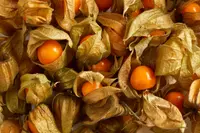
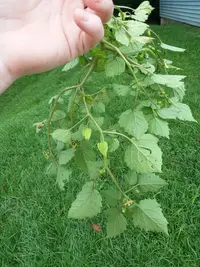
Hairy groundcherry (Physalis pubescens) is a small annual herb in the nightshade family, grown for its edible, berry-like fruits enclosed in papery husks. The plant has softly hairy stems and leaves, a branching habit, and small pale yellow flowers that develop into golden fruits when ripe.

It occurs naturally in parts of the Americas and has spread to warm and subtropical regions, often growing as a wild or weedy species. Plants tend to be fast-growing and can reseed readily, which makes them easy to establish but sometimes a bit invasive in mild climates.

It is relatively undemanding, preferring full sun, moderate moisture, and well-drained soil. Those conditions make it straightforward to care for hairy groundcherry in home gardens and small edible landscapes.

Main Plant Requirements

Care Difficulty

Moderate Care

Light Preference

Full Sun

Water Requirements

Moderate Water

Temperature Preference

Tropical / Frost Sensitive

Hardiness Zone

9–11

Soil Texture

Sandy, Loamy, Organic-rich

Soil pH

Acidic (5.5–6.5), Slightly acidic (6.5–7.0)

Soil Drainage

Moist but well-drained

Fertilization

Light (every 4–6 weeks)

Get Personalized Care Plan

Scan your plant to receive care tips personalized for your specific plant

Available on iOS and Android

How to Care for the hairy groundcherry

Physalis pubescens needs bright, direct sun for strong growth and fruiting.

  • Provide 6–8 hours of direct sun daily; full sun is ideal, especially in cooler climates.
  • Accepts light partial shade, such as morning sun and light afternoon shade, but heavy shade reduces flowering and fruit set in hairy groundcherry.
  • In hot summers, protect from intense late-afternoon sun with filtered light; watch for leaf scorch, pale foliage, or lanky stems as signs of light stress.

Physalis pubescens prefers evenly moist, well-drained soil that never stays soggy.

  • Water when the top 3–5 cm of soil feels dry, soaking the root zone and allowing excess to drain fully.
  • Reduce watering frequency in cool weather and after fruiting slows; increase slightly during hot, windy periods that dry the soil faster.
  • Overwatering shows as yellowing, soft leaves and wilting in wet soil; underwatering causes drooping, dry leaves and rapid soil shrinkage from the bed.

This warm-season species performs best in stable, mild to warm conditions.

  • Aim for 70–85°F (21–29°C) for active growth and flowering; fruit set is most reliable within this range.
  • Growth slows below 60°F (16°C) and stops near 50°F (10°C); plants are frost-sensitive and usually die at 32°F (0°C) or below.
  • Tolerates short heat spells up to about 95°F (35°C) if soil moisture is maintained; use mulch and light shade cloth during extreme heat.

This species tolerates a wide humidity range and rarely needs special air moisture control indoors or outdoors.

  • Target 30–60% humidity, which matches typical indoor air and many outdoor summer conditions in temperate regions.
  • Dry air is usually tolerated, but prolonged exposure below 30% can slow growth and cause slight leaf edge crisping.
  • If air is overly dry, group pots together or place a water tray nearby rather than misting, which adds only brief surface moisture.

This species prefers loose, well-drained, moderately fertile soil that does not stay waterlogged.

  • Use a mix of roughly 50% peat-free potting soil, 30–40% compost, and 10–20% perlite or coarse sand to keep the structure light and airy.
  • Aim for slightly acidic to neutral pH around 6.0–7.0, which supports nutrient availability for Physalis pubescens.
  • In heavier native soils, mix in coarse sand and organic matter to improve drainage and root aeration before planting.
  • Avoid compacted clay, poorly drained spots, or constantly wet substrates, which promote root rot and limit oxygen around the roots.

This species is well suited to container growing for patios, balconies, and small gardens.

  • Choose a pot at least 25–30 cm wide and deep so the spreading root system can develop without quickly becoming restricted.
  • Use a container with large, unobstructed drainage holes to allow rapid runoff after rain or watering, preventing saturated roots.
  • Select a heavier material such as thick plastic or ceramic to add stability, since fruiting stems can make the plant top-heavy in wind.

Physalis pubescens responds well to modest feeding on light, well-drained soils.

  • Use a balanced liquid fertilizer (such as 10-10-10) at half strength every 3–4 weeks during active growth.
  • Alternatively, apply a thin layer of compost or a mild slow-release granular fertilizer at planting time.
  • Reduce feeding in late fall and winter, or whenever growth slows, to avoid weak, leggy stems.
  • Water before and after applying fertilizer to limit root burn and improve nutrient uptake when caring for hairy groundcherry.

Pruning Physalis pubescens focuses on keeping plants healthy, open, and productive.

  • In late winter or early spring, remove dead, diseased, or storm-damaged stems with clean, sharp pruners.
  • Thin crowded inner shoots during the growing season to improve airflow and reduce fungal problems.
  • Lightly tip back excessively long stems to maintain a compact, sturdy shape without heavy cutting.
  • Disinfect blades between plants to limit the spread of disease organisms.

This species is most often grown as an annual in beds or large containers, so transplant timing is important.

  • Start seeds in small pots, then transplant outdoors after frost when roots hold the soil but are not tightly circling.
  • Move container plants up 1 pot size only if roots emerge from drainage holes or growth becomes stunted.
  • Transplant Physalis pubescens on a cool, cloudy day, keeping the root ball intact to limit shock.
  • Water deeply after planting and shade for 2–3 days to help roots re-establish in the new site.

Physalis pubescens is most commonly propagated from seed for consistent crops.

  • Sow fresh or stored seeds indoors in late winter to early spring, 6–8 weeks before the last expected frost.
  • Use a sterile, free-draining seed mix and keep it evenly moist at 70–75°F for faster germination.
  • Provide bright light as soon as seedlings emerge, then thin or transplant to avoid crowding and weak stems.
  • Harden off young plants gradually outdoors over 7–10 days before planting in their final position.

In most climates this plant is treated as a tender annual, so extensive winter care is limited.

  • Physalis pubescens is sensitive to hard frost; growth usually stops and plants die after freezing nights.
  • In mild regions, add a 5–8 cm mulch layer around the root zone to moderate soil temperatures.
  • For container plants in cooler zones, move pots indoors to a bright, frost-free spot before night temperatures drop below 40°F.

Care Tips

Sturdy plant support

Install low tomato cages or individual stakes when plants are 15–20 cm tall so branches do not snap under the weight of maturing lantern-like fruits.

Controlled branching

Pinch the soft tips of overly long, non-flowering shoots early in the season to encourage a more compact, branched plant that holds fruit clusters better off the soil surface.

Fruit drop management

Place a clean, breathable mulch layer such as straw or pine needles under plants so naturally dropped husk fruits stay clean, dry, and easy to collect at peak ripeness.

Targeted pest scouting

Inspect the undersides of leaves and inside husks weekly for aphids, flea beetles, and caterpillars, and remove early infestations by hand or with a directed stream of water before they spread.

End-of-season ripening

Before frost, lift the whole plant and hang it upside down in a dry, airy shed or garage, allowing remaining husked fruits to finish ripening off the ground for extended harvesting when growing hairy groundcherry.

Common Pests and Diseases

Tobacco mosaic virus

This disease causes mottled, distorted foliage and can stunt plants, reducing fruit size and yield. Symptoms include light and dark green mosaic patterns and narrow, crinkled leaves.

Solution

Remove and discard infected plants completely, including roots, and avoid handling healthy plants after touching damaged or infected tissue. Disinfect tools and pots with a 10% bleach solution, avoid using tobacco products around plants, and grow resistant seed lines when available as part of broader Physalis pubescens plant care.

Tomato spotted wilt virus

This disease produces bronze or dark spots on young leaves, ring spots on fruits, and general plant stunting. Symptoms include wilting of shoot tips and deformed, discolored berries that may drop early.

Solution

Promptly remove and destroy infected plants and control thrips, which spread the virus, by using blue or yellow sticky traps and insecticidal soap on leaf undersides. Keep weeds down around plantings, use fine insect netting where practical, and separate new or ornamental hosts like petunias from food crops.

Flea beetles

These insects chew many small round holes in leaves, often giving foliage a shot-hole or lace-like appearance, especially on young plants. This pest can slow growth and reduce vigor, leading to fewer or smaller fruits.

Solution

Protect seedlings with floating row covers until plants are larger, and keep nearby weeds and solanaceous volunteers under control to reduce beetle habitat. Apply diatomaceous earth or a neem-based spray to foliage in dry weather, reapplying after rain, and use light-colored sticky traps to monitor populations.

Tomato hornworm

This pest is a large green caterpillar that strips leaves and may chew on husks and fruits. Symptoms include sudden defoliation of stems and large dark droppings on leaves and soil.

Solution

Hand-pick caterpillars in early morning or evening and drop them into soapy water, checking the undersides of leaves and stems carefully. Encourage or preserve natural enemies such as parasitic wasps (seen as white cocoons on the caterpillar’s back), and consider using Bacillus thuringiensis (Bt) spray targeted to caterpillars if damage is heavy.

Early blight

This disease causes brown leaf spots with concentric rings, starting on older leaves and moving upward, often leading to yellowing and leaf drop. Symptoms include reduced plant vigor and poorer fruit set if defoliation becomes severe.

Solution

Remove and discard infected lower leaves and any plant debris around the base, and avoid overhead watering to keep foliage as dry as possible. Space plants to improve airflow, mulch soil to limit splash from spores, rotate away from other nightshades for at least 2–3 years, and use a copper-based fungicide preventively when weather is warm and humid.

Interesting Facts

Distinctive hairy calyx

The inflated husk surrounding the fruit is densely covered in fine hairs, a trait more pronounced in this species than in many other Physalis, which likely helps reduce water loss and deter small herbivores.

Sweet edible berries

Its small yellow berries are edible and notably sweeter than several related wild Physalis species, though flavor and palatability can vary with ripeness and growing conditions.

Weedy crop companion

In agricultural regions it often appears as a self-sown weed in disturbed soils, especially in vegetable fields and gardens, where its rapid growth and heavy seed production allow it to persist between crop cycles.

FAQs about hairy groundcherry

The ripe golden to orange berries inside fully formed, papery husks are edible and often sweet-tart. Unripe green fruits, leaves, and other plant parts contain higher alkaloid levels and should not be eaten. Always discard damaged or moldy fruits.

Grow Healthy Plants with Botan Care

Keep your plants happy and healthy with plant identification, disease detection, and easy care guidance.

Botan plant care app — identify plants on mobile

Explore More Plants