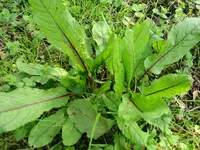
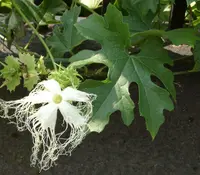
heartleaf groundcherry Care (Physalis cordata)

heartleaf groundcherry

About heartleaf groundcherry

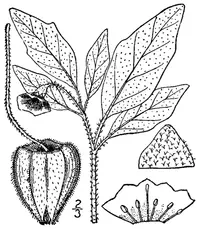
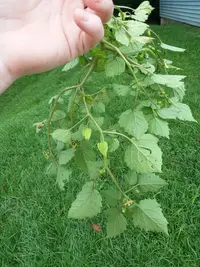
Heartleaf groundcherry (Physalis cordata) is a small, herbaceous plant in the nightshade family, related to tomatillo and some ornamental Physalis species. It usually grows as a branching annual or short-lived perennial with soft, green stems and distinct heart-shaped leaves.

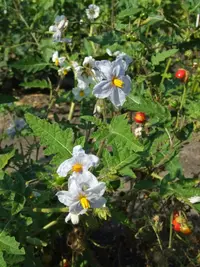
The plant often bears small, pale flowers followed by papery, lantern-like husks that enclose the developing fruit. It is native to tropical and subtropical regions of the Americas and can appear as a weed in disturbed soils.

It tends to favor warm conditions, full sun to light shade, and well-drained soil, which influences how to care for heartleaf groundcherry and manage its spread in gardens or yards.

Main Plant Requirements

Care Difficulty

Moderate Care

Light Preference

Full Sun

Water Requirements

Moderate Water

Temperature Preference

Warm Climate

Hardiness Zone

Unknown

Soil Texture

Sandy, Loamy, Organic-rich

Soil pH

Acidic (5.5–6.5), Slightly acidic (6.5–7.0)

Soil Drainage

Well-drained

Fertilization

Minimal (feed rarely)

Get Personalized Care Plan

Scan your plant to receive care tips personalized for your specific plant

Available on iOS and Android

How to Care for the heartleaf groundcherry

This species prefers bright exposure with some protection from harsh midday sun.

  • Provide 6–8 hours of direct sun daily, ideally with morning sun and light afternoon shade, which supports compact growth and good flowering in heartleaf groundcherry.
  • In hot climates, use filtered or dappled light from about 12–3 pm to reduce leaf scorch, especially during summer heat waves.
  • If stems stretch, leaves pale, or fruiting declines, the plant is not getting enough light; move to a sunnier position or thin nearby shade.

This plant prefers consistently moist but not saturated soil.

  • Water when the top 2–4 cm of soil feels dry, applying enough to moisten the root zone, then allow excess to drain away fully.
  • Use well-drained soil or beds to prevent waterlogging; yellowing lower leaves, soft stems, or a sour smell indicate overwatering in Physalis cordata.
  • In hot, dry weather, expect to water more often; in cool or rainy periods, reduce watering, watching for drooping, curled leaves, or dry, hard soil as signs of underwatering.

This warm-season plant grows best in mild to warm conditions without frost.

  • Optimal growth occurs around 70–85°F (21–29°C), with steady warmth promoting flowering and fruit set.
  • Plants are frost-sensitive; growth slows below about 55°F (13°C) and can be damaged or killed near 32°F (0°C), so protect from late spring and early autumn frosts.
  • In hot spells above 90°F (32°C), provide extra water and some afternoon shade to limit heat stress, flower drop, and leaf scorch.

Humidity is a minor factor for Physalis cordata, which adapts well to typical indoor and outdoor air levels in most homes and gardens.

Physalis cordata prefers light, well-aerated soil that drains quickly but still retains moderate moisture.

  • Use a loose loam or sandy loam with 20–30% compost to supply nutrients and maintain moderate water retention.
  • Aim for slightly acidic to neutral pH around 6.0–7.0, which supports balanced nutrient uptake and healthy root growth.
  • Blend in perlite or coarse sand (10–20%) to improve aeration and reduce the risk of waterlogged conditions.
  • Avoid compacted clay, poorly drained sites, or mixes dominated by fine peat that stay wet and exclude air from roots.

This species adapts well to container growing when root space and drainage are carefully managed.

  • Choose a pot at least 25–30 cm deep so the taproot can extend downward without curling or circling tightly.
  • Select a slightly wider container to accommodate the plant’s spreading habit and reduce tipping risk in wind or heavy fruiting.
  • Use a heavier material such as ceramic if plants become top-heavy, which stabilizes the container and limits sudden moisture swings.

Physalis cordata benefits from moderate feeding to support flowering and fruit set.

  • Use a balanced NPK fertilizer (such as 10-10-10) or well-rotted compost for heartleaf groundcherry in fertile, well-drained soil.
  • Apply a diluted liquid or slow-release fertilizer every 4–6 weeks during the active growing season.
  • Reduce feeding to 1 light application or none during winter or dormancy, especially in cool climates.
  • Dilute liquid fertilizers to half the label strength to avoid excess salts and leaf burn.

Pruning helps maintain compact growth and sustained flowering in Physalis cordata.

  • Carry out light shaping and cleanup in late winter or early spring before vigorous new growth starts.
  • Remove dead, damaged, or diseased stems first, then thin crowded shoots to improve airflow and light penetration.
  • Shorten overly long, lax stems to encourage branching and more flowering points.
  • Use clean, sharp hand pruners and make cuts just above a healthy leaf node.

Physalis cordata is often grown in-ground, but container plants and seedlings respond well to thoughtful transplanting.

  • Transplant or pot up in spring after frost, when roots lightly fill the container or begin circling the drainage holes.
  • Plan to move container plants to a 2–5 cm larger pot every 1–2 years if growth slows or soil dries very quickly.
  • Handle the root ball gently, loosening only the outer circling roots to reduce stress and promote new root branching.
  • Replant at the same soil level in fertile, well-drained mix, then water thoroughly and shade lightly for 2–3 days.

Physalis cordata is most commonly propagated from seeds, with vegetative methods used less often.

  • Sow ripe seeds in late winter to spring in a sterile, well-drained seed mix kept at 68–75°F.
  • Lightly cover seeds, maintain even moisture, and provide bright indirect light to support steady germination.
  • Transplant seedlings when they have 2–3 true leaves, handling stems gently to avoid damage.
  • Softwood stem cuttings in late spring can root in a moist, airy medium under high humidity and warm conditions.

In mild climates Physalis cordata behaves as a tender perennial, but in colder regions it is usually grown as a warm-season annual.

  • Plants are sensitive to hard frost and may die back when temperatures drop near or below 32°F.
  • In-ground plants benefit from a 5–8 cm mulch layer around the root zone in fall where winters are cool but not severe.
  • Move container plants indoors or into a frost-free greenhouse before the first expected freeze, providing as much light as possible.

Care Tips

Use Low Support

Install short stakes or a low ring cage early so stems stay upright and fruits stay off wet soil, which reduces rot and slug damage as plants mature.

Staggered Sowing

Start a second, smaller batch of seedlings 3–4 weeks after the first sowing to extend the fruiting window and maintain productive plants into late season.

Targeted Fruit Thinning

On heavily loaded branches, remove a few of the smallest developing husks so the plant can size up remaining fruits better and reduce the risk of stems snapping in wind.

Sanitary Husks Management

Regularly collect and discard any dropped, moldy, or insect-damaged husks from the soil surface to break pest and disease cycles when growing heartleaf groundcherry.

Crop Rotation Practice

Avoid planting in the same bed as tomatoes, peppers, or potatoes in consecutive years to lower the risk of soil-borne diseases common to the nightshade family.

Common Pests and Diseases

Colorado potato beetle

This pest defoliates plants rapidly, feeding on leaves from seedling stage through fruiting. Symptoms include skeletonized foliage, irregular holes, and clusters of orange eggs on leaf undersides.

Solution

Handpick adults and larvae into soapy water, crush egg clusters on leaf undersides, and use floating row covers to exclude beetles from young plants. For heavier infestations, apply a targeted product with spinosad in the evening, and rotate plantings away from other Solanaceae such as potatoes and eggplants to reduce overwintering populations.

flea beetles

These insects chew many tiny round holes in leaves, which gives foliage a shot-holed or lacy appearance and can severely stunt young plants. Damage is often worst in hot, dry conditions shortly after transplanting or seedling emergence.

Solution

Use floating row covers to protect young plants, keep weeds from the Solanaceae family down around beds, and maintain even soil moisture to support fast growth. In higher-pressure situations, apply a fine layer of kaolin clay or a pyrethrin-based spray in the evening, focusing on undersides of leaves and repeating as needed according to the label.

tobacco mosaic virus

This disease causes mottled light and dark green patterns, distorted new growth, and reduced vigor and yield. Symptoms include narrow, twisted leaves and small or misshapen fruits.

Solution

Remove and destroy symptomatic plants promptly and avoid handling healthy plants after tobacco use or after touching possibly infected solanaceous crops. Disinfect tools and stakes with a 10% bleach solution, grow Physalis cordata in rotation away from other Solanaceae, and choose clean seed or transplants from reputable sources.

bacterial spot

This disease produces small, water-soaked spots on leaves and fruits that turn brown and may develop yellow halos; severe infections cause leaf drop and blemished husks. Symptoms include rough, scabby lesions on fruit that reduce market quality.

Solution

Remove infected leaves, avoid overhead watering, and space plants to improve airflow. Use only disease-free seed or transplants, rotate away from Solanaceae for at least 2–3 years, and if needed apply copper-based bactericides during warm, wet periods, following label directions carefully.

southern blight

This disease causes rapid wilting and collapse of plants, often starting at the crown near the soil line, with white fungal growth and small round sclerotia on the stem base or soil surface. Symptoms include browning and girdling of the lower stem that cuts off water flow to the top growth.

Solution

Pull and destroy affected plants including surrounding soil, and avoid replanting solanaceous crops in that spot for several years. Improve drainage, keep mulch from touching the stem base, and use deep organic mulches or solarization to reduce inoculum; in high-pressure areas consider raised beds and clean transplants as part of comprehensive Physalis cordata plant care.

Interesting Facts

Neotropical forest specialist

This species is native to moist lowland forests in the Neotropics, where it typically grows along edges, clearings, and disturbed understory gaps rather than in fully open, dry habitats like some other Physalis species.

Distinctive heart-shaped leaves

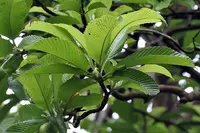
The common name heartleaf groundcherry comes from its noticeably cordate, or heart-shaped, leaf bases, which help distinguish it from many related Physalis species with more oval or lance-shaped foliage.

Lantern fruit structure

Like other members of the nightshade family, it forms an inflated papery calyx that surrounds the berry like a lantern, but in this species the husk and small yellowish fruit rarely reach the larger, showier sizes seen in cultivated groundcherries.

FAQs about heartleaf groundcherry

Ripe fruits inside the papery husk are generally considered edible in small amounts, but unripe fruits, leaves, and stems contain potentially harmful alkaloids. Always identify the species correctly and avoid eating any green, bitter, or damaged parts.

Grow Healthy Plants with Botan Care

Keep your plants happy and healthy with plant identification, disease detection, and easy care guidance.


Botan plant care app — identify plants on mobile

Explore More Plants