güembé Care (Philodendron appendiculatum)

güembé

About güembé

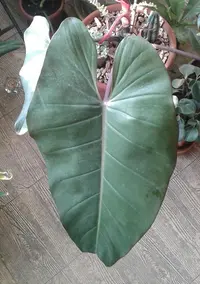
Güembé, Philodendron appendiculatum, is a tropical aroid grown mainly for its bold, deeply cut foliage and climbing or vining growth habit. It often develops aerial roots that help it anchor to supports.

This species is native to humid forests of South America, where it grows as an epiphyte or hemiepiphyte on trees. Its natural habit gives it good tolerance for indoor conditions when provided with stable warmth and moderate humidity.

The plant is considered moderately easy to grow, as it adapts to a range of indirect light levels and typical indoor temperatures. Understanding how to care for güembé starts with providing airy, well-draining soil and avoiding extremes in moisture.

Main Plant Requirements

Care Difficulty

Moderate Care

Light Preference

Bright Indirect Light

Water Requirements

Moderate Water

Temperature Preference

Tropical / Frost Sensitive

Hardiness Zone

10–11

Soil Texture

Loamy, Peaty, Organic-rich

Soil pH

Acidic (5.5–6.5), Slightly acidic (6.5–7.0)

Soil Drainage

Moist but well-drained

Fertilization

Light (every 4–6 weeks)

Get Personalized Care Plan

Scan your plant to receive care tips personalized for your specific plant

Available on iOS and Android

How to Care for the güembé

Philodendron appendiculatum thrives in bright, indirect light that mimics dappled forest shade.

  • Provide 6–8 hours of filtered light daily, such as behind a sheer curtain or under light tree cover, to support steady leaf and stem growth.
  • Tolerates partial shade and can handle gentle early morning sun, but avoid harsh midday or afternoon sun that can scorch leaves and cause pale, dry patches on güembé foliage.
  • If light is too low, stems stretch and new leaves emerge smaller; move the plant to a brighter spot, especially in winter when natural light duration decreases.

Philodendron appendiculatum prefers evenly moist, well-drained soil rather than constant wetness.

  • Water only when the top 2–4 cm of soil feels dry, using enough water so excess drains away, then wait for similar dryness before the next watering.
  • In warm, active growth seasons, drying will be faster; in cooler months, expect slower drying and reduce watering frequency to prevent root rot and sour smells.
  • Signs of overwatering include yellowing leaves and soft, blackened roots, while underwatering shows as drooping, thin leaves and very dry, pulling-away soil.

Stable, warm conditions support healthy growth and root function for this tropical species.

  • Ideal growth occurs around 70–80°F (21–27°C), where enzyme activity and leaf expansion in Philodendron appendiculatum stay most efficient.
  • Tolerates short dips to about 55°F (13°C), but prolonged exposure below this slows growth; protect from temperatures under 50°F (10°C) to avoid cold damage.
  • Handles brief heat up to 90°F (32°C) if humidity is moderate and soil does not dry out completely, but avoid hot, drying winds and sudden temperature swings year-round.

This species benefits from moderately high, stable humidity for best foliage and aerial root development.

  • Target 50–70% humidity; it tolerates brief dips to 40% but prolonged very dry air slows growth and browns leaf tips.
  • Watch for curled edges, crispy tips, and stalled new leaves as signs that güembé is under humidity stress.
  • Increase humidity with a nearby humidifier, grouped plants, and a pebble tray, rather than misting, which raises moisture only briefly.

Philodendron appendiculatum prefers a loose, airy, organic-rich substrate that drains quickly yet holds some moisture.

  • Use a mix such as 40% peat or coco coir, 30% fine bark, 20% perlite, and 10% compost to balance moisture and aeration.
  • Aim for slightly acidic to neutral pH around 5.5–7.0, which supports nutrient availability and healthy root function.
  • Include chunky materials like bark and coarse perlite to create large air pockets that prevent compaction around the roots.
  • Avoid heavy garden soil, unamended potting soil, or mixes with a high proportion of fine sand that stay soggy and suffocate roots.

This species is well suited to container growing when the pot supports its climbing, spreading habit.

  • Choose a pot heavy or wide enough to resist tipping once the plant climbs on a support or leans outward.
  • Select a container slightly deeper than wide to allow vertical root run that stabilizes the plant’s attached support pole or stake.
  • Use terracotta or other porous materials if the mix stays wet for too long, as they allow faster moisture loss and reduce rot risk.

Philodendron appendiculatum benefits from light, consistent feeding during its active growing season.

  • Use a balanced liquid fertilizer (such as 10-10-10 or 20-20-20) diluted to 1/4–1/2 strength for güembé indoor care.
  • Feed every 4–6 weeks in spring and summer when growth is active.
  • Reduce feeding to 1 light application in fall and withhold fertilizer entirely in winter dormancy.
  • Compost or slow-release pellets can be used sparingly in spring, kept away from direct stem contact.

Philodendron appendiculatum responds well to light structural pruning to manage size and encourage fuller growth.

  • Carry out most pruning in late winter or early spring before strong new growth starts.
  • Remove dead, yellowing, damaged, or crossing stems to reduce disease risk and improve airflow.
  • Shorten overly long vines just above a node to keep a compact, balanced shape.
  • Use clean, sharp pruning shears or scissors and disinfect blades between plants to limit pathogen spread.

Container-grown Philodendron appendiculatum appreciates periodic repotting to refresh media and relieve root congestion.

  • Plan to repot every 2–3 years in spring when roots circle the pot, grow through drainage holes, or growth slows.
  • Choose a container 2–5 cm wider with drainage and use a chunky, airy mix suited to aroids, such as peat-free mix with bark and perlite.
  • Water the plant 1 day before repotting, gently loosen circling roots, and remove only rotten or mushy portions.
  • After repotting, water thoroughly once, place in bright indirect light, and reduce watering slightly for 1–2 weeks to limit root stress.

Philodendron appendiculatum is most commonly propagated from stem cuttings taken from healthy, mature vines.

  • Take 1–2 node stem cuttings in late spring or early summer, each with at least 1 leaf and 1 visible node.
  • Root cuttings in water or a moist, well-drained mix at 70–80°F with high humidity and bright, indirect light.
  • Insert nodes just below the surface and keep the medium evenly lightly moist, not waterlogged.
  • Once roots reach 3–5 cm, pot into small containers with airy aroid mix and acclimate gradually to normal care.

Philodendron appendiculatum is frost-sensitive and requires protective winter care in regions with cold weather.

  • In climates below 50°F, grow in containers and move plants indoors before night temperatures drop near this level.
  • Keep winter indoor temperatures around 65–75°F and avoid cold drafts or contact with chilly window glass.
  • Water less often in winter, allowing the top layer of mix to dry slightly more to match slower growth.
  • For outdoor in mild climates, apply a 3–5 cm mulch layer over the root zone, keeping it away from stems.

Care Tips

Early support training

Install a sturdy moss pole or textured stake when the plant is still small so aerial roots can attach early, which produces thicker stems and larger, more divided leaves over time.

Root zone inspection

Slide the plant partially out of its pot every 3–4 months to check for circling roots or sour-smelling mix, then loosen tight roots and refresh the outer 2–3 cm of substrate if it looks compacted.

Targeted leaf cleaning

Wipe each leaflet with a slightly damp, soft cloth rather than spraying the whole plant, which removes dust that blocks light while avoiding excess moisture trapped in the deep leaf divisions.

Controlled vine direction

Gently clip or tie stems to the support in a single upward direction instead of letting them sprawl, which reduces the risk of bending or snapping the segmented petioles and keeps the plant structurally stable.

Preventive pest checks

Inspect the undersides of leaves and the bases of petioles every 1–2 weeks, focusing on the narrow leaf lobes where mealybugs and spider mites hide, so any infestation is treated at an early stage when caring for güembé.

Common Pests and Diseases

Spider mites

This pest often appears in warm, dry indoor conditions, causing fine stippling, dull foliage, and delicate webbing between petioles and along leaf undersides.

Solution

Rinse foliage thoroughly with lukewarm water, focusing on leaf undersides, then repeat every few days; if populations persist, apply a neem oil or insecticidal soap spray, paired with higher humidity and better air movement to make conditions less favorable.

Mealybugs

These insects form white, cottony clusters at leaf bases, on petioles, and along aerial roots, weakening vines and causing distorted new growth.

Solution

Remove visible colonies with a cotton swab dipped in isopropyl alcohol, then wash the plant with a mild soapy solution; repeat inspections weekly and isolate the plant from others until no new insects appear.

Bacterial leaf spot

This disease causes water-soaked, translucent patches that later turn brown with yellow halos, often starting where water sits on leaves for long periods.

Solution

Remove and discard affected leaves, avoid overhead watering, and keep foliage dry; improve air circulation and, in severe recurring cases, consider replacing heavily infected plants and disinfecting pots and tools to limit reinfection.

Fungal leaf blight

Symptoms include irregular brown lesions that may merge into larger dead areas, frequently along the midrib or edges of the elongated leaves, especially in stagnant, humid air.

Solution

Cut off and discard damaged leaves, then reduce crowding around the plant and increase airflow; allow the top of the mix to dry slightly between waterings and, if needed, apply a copper- or sulfur-based fungicide according to label directions to protect new foliage.

Interesting Facts

Climbing rainforest hemiepiphyte

This species often starts life on the ground in Atlantic Forest habitats of Brazil, then climbs trees as a hemiepiphyte, splitting its life between soil and host trunks.

Deeply pinnatifid leaves

Mature plants develop long, narrow blades cut into many deep lobes, giving a feather-like outline that is more divided than many other philodendron species.

Specialized climbing roots

Along its stems it produces numerous adhesive aerial roots that anchor firmly to bark, improving access to light in shaded understory conditions.

FAQs about güembé

This species is moderately fast-growing, often adding 15–30 cm of stem and several new leaves per year indoors. Growth slows in low light, cool temperatures, or if the plant is rootbound or underfertilized.

Grow Healthy Plants with Botan Care

Keep your plants happy and healthy with plant identification, disease detection, and easy care guidance.


Botan plant care app — identify plants on mobile

Explore More Plants