Philodendron Care (Philodendron 'Painted Lady')

About Philodendron

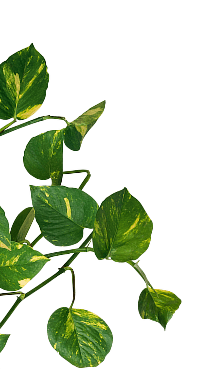
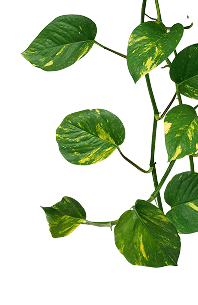
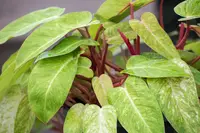
Philodendron 'Painted Lady' is a climbing aroid grown mainly as a decorative houseplant for its colorful, variegated foliage. It typically has mottled yellow-green leaves on pinkish petioles and a compact, upright to vining growth habit.

In nature, similar philodendrons occur in tropical forests of Central and South America, where they climb trees under filtered light. This background makes the plant adaptable indoors but sensitive to strong, direct sun and prolonged dryness.

Its moderate growth rate, tolerance of indoor humidity, and resilience to occasional care mistakes make it manageable for most plant owners. A stable warm environment, airy, well-drained soil, and even moisture are the main foundations of how to care for Philodendron.

Main Plant Requirements

Care Difficulty

Moderate Care

Light Preference

Bright Indirect Light

Water Requirements

Moderate Water

Temperature Preference

Tropical / Frost Sensitive

Hardiness Zone

10–11

Soil Texture

Loamy, Peaty, Organic-rich

Soil pH

Acidic (5.5–6.5), Slightly acidic (6.5–7.0)

Soil Drainage

Moist but well-drained

Fertilization

Light (every 4–6 weeks)

Get Personalized Care Plan

Scan your plant to receive care tips personalized for your specific plant

Available on iOS and Android

How to Care for the Philodendron

This cultivar prefers bright, filtered light that avoids harsh midday sun.

  • Provide 6–8 hours of bright, indirect light daily, such as near an east window with gentle morning sun or under sheer curtains facing south or west.
  • Tolerates light shade, but growth slows and variegation fades if placed deeper than 2–3 m from a bright window or under dense tree canopy outdoors.
  • Avoid direct midday or strong afternoon sun, which can cause yellow patches and crisp leaf edges; increase light gradually at the start of spring.

Watering should keep the root zone lightly moist but never saturated.

  • Allow the top 2–4 cm of soil to dry before watering, checking with a finger rather than following a fixed schedule, especially for Philodendron 'Painted Lady'.
  • In spring and summer, expect to water more often as growth and evaporation increase; in fall and winter, extend the drying period between waterings.
  • Watch for limp, curling leaves and dry soil as signs of underwatering, and for yellowing lower leaves, persistent wetness, or a sour smell as signs of overwatering; always use well-drained soil.

Stable, warm temperatures support consistent growth and healthy foliage.

  • Aim for 70–80°F (21–27°C) for fastest growth, with acceptable conditions between 65–85°F (18–29°C) if temperature swings are gradual.
  • Protect from cold; growth slows below 60°F (16°C), tissue damage may occur under 50°F (10°C), and the plant should never be exposed to frost or freezing conditions.
  • In hot periods above 85°F (29°C), increase air movement and humidity while keeping soil slightly drier, and avoid placing the plant next to heaters, air conditioners, or drafty doors.

This cultivar prefers moderately high humidity but copes with typical indoor levels if not kept too dry.

  • Aim for 50–70% humidity to support steady growth and maintain sharper leaf coloration.
  • It tolerates brief dips to 35–40%, but prolonged very dry air leads to brown leaf edges and curling.
  • Increase humidity with a nearby humidifier, grouped plants, or a pebble tray, rather than misting leaves directly.

Philodendron 'Painted Lady' grows best in a loose, airy, organic-rich potting mix that drains quickly.

  • Use a base of peat- or coco-coir potting mix amended with chunky bark, perlite, and a small amount of compost.
  • Aim for a slightly acidic to neutral pH around 5.5–7.0, which supports nutrient availability and root health.
  • Ensure the mix feels springy and well-aerated so roots get oxygen; large bark and perlite pieces prevent compaction.
  • Avoid heavy garden soil, unamended all-purpose mix, or mixes that stay soggy, as these promote root rot and yellowing leaves.

This species is well suited to container growing due to its manageable root system and climbing habit.

  • Choose a pot that is slightly wider than the root ball to give room for spread without leaving a large volume of unused, wet mix.
  • Select a stable, heavier container or use a cachepot if adding a moss pole, as the vine can become top-heavy.
  • Opt for materials with moderate moisture retention, such as ceramic or thick plastic, to keep the mix evenly moist between waterings.

Balanced feeding supports strong variegation and steady growth in Philodendron 'Painted Lady'.

  • Use a balanced liquid fertilizer (around 10-10-10 or 20-20-20) diluted to 1/4–1/2 strength for container plants.
  • Feed every 4–6 weeks during spring and summer when growth is active.
  • Pause or reduce to 1 light feeding in late fall and winter to match slower growth.
  • Organic options like well-aged compost or a mild slow-release fertilizer can supplement nutrients without overloading roots.

Thoughtful pruning keeps Philodendron 'Painted Lady' compact, tidy, and well-shaped.

  • Best time is late winter to early spring, before vigorous new growth starts.
  • Remove yellowing, dead, or damaged leaves and any leggy stems crowding the plant’s center.
  • Use clean, sharp scissors or pruners, cutting just above a node to encourage branching and fuller growth.
  • Pinch or shorten long vines to control height and direct growth toward a bushier form.

Repotting maintains root health and supports steady growth for this vining aroid.

  • Check for roots circling the pot, growing from drainage holes, or noticeably slowed growth as signs to repot.
  • Plan to move into a pot 2–5 cm wider every 1–2 years, ideally in spring or early summer.
  • Gently loosen circling roots, trim dead portions, and plant in a chunky, well-draining mix to reduce transplant shock.
  • Water thoroughly after repotting, then keep slightly moist and shaded from strong sun for 7–10 days while roots re-establish.

Stem cuttings are the most practical method to increase Philodendron 'Painted Lady' plants.

  • Take 1–2 node stem cuttings in late spring or summer, each with at least 1 healthy leaf and visible node.
  • Root cuttings in water or a moist, airy substrate such as perlite and peat or coco coir.
  • Maintain bright, indirect light, high humidity around 60–80%, and temperatures near 70–80°F for faster rooting.
  • After strong roots form at least 2–3 cm long, pot into well-draining soil and resume normal watering.

This tropical houseplant needs warm, stable indoor conditions during winter in temperate climates.

  • Keep temperatures above 60°F; avoid drafty windows, exterior doors, and unheated rooms.
  • Move outdoor containers indoors before nights reach 55°F, placing them in bright, indirect light.
  • Water less frequently in winter, allowing the top 2–3 cm of soil to dry to prevent root rot.
  • If air drops below 35–40% humidity, use a humidifier or pebble tray to limit leaf browning.

Care Tips

Sturdy climbing support

Install a moss pole or sturdy plastic totem early and secure each new vine node with soft ties so the plant produces larger, flatter leaves with better variegation and less risk of stems snapping under their own weight.

Strategic stem rotation

Every 3–4 weeks, rotate the pot a quarter turn and gently reposition vines along the support so new growth stays evenly lit and the plant does not lean heavily to one side.

Variegation management

When a stem produces several almost all-green leaves in a row, cut back to a node with stable mottled color to encourage future growth that better reflects the cultivar’s usual pattern.

Clean, dry petioles

Regularly wipe petioles and the top of the leaf bases with a slightly damp cloth, then dry them, to remove dust and water pockets where fungal spots and scale insects can establish.

Planned propagation pruning

Once vines become long and bare near the base, take 1–3 node tip or mid-stem cuttings and root them back into the original pot so the plant stays full and you gain backup plants for easier caring for Philodendron over time.

Everything About Philodendron

Common Pests and Diseases

Spider mites

This pest feeds on leaf sap, causing pale speckling, dulling of variegation, and fine webbing on the undersides of leaves and petioles. Symptoms include slowed growth and leaves that feel dry or rough to the touch.

Solution

Rinse foliage thoroughly with lukewarm water, focusing on leaf undersides, then wipe leaves with a soft cloth. For ongoing control, use insecticidal soap or a neem oil spray every 7–10 days and increase ambient humidity to 50–60% while improving air movement around the plant.

Thrips

These insects scrape and suck plant tissues, often distorting new leaves and causing silvery streaks with black specks of frass on the foliage. Symptoms include patchy loss of color on the variegated areas and deformed emerging leaves.

Solution

Isolate the plant, then rinse leaves and stems and remove heavily damaged foliage. Follow with repeated treatments of insecticidal soap or a systemic insect control product labeled for indoor ornamentals, and reduce thrips access by using fine mesh screens and sticky traps placed near the plant.

Bacterial leaf spot

This disease causes water-soaked, translucent patches that turn tan or dark brown, often with yellow halos, starting on lower or crowded leaves. Symptoms include rapidly enlarging spots and a wet or greasy appearance when humidity is high.

Solution

Remove and discard all affected leaves, cutting several cm into healthy tissue, and avoid splashing water on foliage. Improve air circulation, allow the top of the soil to dry slightly between waterings, and disinfect cutting tools with 70% alcohol or a 10% bleach solution after each use to prevent spread.

Fungal leaf blight

This disease produces irregular brown lesions that may merge into larger dead areas, especially on older leaves in low light and stagnant air. Symptoms include yellowing around spots and premature leaf drop on crowded vines.

Solution

Prune out affected leaves, increase light to bright indirect levels, and improve airflow by spacing plants farther apart. If new spots continue to appear, apply a copper-based or other houseplant-safe fungicide according to label directions and avoid overhead watering.

Mealybugs

This pest appears as white, cottony clusters in leaf axils, along petioles, and near nodes, where it sucks sap and excretes sticky honeydew. Symptoms include stunted new growth, yellowing leaves, and sooty mold developing on the honeydew in humid conditions.

Solution

Dab visible insects with cotton swabs dipped in 70% isopropyl alcohol, then gently wash the plant to remove residues. Repeat inspections weekly, and if populations persist, use a neem oil or insecticidal soap spray, ensuring thorough coverage of hidden spots along the climbing stem to support effective Philodendron indoor care.

Interesting Facts

Hybrid jungle parentage

This cultivar is believed to originate from a cross between Philodendron erubescens and a closely related species, which explains its combination of climbing habit, reddish petioles, and mottled chartreuse leaves.

Color linked to light

Its characteristic yellow to chartreuse variegation stays brightest under strong, filtered light; in lower light, new leaves tend to emerge greener and with less speckling, reflecting the plant’s ability to adjust chlorophyll levels.

Juvenile to mature shift

Young plants often have smaller, more rounded foliage, while older vines develop larger, more elongated leaves with more pronounced speckling, showing a common aroid pattern called heteroblasty, which means different leaf forms at different life stages.

FAQs about Philodendron

Brown edges or tips usually come from low humidity, underwatering, or a buildup of fertilizer salts. Check soil moisture, flush the pot occasionally, and avoid placing the plant near heating vents or strong drafts.

Grow Healthy Plants with Botan Care

Keep your plants happy and healthy with plant identification, disease detection, and easy care guidance.
Botan plant care app — identify plants on mobile

Explore More Plants