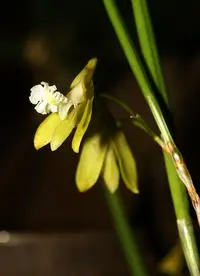
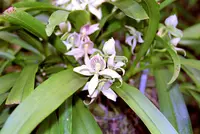
Pampano Care (Calathea lutea)

Pampano

About Pampano

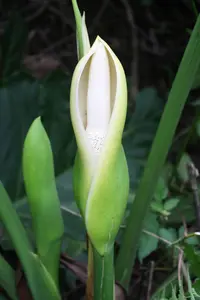
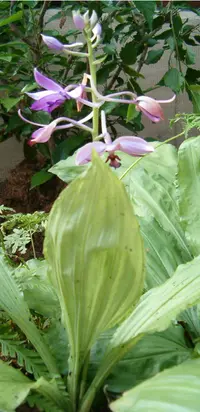
Pampano, Calathea lutea, is a large tropical foliage plant valued for its tall, upright growth and broad, paddle-shaped leaves with a pale underside. In warm climates it often forms dense clumps that give a bold, architectural look in gardens or spacious indoor areas.

This species is native to Central and South America, where it grows in bright but filtered light at the edges of forests. It prefers consistently moist, well-drained soil and stable warmth, which influences how easy it is to keep it looking full and healthy.

Pampano can be moderately demanding, as it reacts to low humidity, cold drafts, or poor watering habits with leaf curl or browning, so learning how to care for Pampano helps maintain its appearance over time.

Main Plant Requirements

Care Difficulty

Moderate Care

Light Preference

Partial Shade

Water Requirements

Keep Soil Moist

Temperature Preference

Tropical / Frost Sensitive

Hardiness Zone

10–12

Soil Texture

Loamy, Peaty, Organic-rich

Soil pH

Acidic (5.5–6.5), Slightly acidic (6.5–7.0)

Soil Drainage

Moist but well-drained

Fertilization

Light (every 4–6 weeks)

Get Personalized Care Plan

Scan your plant to receive care tips personalized for your specific plant

Available on iOS and Android

How to Care for the Pampano

Calathea lutea prefers bright but softened light similar to dappled forest conditions.

  • Provide 4–6 hours of bright, filtered light daily, such as under high tree canopy or under a sheer curtain for Pampano indoor care.
  • Tolerates partial shade (2–4 hours of indirect light), but growth slows and leaves may stretch if the site is too dim.
  • Avoid harsh midday or afternoon sun, which can cause leaf scorch and faded color; morning sun is acceptable in cooler seasons if not intense.

Watering Calathea lutea focuses on steady moisture without saturation.

  • Let the top 2–3 cm of soil dry before watering again; soil below should stay slightly moist, not soggy.
  • In warm, active growth periods, monitor more often and water when leaves start to lose slight firmness; in cooler months, allow a bit more drying time.
  • Yellowing, soft stems suggest overwatering or poor drainage, while crispy leaf edges and curling indicate underwatering or extended dryness.

This species thrives in consistently warm, frost-free conditions.

  • Aim for 65–80°F (18–27°C) for best growth, with stable temperatures and minimal daily swings.
  • Avoid letting temperatures drop below 55°F (13°C); exposure near this level can cause leaf spotting, slowed growth, and root stress.
  • Protect from frost and cold winds outdoors and from hot, drying drafts or prolonged heat above 90°F (32°C), which can scorch leaves and dehydrate the plant.

Calathea lutea prefers consistently high humidity and reacts quickly to dry air.

  • Aim for 60–75% humidity; lower levels slow growth and increase leaf edge problems when caring for Pampano.
  • Crisping, curling, or brown edges on large leaves signal humidity stress rather than only underwatering.
  • Use grouped plants, pebble trays with water below the pot base, or a room humidifier instead of frequent misting.

Calathea lutea grows best in loose, organic-rich, evenly moist but well-drained soil.

  • Use a peat- or coco coir-based mix with added compost, perlite, and fine bark to create a fluffy, moisture-retentive structure.
  • Ensure fast drainage; excess water should flow through freely while the mix still feels slightly damp a few hours after watering.
  • Target a slightly acidic pH of 5.5–6.5, which supports nutrient uptake and reduces the risk of micronutrient lockout.
  • Avoid heavy clay, dense garden soil, or pure compost, which compact around roots, limit oxygen, and promote root rot.

This species is suitable for container growing due to its upright, clumping habit and large leaves.

  • Choose a wide, heavy pot to counterbalance tall foliage and prevent tipping in light wind or when bumped.
  • Select a container depth that allows the rhizomes to sit just below the surface with at least 10–15 cm of root space beneath.
  • Use a pot material with moderate moisture retention, such as thick plastic or glazed ceramic, to keep the mix evenly moist without rapid drying.

Calathea lutea responds well to modest, consistent feeding during active growth.

  • Use a balanced liquid fertilizer (such as 10-10-10 or 20-20-20) diluted to 1/4–1/2 strength to avoid root burn when caring for Pampano.
  • Feed every 4–6 weeks from late spring through early fall when growth is strongest.
  • Suspend or reduce feeding to once in 8–10 weeks during winter or any semi-dormant period.
  • Avoid granular high-salt products; organic options like diluted fish emulsion or compost tea are gentler on roots.

Pruning Calathea lutea is light and mainly for cleanliness and shape control.

  • Best time is late winter or early spring, before strong new growth begins.
  • Use clean, sharp scissors or pruners to remove yellowing, brown, or damaged leaves at the base.
  • Thin out badly crowded stems to improve air flow and maintain an upright, uncluttered clump.
  • Trim only leaf tips with brown edges if the rest of the leaf is healthy, cutting along the natural shape.

Repotting or transplanting is occasional but important to keep this plant vigorous and stable.

  • Look for roots circling the pot, pushing from drainage holes, or noticeably slowed growth as signals to move up.
  • Plan to repot every 2–3 years in spring, using a slightly larger container with rich, well-drained peat-free mix.
  • Water well the day before and after repotting to reduce root stress and help soil settle around roots.
  • Keep the plant shaded, warm, and evenly moist for 1–2 weeks after the move to support recovery.

Propagation of Calathea lutea is usually done by division rather than from seed in home conditions.

  • Divide established clumps in warm spring when new growth starts and the plant is actively rooting.
  • Lift the plant, gently tease the root mass apart, and separate sections with at least 2–3 healthy stems each.
  • Plant divisions into small, snug pots with airy, moist substrate and good drainage.
  • Maintain high humidity, warm temperatures (70–80°F), and indirect light until divisions establish firm new growth.

Winter care focuses on preventing cold damage, since this plant is very frost sensitive.

  • In regions below 50°F, grow in containers that can be moved indoors before night temperatures drop to 55°F.
  • For in-ground plants in mild climates, add a 5–8 cm mulch layer around the root zone to moderate soil temperature.
  • Indoors, keep temperatures 65–80°F, avoid drafts, and reduce watering slightly while maintaining evenly moist soil.

Care Tips

Sturdy container choice

Use a wide, heavy pot (terracotta or thick-walled plastic) to counterbalance the tall foliage and reduce the risk of the plant toppling as stems elongate and leaves enlarge.

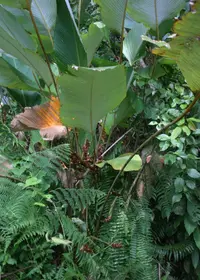
Wind management outdoors

If grown outside, place the plant where it is shielded from strong, drying winds or use a windbreak such as a fence or hedge to prevent leaf tearing and stem breakage.

Periodic leaf support

Install discreet bamboo stakes or a low plant hoop around the clump and loosely tie taller stalks with soft ties to keep them upright as they reach 1.5–3 m in height.

Salt and mineral control

Every 2–3 months, flush the pot thoroughly with clean, lukewarm water until it drains freely to remove built-up salts that can cause brown leaf edges on this species.

Gradual relocation routine

When moving the plant between indoor and outdoor positions or between rooms, shift it over 7–10 days in small steps to reduce stress and leaf drop while caring for Pampano.

Common Pests and Diseases

Spider mites

This pest thrives in warm, dry indoor air and commonly causes stippled, faded patches on the large leaves, sometimes with fine webbing on the undersides. Symptoms include curling leaf margins and a dull, dusty appearance on the foliage.

Solution

Rinse both sides of the leaves thoroughly with lukewarm water, repeating every few days for 1–2 weeks, and increase humidity to above 50%. For persistent infestations, use insecticidal soap or a neem oil solution on all leaf surfaces, and isolate the plant from others until new growth appears clean.

Thrips

These insects feed by scraping and sucking sap, leaving silvery streaks, distorted new leaves, and black specks of frass along the midrib and leaf bases. Damage is often most visible on young rolled leaves as they unfurl in Calathea lutea.

Solution

Prune and discard heavily damaged leaves, then shower the plant to remove as many insects as possible. Follow with targeted treatment using insecticidal soap or neem oil every 5–7 days for several cycles, and reduce plant stress by keeping temperature stable and avoiding direct sun scorch, which favors thrips buildup when caring for Pampano.

Fungal leaf spot

This disease causes small water-soaked spots on leaves that enlarge into brown or tan lesions, often with yellow halos along the broad leaf blades. Symptoms include irregular patches that may join together, making sections of the leaf dry and brittle.

Solution

Remove and discard affected leaves, avoid wetting the foliage during watering, and improve air movement around the plant without exposing it to drafts. If new spots continue to appear, apply a copper-based or other labeled ornamental foliar fungicide according to directions, and space plants so leaves do not constantly touch when wet.

Bacterial leaf blight

This disease develops as translucent, greasy-looking areas that quickly turn dark brown and may ooze slightly along veins and leaf edges. Symptoms include rapid spread in warm, overly wet conditions and a foul odor from severely affected tissue.

Solution

Cut off and discard all affected leaves using sterilized tools, then reduce overhead misting and avoid water standing in the leaf axils. Allow the top layer of soil to dry slightly between waterings, increase air circulation, and if the plant is badly affected, consider propagating from healthy sections and discarding the original plant to prevent spread.

Mealybugs

These insects appear as white, cottony clusters in leaf axils, along the midrib, and near the base of the stems, sucking sap and weakening the plant. Symptoms include sticky honeydew, sooty mold growth on leaves, and slowed or distorted new growth on the tall foliage shoots.

Solution

Physically remove visible insects with cotton swabs dipped in isopropyl alcohol, then rinse the plant to dislodge remaining pests. Repeat treatments with insecticidal soap or neem oil every 7–10 days until no new mealybugs appear, and inspect nearby plants to stop reinfestation.

Interesting Facts

Large paddle leaves

This species develops unusually large, upright paddle-shaped leaves for a calathea, often forming a tall, fan-like clump that can resemble a small banana plant in structure.

Waxy white bloom coating

Leaf sheaths and young stems are covered with a pale, waxy bloom that helps repel water and gives the plant a slightly bluish or whitish cast in strong light.

Native coastal habitats

In the wild, this plant often grows along tropical riverbanks and coastal lowlands in Central and South America, where it tolerates wind and salt-laden air better than most shade-loving marant relatives.

Botan icon

Did you know?

In parts of its native range, the large, durable leaves of Calathea lutea are traditionally used as natural wrappers for food and as roofing material, because they are broad, flexible, and slow to degrade when dried.

FAQs about Pampano

Leaf curling usually results from low humidity, underwatering, or exposure to cold drafts. Check that the potting mix stays lightly moist, raise humidity to around 50–70%, and keep the plant away from air conditioning or heating vents.

Grow Healthy Plants with Botan Care

Keep your plants happy and healthy with plant identification, disease detection, and easy care guidance.


Botan plant care app — identify plants on mobile

Explore More Plants