bonsai mint Care (Plectranthus ernstii)

bonsai mint

About bonsai mint

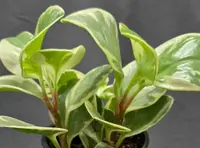
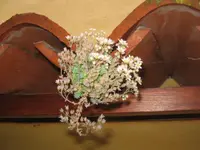
Bonsai mint, Plectranthus ernstii, is a compact succulent shrub grown for its thick, knobbly trunk and small, fragrant leaves. It is often trained as a miniature tree, which makes it popular among bonsai enthusiasts.

In nature it comes from South Africa, where it grows in rocky, well-drained habitats. Its swollen base stores water, so it tolerates short dry periods better than many other mint relatives.

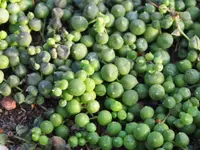
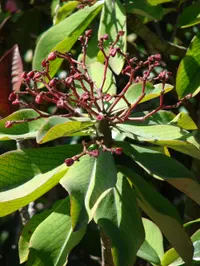
This species usually stays small, with a gnarled, woody form and softly textured, rounded foliage. These traits, combined with its forgiving nature, make it a good choice for those learning how to care for bonsai mint.

It prefers bright light, moderate watering, and sharply drained soil that does not stay wet for long periods.

Main Plant Requirements

Care Difficulty

Easy Care

Light Preference

Partial Sun

Water Requirements

Moderate Water

Temperature Preference

Tropical / Frost Sensitive

Hardiness Zone

10–11

Soil Texture

Sandy, Loamy, Organic-rich

Soil pH

Acidic (5.5–6.5), Slightly acidic (6.5–7.0)

Soil Drainage

Well-drained

Fertilization

Light (every 4–6 weeks)

Get Personalized Care Plan

Scan your plant to receive care tips personalized for your specific plant

Available on iOS and Android

How to Care for the bonsai mint

Plectranthus ernstii prefers bright, indirect light with some gentle direct sun each day.

  • Provide 3–5 hours of soft morning sun, then bright filtered light; protect from strong midday and afternoon sun to prevent leaf scorch.
  • This species tolerates light shade, but very low light leads to stretched, weak growth and sparse foliage on bonsai mint.
  • In summer, give dappled light outdoors; in winter, move to the brightest spot available or supplement with a grow light for 10–12 hours.

Water Plectranthus ernstii in a way that respects its thick, water-storing stems and need for air around the roots.

  • Let the top 2–4 cm of soil dry before watering, then soak thoroughly so excess drains freely from the pot or bed.
  • In spring and summer, expect to water more often as growth is active; in autumn and winter, extend drying time between waterings.
  • Watch for puckering, soft leaves, or droop as signs of underwatering; yellowing, mushy stems, or sour-smelling soil indicate overwatering.

This species grows best in mild, frost-free conditions with stable temperatures.

  • Aim for 65–80°F (18–27°C) for active growth, avoiding rapid swings that can stress the plant and slow new shoots.
  • Protect it from cold; growth slows below 55°F (13°C) and tissue damage occurs around 32°F (0°C) or during frost.
  • It tolerates short heat spells up to about 90°F (32°C) if shaded and well hydrated, but prolonged extreme heat reduces vigor.

This succulent-like species manages well in typical indoor humidity.

  • Aim for 30–50% humidity; avoid constantly damp, stagnant air around bonsai mint.
  • It tolerates dry air if soil moisture is stable, but very hot, dry drafts may cause leaf curl or tip browning.
  • Increase local humidity by grouping pots or placing a tray of water and pebbles nearby rather than misting foliage.

This species prefers a very free-draining, airy mix that mimics a rocky, organic substrate.

  • Use a loose, gritty mix such as 40% cactus mix, 40% pumice or perlite, and 20% fine bark or compost for Plectranthus ernstii.
  • Ensure rapid drainage; water should flow through in seconds, leaving the mix moist but never waterlogged.
  • Keep pH slightly acidic to neutral, around 6.0–7.0, which supports nutrient uptake without causing toxicity.
  • Avoid dense peat-only mixes, heavy clay, or compacted potting soil, which restrict aeration and promote root rot.

This species is well suited to container culture, including small bonsai-style pots.

  • Choose a shallow but wide pot so the swollen base is visible while roots can spread laterally without crowding.
  • Use unglazed terracotta if extra evaporation is needed, or glazed ceramic in very dry climates to slow moisture loss.
  • Select a low, stable container shape that resists tipping as the thickened base and branching canopy gain weight.

Plectranthus ernstii benefits from modest, controlled feeding to support compact growth without forcing soft, weak tissue.

  • Use a balanced liquid fertilizer (around 10-10-10 or 20-20-20) diluted to 1/4–1/2 strength for bonsai mint indoor care.
  • Feed every 3–4 weeks during spring and summer when growth is active.
  • Suspend or reduce feeding to 1 light application in midwinter if growth slows under cool, low-light conditions.
  • Avoid heavy compost or strong slow-release pellets in small pots, which can cause salt buildup and root burn.

Pruning helps Plectranthus ernstii maintain a compact, sculpted form and encourages branching.

  • Carry out main shaping in late winter or early spring before vigorous new growth starts.
  • Remove dead, damaged, or overcrowded stems with clean, sharp scissors or small pruning shears.
  • Shorten long, leggy shoots to just above a node to stimulate denser side branching and a thicker trunk over time.
  • Pinch soft tips lightly through the growing season to refine shape and control size without stressing the plant.

Container-grown plants appreciate periodic repotting to refresh the substrate and prevent root congestion.

  • Check for roots circling the pot, pushing through drainage holes, or unexplained slow growth as cues to repot.
  • Plan repotting every 2–3 years in late winter or early spring, just before strong new growth begins.
  • Move to a slightly larger pot with fresh, free-draining mix, keeping the woody caudex at the same soil level.
  • Trim only lightly damaged roots, water thoroughly once, then keep in bright, indirect light while the root system re-establishes.

New Plectranthus ernstii plants are most commonly produced from stem cuttings taken during the active season.

  • Take 6–8 cm semi-ripe stem cuttings in late spring or summer, removing the lower leaves.
  • Insert cuttings into a moist, free-draining medium such as 50% perlite and 50% seed compost or similar mix.
  • Maintain gentle bottom warmth if possible, high humidity, and bright, indirect light until roots form.
  • Once rooted, pot on into small containers, gradually reducing humidity and avoiding overwatering while growth strengthens.

Cool, frost-free winter conditions suit this species, which is not tolerant of freezing temperatures.

  • Keep plants above 40–45°F; even brief frosts can damage the succulent caudex and stems.
  • Move container specimens indoors or into a greenhouse before night temperatures drop near 45°F.
  • Water sparingly in winter, allowing the mix to dry more between waterings to prevent root rot in cooler conditions.
  • Provide as much bright light as possible indoors to limit stretching and foliage yellowing during short days.

Care Tips

Root pruning timing

Perform light root pruning only in late spring, just as new growth begins, and immediately repot into a slightly wider, shallow pot so the plant can recover during the active growing season.

Encourage caudex thickening

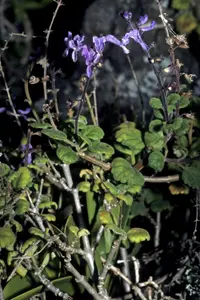
Allow the plant to grow slightly pot-bound and avoid frequent repotting, as this mild restriction encourages the swollen stem base (caudex) to thicken and develop a more attractive bonsai-like form.

Branch wiring caution

If shaping the plant with wire, use soft aluminum wire, wrap loosely, and check every 1–2 weeks so the fast-growing young stems do not scar or girdle under the wire.

Seasonal rest management

During winter, reduce disturbance, avoid repotting, and trim only dead or weak shoots so the plant can complete its natural semi-dormant phase without unnecessary stress.

Fungal prevention airflow

Place the plant where there is gentle air movement and avoid crowding it among dense foliage, as improved airflow around the caudex and soil surface helps prevent stem rot and fungal spotting when growing bonsai mint.

Common Pests and Diseases

Mealybugs

This pest often settles in leaf axils and along thick, bonsai-like stems, sucking sap and leaving cottony white clusters. Symptoms include sticky honeydew on leaves and slowed growth, especially in dense, compact plants.

Solution

Isolate the plant, then remove visible mealybugs with a cotton swab dipped in 70% isopropyl alcohol and rinse the plant gently. Improve light and airflow, reduce excess nitrogen fertilization, and repeat alcohol swab or insecticidal soap treatments weekly until no new insects appear.

Aphids

These insects favor tender new shoots and succulent leaves, extracting sap and causing curling, distortion, and sticky honeydew deposits. On compact Plectranthus ernstii, infestations often hide under leaves and around branching nodes.

Solution

Spray the plant with a firm stream of lukewarm water to dislodge aphids, then treat remaining clusters with insecticidal soap or a neem oil solution, covering leaf undersides. Repeat every 5–7 days for several cycles and prune heavily infested shoot tips to keep populations down.

Spider mites

This pest thrives in warm, dry indoor air, causing fine speckling on leaves, dull color, and delicate webbing around nodes and between leaves. Symptoms include gradual leaf yellowing and drop, especially when humidity is low and the plant is kept very warm.

Solution

Shower the plant thoroughly to wash off mites, then apply insecticidal soap or a horticultural oil, ensuring full coverage of leaf undersides and stems. Increase humidity slightly, avoid placing the plant near heating vents, and check with a hand lens weekly to catch early reinfestations.

Botrytis blight

This disease appears as soft, water-soaked patches on fleshy stems or leaves, followed by gray, fuzzy mold under cool, humid, and poorly ventilated conditions. Symptoms include collapsing shoots and spotting where dead leaves or flowers remain in the canopy.

Solution

Remove and discard all affected tissues and any dead plant material from the soil surface, then improve airflow and avoid overhead watering or frequent misting. Allow the soil surface to dry between waterings and, in severe or persistent cases, use a fungicide labeled for Botrytis on ornamental plants, following the instructions closely.

Oedema

This disorder occurs when roots absorb water faster than leaves can transpire, leading to corky, blister-like bumps or rough patches on succulent leaves and stems. Symptoms include localized scarring but usually minimal spreading once conditions stabilize.

Solution

Reduce watering frequency, ensure the potting mix drains very well, and avoid keeping the plant in cool, low-light conditions while the soil stays wet. Provide bright light, moderate temperatures, and a slightly drier cycle, and damaged tissues can be pruned for appearance if desired.

Interesting Facts

Miniature caudiciform shrub

This species develops a swollen, woody stem base (caudex) that stores water, giving it a bonsai-like appearance despite being a true shrub rather than a tree.

Cliff-dwelling specialist

In its native range in South Africa, it often grows on rocky cliffs and ledges, anchoring in crevices where drainage is extremely sharp and soil is minimal.

Aromatic succulent foliage

Its thick, semi-succulent leaves are aromatic when touched or bruised, combining drought-adapted leaf structure with the scented foliage typical of many Plectranthus species.

Botan icon

Did you know?

This plant is sometimes used as a model for bonsai-style training of soft-wooded, caudiciform species, because its naturally thickened stem and compact growth habit allow a miniature tree-like form to develop relatively quickly compared with woody trees.

FAQs about bonsai mint

Lack of flowers usually comes from insufficient light, heavy feeding with high-nitrogen fertilizer, or pruning off developing spikes. Provide bright conditions, avoid excess fertilizer, and trim only after flowering stems fade to encourage the next cycle.

Grow Healthy Plants with Botan Care

Keep your plants happy and healthy with plant identification, disease detection, and easy care guidance.

Botan plant care app — identify plants on mobile

Explore More Plants