Aeonium simsii Care

Aeonium simsii

About Aeonium simsii

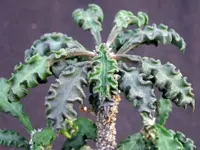
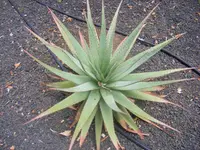
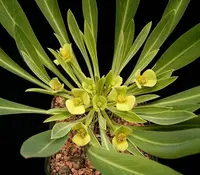
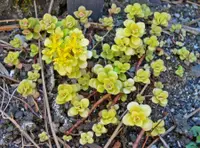
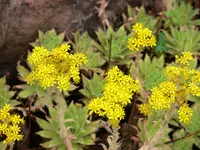
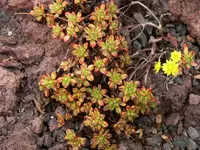
Aeonium simsii is a small, rosette-forming succulent from the Canary Islands. It typically grows low and compact, with narrow, pointed leaves that form dense clusters. Leaf color ranges from green to slightly reddish at the tips, especially in strong light. The plant may produce tall flower stalks with yellow star-shaped blooms when mature. This species suits growers who prefer a structured, tidy plant with a moderate growth rate. It is generally considered manageable for beginners who learn how to care for Aeonium simsii, as long as it receives bright light, well-drained soil, and protection from prolonged frost or excessive summer heat.

Main Plant Requirements

Care Difficulty

Moderate Care

Light Preference

Partial Sun

Water Requirements

Low Water

Temperature Preference

Warm Climate

Hardiness Zone

9–11

Soil Texture

Sandy, Loamy, Rocky

Soil pH

Slightly acidic (6.5–7.0), Neutral (7.0)

Soil Drainage

Well-drained

Fertilization

Minimal (feed rarely)

Get Personalized Care Plan

Scan your plant to receive care tips personalized for your specific plant

Available on iOS and Android

How to Care for the Aeonium simsii

This compact succulent prefers bright, soft sun to maintain its tight rosettes and coloring.

  • Provide 4–6 hours of morning sun or bright filtered light; protect from harsh sun between 11 a.m. and 3 p.m., especially in summer.
  • Aeonium simsii tolerates light partial shade, but in too little light rosettes stretch, lose color, and leaves may thin.
  • In hot climates, give more shade in summer and slightly more sun in cooler months to balance growth and prevent scorch.

This species prefers deep, infrequent watering with thorough drying in between.

  • Water only when the top 3–5 cm of soil are completely dry; use a finger test rather than a fixed schedule.
  • Ensure sharply draining, gritty soil so water runs through quickly; roots sitting in soggy soil develop rot and leaves may turn mushy or translucent.
  • In active growth, leaves wrinkling and folding inward signal thirst, while yellowing, dropping lower leaves and a sour soil smell suggest overwatering for Aeonium simsii.

This succulent favors mild, frost-free conditions with cooler nights.

  • Aim for 60–75°F (16–24°C) for strongest growth; brief dips slightly below or above are usually tolerated if soil is dry.
  • Protect from frost; prolonged exposure below 32°F (0°C) damages tissues, and below 25°F (−4°C) plants may die, especially in wet soil.
  • In hot periods above 90°F (32°C), growth often slows or pauses; provide afternoon shade and good airflow to limit heat stress and sunburn.

This succulent handles typical indoor humidity but prefers air on the dry side.

  • Aim for 30–50% humidity; avoid placing Aeonium simsii in persistently humid rooms like bathrooms.
  • Dry indoor air is tolerated, but prolonged heat plus very low humidity can cause leaf edges to brown and curl.
  • Increase humidity slightly only during very hot, dry spells by placing a water tray nearby, never by misting the rosettes.

Aeonium simsii needs sharply draining, airy soil to protect its roots from excess moisture.

  • Use a gritty, sandy mix such as 50–70% mineral components (pumice, perlite, coarse sand) with the rest light potting soil.
  • Keep structure loose and crumbly so water drains within seconds and the mix dries within 2–4 days.
  • Aim for slightly acidic to neutral pH, around 6.0–7.0, which suits most general potting substrates.
  • Avoid compact, peat-heavy, or clay-based soils that stay wet, and add extra perlite or pumice to improve aeration.

This species is well suited to container growing when drainage and stability are managed carefully.

  • Choose a pot only 2–3 cm wider than the root ball to prevent excess unused mix from retaining moisture around the roots.
  • Select a container material that matches your climate: porous terracotta for cooler, damp regions and glazed clay or plastic in very hot, dry areas.
  • Stabilize shallow, wide pots with a layer of coarse gravel at the base so the top growth does not tip the container in windy spots.

This compact succulent benefits from modest feeding in active growth but suffers if nutrients are excessive.

  • Use a diluted balanced liquid fertilizer (around 10-10-10 or 20-20-20 at 1/4 strength) in well-watered soil.
  • Feed Aeonium simsii every 4–6 weeks during its main growing season, usually fall to spring in mild climates.
  • Skip compost-heavy mixes; instead, use low-organic, cactus-formula nutrients to avoid root rot.
  • Stop feeding in hot, dormant summer or in midwinter for indoor plants, resuming only when clear new growth appears.

Pruning is light but useful to maintain shape and remove weakened growth.

  • Best timing is late winter to early spring, just before or as new growth starts.
  • Use clean, sharp scissors or pruning snips to remove dead, damaged, or shriveled rosettes and stems.
  • Thin congested branches to improve light penetration and air flow, keeping rosettes compact and well shaped.
  • Cut flowering stems back to a healthy node once they fade, encouraging side shoots rather than tall, bare stalks.

This species prefers slightly tight conditions and only needs repotting when growth or drainage decline.

  • Check for roots circling the pot, slow growth despite good light, or water sitting on the surface as signs to repot.
  • Repot every 2–3 years in late winter or early spring, using a fast-draining cactus or succulent mix.
  • Move only 1 pot size up to limit excess moisture around the roots and reduce transplant shock.
  • Loosen outer roots gently, keep the root ball mostly intact, and water lightly after repotting, then allow the mix to dry before the next watering.

This plant is commonly multiplied from stem and rosette cuttings under warm, bright, dry-leaning conditions.

  • Take non-flowering stem or rosette cuttings in late winter to late spring when growth is active.
  • Allow cut surfaces to callus for 1–3 days, then place on or in a gritty, barely moist cactus mix.
  • Provide bright, indirect light, 65–75°F, and very light watering until roots form over several weeks.
  • Sow seeds on the surface of sterile, fine mix in spring, keeping conditions warm and slightly moist but never wet.

Cold sensitivity means plants in many regions need some structured winter protection.

  • Aeonium simsii is not frost hardy; sustained temperatures below 32°F can damage foliage and stems.
  • Move container plants indoors or into a cool, bright, frost-free space before the first hard freeze.
  • Use a light, dry mulch around outdoor plants in mild climates to insulate the root zone.
  • Water sparingly in winter so cool, wet soil does not cause root rot, and ensure excellent drainage.

Care Tips

Rotate rosettes

Turn the pot 90° every 1–2 weeks during active growth so rosettes develop evenly and do not lean or stretch toward one light source.

Refresh top dressing

Apply a 0.5–1 cm layer of decorative gravel or pumice on the soil surface to keep lower leaves dry, reduce fungus gnat activity, and improve air movement around the crown.

Seasonal resting care

During the plant’s summer rest, reduce handling and avoid repotting or heavy grooming, as roots are less active and more prone to damage.

Use shallow containers

Choose a wide, shallow pot to encourage a low, compact cluster of rosettes and reduce the risk of the mix staying wet around the roots.

Monitor offsets removal

When caring for Aeonium simsii, remove offsets only once they show several leaf pairs and a clear stem, then allow cut surfaces to dry for 2–3 days before replanting to lower rot risk.

Common Pests and Diseases

Aloe mite

This pest causes distorted, swollen, or bumpy growth on rosettes and stems, often forming rough galls or tumor-like tissue. Symptoms include stunted new leaves and abnormal clustering of rosettes.

Solution

Remove and discard all visibly affected rosettes and stems, cutting well back into healthy tissue and disposing of waste in the trash, not compost. Isolate the plant, then apply a sulfur-based or miticide product labeled for eriophyid mites according to directions, and avoid overhead watering to limit spread when growing Aeonium simsii in collections.

Mealybugs

These insects appear as small white cottony clusters in leaf axils, under leaves, and near the stem base, often causing yellowing and weakening of rosettes. This pest also excretes sticky honeydew that can lead to sooty mold on leaves.

Solution

Isolate the plant and dab visible insects with cotton swabs dipped in 70% isopropyl alcohol, then rinse the plant gently after treatment. For persistent infestations, use a systemic insecticide or insecticidal soap labeled for succulents and repeat treatments every 7–10 days until no new mealybugs appear, checking especially tight rosette centers and the crown area.

Snails and slugs

These pests chew irregular holes in leaves, especially on lower or outer rosettes, and may leave silvery slime trails on or around the pots. This damage is more common in outdoor plantings or during cool, damp conditions.

Solution

Hand-pick snails and slugs at dusk or early morning and remove nearby hiding spots such as boards, dense groundcover, or debris. Use iron phosphate-based slug pellets, copper tape around pots, or physical barriers, and keep the top of the soil slightly drier to make conditions less favorable around the plant base.

Powdery mildew

This disease produces white, powdery patches on leaves and stems, which can cause dull, distorted foliage and reduced vigor. Symptoms include lesions that spread across rosettes, especially in humid or crowded conditions with poor air movement.

Solution

Improve airflow, provide more direct sun within the plant’s tolerance, and avoid overhead watering late in the day. Remove heavily affected leaves and use a sulfur-based fungicide or a potassium bicarbonate product labeled for powdery mildew, applying according to directions and repeating until new growth remains clean.

Soft scale

These insects look like small, tan to brown bumps attached firmly to stems and sometimes leaf bases and can cause yellowing leaves and sticky honeydew. This pest often hides along the lower stem and under tightly packed rosettes, weakening the plant over time.

Solution

Gently scrape or wipe off visible scales with a soft cloth or toothbrush dipped in 70% isopropyl alcohol, then rinse the plant. For ongoing problems, apply a systemic insecticide suitable for succulents or horticultural oil during cooler parts of the day, repeating as needed and monitoring regularly for reinfestation along stems and at the base of rosettes.

Interesting Facts

Low‑growing rosette habit

This species naturally forms small, flat rosettes that hug the ground, an adaptation to its exposed, windy volcanic habitats in the Canary Islands, which helps reduce water loss and mechanical damage.

Summer resting phase

Unlike many temperate plants, this Canary Islands succulent slows growth or becomes semi‑dormant in the hot, dry summer and resumes active growth in cooler, moister seasons, reflecting its adaptation to a Mediterranean‑type climate.

Distinctively ciliated leaves

The narrow green leaves often show fine marginal cilia, or tiny hair‑like structures, which give the rosettes a subtly fuzzy outline and may help trap moisture at the leaf edges when growing Aeonium simsii in its native habitat.

FAQs about Aeonium simsii

This species blooms when rosettes are mature and have stored enough energy, usually after several years. Crowding, frequent repotting, or stress from heat, cold, or nutrient-poor conditions can delay flowering. Patient, stable conditions support normal bloom cycles.

Grow Healthy Plants with Botan Care

Keep your plants happy and healthy with plant identification, disease detection, and easy care guidance.

Botan plant care app — identify plants on mobile

Explore More Plants