Aeonium sedifolium Care

Aeonium sedifolium

About Aeonium sedifolium

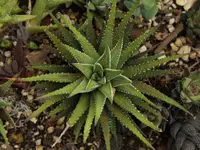
Aeonium sedifolium is a small, shrubby succulent from the Canary Islands, valued for its compact rosettes and branching growth. It stays relatively low and forms tidy clumps over time.

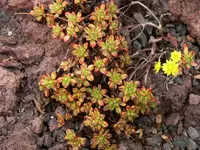
Leaves are small, often speckled, and can turn reddish at the edges in strong light, giving the plant a colorful, textured look. In mature plants, yellow star-shaped flowers appear in clusters.

This species is adapted to bright, dry, rocky habitats, which makes it suitable for sunny windowsills and well-drained containers. Its drought tolerance and slow growth generally make it straightforward for those learning how to care for Aeonium sedifolium.

It prefers bright light, low to moderate watering, and gritty, fast-draining soil to stay healthy and avoid root problems.

Main Plant Requirements

Care Difficulty

Moderate Care

Light Preference

Full Sun

Water Requirements

Low Water

Temperature Preference

Tropical / Frost Sensitive

Hardiness Zone

10–11

Soil Texture

Sandy, Loamy, Rocky

Soil pH

Slightly acidic (6.5–7.0), Neutral (7.0)

Soil Drainage

Well-drained

Fertilization

Minimal (feed rarely)

Get Personalized Care Plan

Scan your plant to receive care tips personalized for your specific plant

Available on iOS and Android

How to Care for the Aeonium sedifolium

This compact succulent prefers bright, gentle sun with some protection from intense midday rays.

  • Provide 4–6 hours of direct morning sun plus bright, filtered light for the rest of the day to keep Aeonium sedifolium compact and colorful.
  • Allow light afternoon shade, especially in hot climates; strong summer sun can scorch leaves and cause pale, dry patches.
  • In winter, maximize light with unobstructed sun where possible, since low light for weeks leads to weak, stretched growth and dull foliage.

This species needs infrequent, thorough watering in fast-draining soil.

  • Water only when the top 3–5 cm of soil is completely dry; in active growth this may be every 7–14 days, but always check the soil first.
  • Use gritty, sharply draining soil so water runs through quickly and roots do not sit wet, reducing risk of rot and leaf yellowing from overwatering.
  • Reduce watering in summer dormancy and in winter; slight leaf wrinkling signals dryness, while mushy stems or a sour smell suggest excess moisture.

This plant favors mild, frost-free conditions with moderate summer heat.

  • Aim for 60–75°F (16–24°C) for steady growth, as this range supports firm leaves and compact rosettes.
  • Protect from frost; brief drops to 32°F (0°C) may damage foliage, and temperatures below 28°F (-2°C) can kill tissues, especially in wet soil.
  • Tolerate short heat spells up to about 90–95°F (32–35°C) if soil is slightly dry and the plant has light afternoon shade to limit stress and sunburn.

This succulent handles typical indoor humidity well and rarely needs special adjustment.

  • Ideal humidity is 30–50% to keep foliage firm and reduce rot risk.
  • Tolerates dry air from heating or air conditioning, but avoid humid, stagnant rooms.
  • Signs of excess humidity stress include soft, mushy leaves and dark stem spots; increase air movement and reduce watering.

Aeonium sedifolium prefers a very free-draining, gritty substrate that dries rapidly between waterings.

  • Use a cactus/succulent mix amended with extra mineral grit, such as 30–50% pumice, perlite, or coarse sand, to prevent waterlogging.
  • Aim for a lean, sandy to sandy-loam texture with only a small amount of organic matter to limit moisture retention.
  • Keep pH slightly acidic to neutral (pH 6.0–7.0), which supports healthy root function and nutrient uptake.
  • Avoid dense potting soil, clay-heavy mixes, or any medium that stays wet for more than 2–3 days, as this encourages root rot.

This species is well suited to container growing for precise control of drainage and light exposure.

  • Choose a wide, shallow pot that matches the plant’s spreading, fibrous root system and prevents excess wet depth of soil.
  • Select unglazed terracotta if extra evaporation is needed in humid or cool climates, or plastic if moisture dries too quickly outdoors.
  • Elevate the pot on feet or a stand so drainage holes stay clear and water can exit quickly after heavy rain or deep watering.

This compact succulent benefits from light feeding but grows acceptably in lean, well-drained soil.

  • Use a diluted balanced liquid fertilizer (around 10-10-10 or 20-20-20 at 1/4 strength) in spring and early summer.
  • Feed Aeonium sedifolium every 4–6 weeks during active growth if container-grown; garden plants often need less.
  • Avoid high-nitrogen lawn or shrub products that promote weak, elongated growth.
  • Stop feeding in late summer and through winter dormancy to prevent soft, damage-prone tissue.

Pruning is minimal but helps maintain shape, remove damage, and keep rosettes well-lit.

  • In late winter or very early spring, remove dead or shriveled rosettes using clean, sharp scissors or pruners.
  • Cut back damaged or leggy stems just above a node to encourage branching and a denser form in Aeonium sedifolium.
  • Thin crowded stems so remaining rosettes receive good light and air movement, reducing rot risk.
  • Disinfect tools before and after use to limit disease spread between plants.

This species grows slowly and does not require frequent repotting when kept in a free-draining mix.

  • Repot every 2–3 years or when roots circle the pot, water runs straight through, or growth becomes stunted.
  • Plan repotting for late winter to early spring, just before strong new growth begins.
  • Use a shallow pot with drainage holes and a gritty cactus–succulent mix to limit root rot stress.
  • Handle the root ball gently, tease circling roots slightly, then keep soil barely moist for 7–10 days after repotting.

Propagation is commonly done from stem cuttings, with seeds used less often for home growing.

  • Take short, healthy stem cuttings with attached rosettes in late spring or early summer from Aeonium sedifolium.
  • Allow cut ends to callus in a dry, bright place for 3–5 days before planting in a gritty, barely moist mix.
  • Provide bright indirect light, 65–75°F temperatures, and very light watering until roots develop.
  • For seed propagation, sow on the surface of a sterile, sandy mix and keep slightly moist and warm until germination.

This succulent is frost-tender and needs protection in regions with freezing winters.

  • Move container plants indoors or to a bright, frost-free porch when temperatures approach 32°F.
  • Outdoors in mild climates, plant in raised, very well-drained sites and mulch lightly around, not over, the crown.
  • Keep soil almost dry in winter, watering sparingly to avoid root and stem rot in cool conditions.

Care Tips

Rotate for symmetry

Turn the pot 90° every 1–2 weeks so the rosettes develop evenly and do not lean or stretch toward the strongest light source.

Control winter moisture

In cool, low-light winter conditions, reduce both watering volume and frequency and ensure excess water drains immediately to prevent root rot during the plant’s semi-dormant phase.

Use top dressing

Apply a 0.5–1 cm layer of decorative gravel or coarse sand on the soil surface to keep lower leaves dry, reduce fungus gnat breeding, and stabilize the plant’s shallow root zone.

Monitor stem lignification

Check occasionally that older stems are firm and woody rather than soft; prune back any persistently mushy or collapsing stems to healthy tissue to stop rot from spreading.

Plan repot timing

Schedule repotting or division at the start of the active growing season and keep the plant slightly drier for 5–7 days afterward to allow any minor root damage to heal before normal watering resumes, which supports long-term Aeonium sedifolium plant care.

Common Pests and Diseases

Mealybugs

This pest feeds on succulent leaves and stems, appearing as white cottony clusters in leaf axils and along stems. Symptoms include sticky honeydew, slowed growth, and occasional leaf distortion.

Solution

Isolate the plant, then dab visible insects with cotton swabs dipped in 70% isopropyl alcohol and gently wipe affected areas. Improve light and air movement, and repeat alcohol treatments weekly; for larger infestations use a ready-to-use insecticidal soap, thoroughly coating crevices and undersides of rosettes.

Aphids

These insects often cluster on tender new growth and flowering stems, sucking sap and causing curling, distortion, or stunted shoots. Sticky honeydew can encourage sooty mold on leaves and stems.

Solution

Rinse colonies off with a firm stream of water, supporting the rosettes to avoid damage. If populations persist, apply insecticidal soap or a neem oil spray in the early morning or evening, ensuring full coverage of young shoots and repeating every 5–7 days until controlled.

Soft scale

This pest appears as small, rounded or oval bumps on stems and sometimes leaf undersides, remaining fixed in place. Symptoms include yellowing patches, reduced vigor, and sticky secretions that may attract ants.

Solution

Gently scrape or wipe off individual scales with a cotton swab or soft cloth dipped in 70% isopropyl alcohol. For heavier infestations, use a horticultural oil or neem oil spray, focusing on stems and hidden joints, and repeat treatments over several weeks to target newly hatched crawlers.

Fungal leaf spots

This disease causes small brown to black spots on leaves, sometimes with a yellow halo, often starting on lower or crowded rosettes. Symptoms include premature leaf drop and a generally untidy, thinned plant canopy.

Solution

Remove and discard affected leaves and any fallen debris, then ensure the plant is in bright, airy conditions with good spacing between rosettes. Keep foliage dry by watering at the soil level and, if spots continue to spread, apply a labeled copper- or sulfur-based fungicide according to instructions.

Crown and stem rot

This disease develops in the central rosette or lower stems under conditions of prolonged moisture and poor drainage, leading to blackened, mushy tissue at the base. Symptoms include sudden collapse of rosettes and a foul odor from decaying tissue.

Solution

At the first signs, reduce watering immediately and improve drainage by using a very gritty succulent mix and a pot with large drainage holes. Remove and discard all soft, rotting sections; if any firm, healthy stems remain, take cuttings from unaffected tissue and re-root them in fresh, dry substrate as part of careful Aeonium sedifolium care instructions.

Interesting Facts

Seasonal color shift

This species develops intense red and copper tones on its tiny rosettes when exposed to strong light and seasonal drought, while remaining predominantly green in gentler conditions.

Tiny pinecone rosettes

Its small, overlapping leaves form tight rosettes that resemble miniature pinecones, a compact form that helps reduce water loss in its native dry habitats.

Canary Island endemic

Aeonium sedifolium occurs naturally only on several of the Canary Islands, where it grows on rocky slopes and open, sun-exposed sites in mild coastal climates.

Botan icon

Did you know?

In its native range, this species often grows in very shallow rock crevices, anchoring its roots into minimal substrate and surviving primarily on brief moisture pulses from coastal fog and light rain rather than deep soil water reserves.

FAQs about Aeonium sedifolium

Flowering can be reduced by insufficient light, frequent disturbance, or stress from repotting or pruning. Crowding, nutrient-poor old substrate, and very high summer heat also limit blooms. Plants often flower more reliably once well established and mature.

Grow Healthy Plants with Botan Care

Keep your plants happy and healthy with plant identification, disease detection, and easy care guidance.

Botan plant care app — identify plants on mobile

Explore More Plants