Rosette spacing
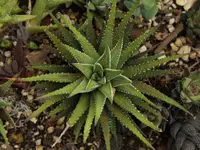
Space plants so mature rosettes have at least 25–30 cm of open air around them, which keeps the stacked leaves from trapping moisture and reduces fungal spotting on inner foliage when growing Aloe suprafoliata.

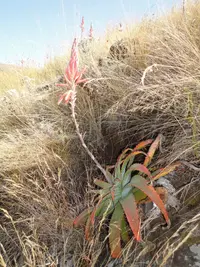
Aloe suprafoliata is a compact, stemless succulent known for its distinctive stacked leaves that first grow in flat, overlapping pairs, then twist and arch as the plant matures. The leaves are bluish green with a powdery surface and may develop red tones in strong light.
This species is native to rocky slopes in South Africa, where it experiences bright sun, well-drained soil, and dry periods between rains. Its slow growth, drought tolerance, and architectural form make it suitable for containers and rock gardens, as long as excess moisture is avoided. Understanding how to care for Aloe suprafoliata mainly involves providing strong light, fast-draining soil, and careful watering.

Care Difficulty
Easy Care

Light Preference
Full Sun

Water Requirements
Low Water

Temperature Preference
Warm Climate

Hardiness Zone
9–11

Soil Texture
Sandy, Loamy, Rocky

Soil pH
Acidic (5.5–6.5), Slightly acidic (6.5–7.0)

Soil Drainage
Well-drained

Fertilization
Minimal (feed rarely)
Scan your plant to receive care tips personalized for your specific plant
Available on iOS and Android
This sun-loving aloe thrives in bright, predominantly direct light with some protection at the hottest times of day.
Water deeply but infrequently to match this species’ drought-adapted root system.
This species prefers warm, dry conditions with good airflow and no frost exposure.
This species tolerates typical indoor humidity and rarely needs adjustment.
This succulent needs a very fast-draining, mineral-heavy substrate to prevent root rot.
This species is well suited to container culture due to its compact, architectural rosette form.
This drought-adapted succulent needs only light feeding, so focus on modest support rather than rich soil nutrition.
Pruning is minimal and mainly hygienic, aimed at keeping rosettes clean and reducing disease risk.
Container-grown plants benefit from occasional repotting to refresh the gritty mix and relieve root crowding.
Propagation is usually done from offsets, with seed used mainly by collectors or advanced growers.
This species dislikes prolonged freezing and benefits from simple precautions in cold climates.

Plant Health Check
Not sure what's wrong with your plant? Check your plant's health inside the app.
This species develops a distinctive distichous rosette, meaning the leaves are stacked in two opposite rows like a fan when young, before some plants later twist into a more spiral form as they age.
Aloe suprafoliata is native to the winter-rainfall regions of South Africa, where it grows on rocky slopes and receives most of its moisture during the cooler months rather than summer storms.
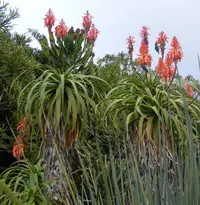
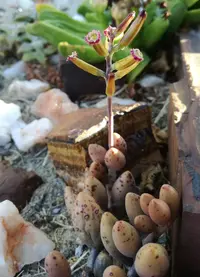
Its tall, unbranched flower spikes carry dense clusters of tubular red to pink flowers that produce nectar and are primarily pollinated by bees in its natural habitat.

The species name suprafoliata refers to the way the upper leaves seem to sit above or over the lower leaves, directly describing its unusual stacked leaf arrangement that makes it easily recognizable among aloes.
Lack of blooms usually relates to age, insufficient light, or stress. This species flowers best when mature, slightly root-bound, and exposed to strong light with a cool, dry winter rest and minimal disturbance.
Keep your plants happy and healthy with plant identification, disease detection, and easy care guidance.