Rotate Container
Turn the pot 90° every 2–3 weeks so new leaf rosettes receive even light, which keeps the plant symmetrical and reduces leaning or twisting toward a window.

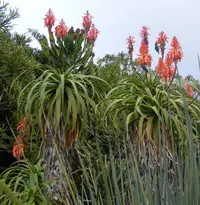
French aloe, Aloe pluridens, is a tree-like succulent known for its tall, elegant stems and neatly arranged, tooth-edged leaves. It forms a single main stem that can branch with age, giving it a sculptural look in containers or outdoor plantings in warm climates.
This species is native to South Africa, where it grows in dry, rocky habitats with strong light and very well-drained soil. Its drought tolerance and slow, steady growth make it relatively straightforward to care for French Aloe if overwatering is avoided.
In cultivation it does best with bright light, infrequent but deep watering, and a gritty, fast-draining potting mix suited to succulents.

Care Difficulty
Easy Care

Light Preference
Full Sun

Water Requirements
Low Water

Temperature Preference
Tropical / Frost Sensitive

Hardiness Zone
10–11

Soil Texture
Sandy, Loamy, Rocky

Soil pH
Acidic (5.5–6.5), Slightly acidic (6.5–7.0)

Soil Drainage
Well-drained

Fertilization
Minimal (feed rarely)
Scan your plant to receive care tips personalized for your specific plant
Available on iOS and Android
This succulent prefers bright, extended light but needs gradual acclimation to strong sun.
Aloe pluridens stores water in its leaves and needs thorough but infrequent watering.
This species prefers warm, dry conditions with protection from frost and extreme heat.
This species handles typical indoor humidity well and rarely needs adjustments.
Aloe pluridens needs a fast-draining, mineral-rich substrate to prevent root rot.
This species is well suited to container culture, including patios and bright indoor positions.
This succulent benefits from light feeding but grows acceptably in lean soil if not overwatered.
Pruning Aloe pluridens is mainly hygienic, keeping the rosette tidy and preventing rot.
Container-grown plants appreciate infrequent repotting that refreshes the soil and gives roots modest space.
Aloe pluridens is most often propagated from offsets, with seeds used mainly by collectors or breeders.
Winter care focuses on preventing cold damage and keeping the soil on the dry side.

Plant Health Check
Not sure what's wrong with your plant? Check your plant's health inside the app.
This species occurs naturally along a limited stretch of South Africa’s Eastern Cape coastal belt, where it often forms dense stands on rocky slopes and in dry thicket vegetation.
Its long, gracefully recurved leaves carry evenly spaced, small, pale teeth along the margins, giving a finely serrated outline that distinguishes it from many other tree aloes.
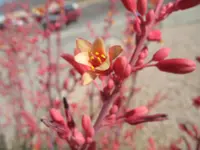
In its native range it typically flowers in the Southern Hemisphere winter, producing tall, branched inflorescences with pink to coral tubular flowers that provide nectar for sunbirds and insects during a relatively dry season.

Aloe pluridens often hybridizes naturally with nearby aloe species in the wild, creating intermediate forms that can make field identification challenging for botanists and showing how fluid species boundaries can be within this group.
Growth is moderate for a succulent tree. In warm, suitable climates it typically adds 10–20 cm per year, taking roughly 5–10 years to develop a small tree form under garden conditions.
Keep your plants happy and healthy with plant identification, disease detection, and easy care guidance.