Eriosyce aurata Care

Eriosyce aurata

About Eriosyce aurata

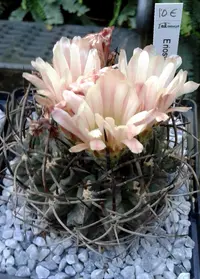
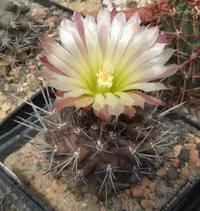
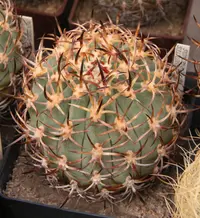
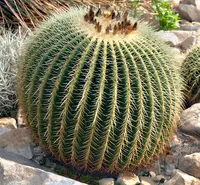
Eriosyce aurata is a small, slow-growing desert cactus native to the dry hillsides of central Chile. It forms a rounded to slightly cylindrical body covered with strong, golden spines. Mature plants may produce showy funnel-shaped flowers at the crown, usually in warm yellow or orange tones. Its compact shape and striking spine color make it popular in specialized cactus collections.

This species prefers bright light, low humidity, and very well-drained, mineral-rich soil. Its slow growth and strong drought tolerance make it suitable for patient growers who want to learn how to care for Eriosyce aurata without frequent watering or repotting.

Main Plant Requirements

Care Difficulty

Moderate Care

Light Preference

Full Sun

Water Requirements

Low Water

Temperature Preference

Warm Climate

Hardiness Zone

9–11

Soil Texture

Sandy, Rocky, Loamy

Soil pH

Slightly acidic (6.5–7.0), Neutral (7.0)

Soil Drainage

Well-drained

Fertilization

Minimal (feed rarely)

Get Personalized Care Plan

Scan your plant to receive care tips personalized for your specific plant

Available on iOS and Android

How to Care for the Eriosyce aurata

This Chilean desert cactus needs very bright light with strong sun to stay compact and flower well.

  • Provide 6–8 hours of direct sun daily, ideally with morning to early afternoon sun and some light afternoon shade in very hot, low-humidity climates.
  • Outdoors, place in an open, south- or west-facing position; indoors, use a south-facing window and avoid heavy curtains or deep overhangs that cut light.
  • Watch for signs of stress: pale, elongated growth signals too little light, while yellow or scorched patches indicate harsh, reflected midday sun.

This species prefers deep but infrequent watering and dries quickly between soakings.

  • Water only when the top 3–5 cm of soil are completely dry, then soak thoroughly so water exits the drainage holes or drains freely through the bed.
  • In spring–summer, expect roughly every 10–21 days in hot, dry climates; in cool or overcast periods and in winter rest, reduce to very rare, light sips or keep almost dry.
  • Use a very fast-draining mineral mix; soft, swollen tissue, blackened base, or a sour smell indicates overwatering, while wrinkling and slight skin dullness show it is time to water.

This cactus prefers warm, dry conditions with cool but not harsh winters.

  • Active growth is strongest at 65–85°F (18–29°C); short hot spells up to about 95°F (35°C) are tolerated if soil is dry and there is some air movement.
  • Protect from frost; aim to keep it above 40°F (4°C) and ideally 45–50°F (7–10°C) during winter rest, especially when the soil is dry.
  • Avoid sudden temperature drops and cold, wet soil, which greatly increase rot risk; provide shelter from freezing winds and prolonged cold rain, especially for Eriosyce aurata in containers.

This cactus prefers dry air and rarely has humidity problems in typical indoor conditions.

  • Aim for 30–40% relative humidity, similar to a dry, heated room environment.
  • It tolerates very dry air; issues arise more from excess moisture around the roots than from low humidity.
  • If stems become soft or show dark spots, suspect over-humid, stagnant conditions and increase air movement rather than adding moisture.

This species requires a very fast-draining, mineral-rich substrate to prevent root rot.

  • Use a sandy, gritty mix such as 60–70% mineral material (pumice, coarse sand, fine gravel) with 30–40% cactus potting mix.
  • Ensure the structure stays loose and open so water flows through quickly and air can reach the roots.
  • Keep pH slightly acidic to neutral, around 6.0–7.0, which suits Eriosyce aurata and supports nutrient uptake.
  • Avoid peat-heavy, compact, or moisture-retentive mixes that stay wet for more than 1–2 days after watering.

This species is well suited to container growing when drainage and pot choice are managed carefully.

  • Select a pot that is only slightly wider than the plant body to limit excess wet substrate and support the shallow root system.
  • Choose unglazed terracotta if extra evaporation is needed, as it allows moisture to leave the mix faster than plastic or glazed ceramic.
  • Place the container where it cannot tip easily, since a heavy mineral soil and a spiny top can make the pot unstable if bumped.

This cactus grows well with very light feeding, so focus on modest supplementation during its active season.

  • Use a low-nitrogen balanced cactus fertilizer (for example 5-10-10) or a dilute general balanced NPK formulated for succulents.
  • Feed Eriosyce aurata only during spring–summer, about every 6–8 weeks, when growth is visible.
  • Dilute liquid fertilizer to 25–50% of the label rate to avoid root burn in the coarse, fast-draining substrate.
  • Stop feeding in fall and winter so the plant can rest, especially if kept cool and on the dry side.

This species needs almost no structural pruning, only occasional hygiene work to keep the plant healthy.

  • Perform any work in late spring or early summer when conditions are warm and dry, which helps wounds seal faster.
  • Remove only dead, diseased, or badly scarred tissue using small, sharp, disinfected knives or scalpels.
  • Do not shorten healthy stems; pruning living tissue can disfigure the natural globe shape and invite rot.
  • If offsets are removed for space or propagation, cut cleanly at the base and allow the wound to dry for several days.

Container-grown plants benefit from infrequent but careful repotting to maintain a very free-draining root environment.

  • Check for roots circling the pot, slow growth in the growing season, or soil that stays wet too long as signs Eriosyce aurata needs repotting.
  • Plan to repot every 3–4 years in late spring, just before active growth, using a mineral-rich cactus mix with large drainage particles.
  • Water lightly 1–2 weeks before repotting, then gently loosen the root ball and remove old, compacted soil without tearing fine roots.
  • After placing the plant in the new pot, keep it dry for 5–7 days, then resume light watering to reduce transplant shock and rot risk.

Propagation of this cactus is usually done from seed and is slow, but it is the most reliable method for home growers.

  • Sow fresh seeds in late spring or early summer in a sterile, very fine, well-draining cactus medium.
  • Maintain warm temperatures around 70–80°F and bright, indirect light with consistently slightly moist, not wet, substrate.
  • Cover the tray with a clear lid or plastic to keep humidity stable, venting daily to limit fungal growth.
  • Once seedlings are firm and show several spines, gradually reduce humidity and increase light before potting them individually.

This cactus prefers a cool, dry rest in winter and needs protection from prolonged freezing conditions.

  • Keep plants around 40–50°F in winter with minimal to no watering to prevent root and stem rot.
  • Move container-grown Eriosyce aurata indoors or into an unheated but frost-free greenhouse in cold climates.
  • Ensure the soil is completely free-draining and avoid any standing moisture around the base during cold periods.

Care Tips

Deep pot selection

Use a deeper clay or terracotta pot with generous drainage holes to accommodate the long taproot and reduce the risk of root rot over time.

Mineral mulch layer

Top-dress the soil surface with 1–2 cm of coarse grit or small stones to keep the neck of the plant dry, protect the epidermis, and discourage fungus gnats.

Gradual light hardening

When moving the plant outdoors for summer, increase sun exposure in 1–2 hour increments over 10–14 days to prevent corking and sunburn on the ribs.

Cool-dry wintering

For a reliable bloom cycle, keep the plant almost completely dry and cool at 40–50°F in winter, providing only enough water to prevent severe shriveling.

Precision pest checks

Inspect areoles and root zone regularly for mealybugs using a hand lens, and if found, unpot the plant and treat both roots and crown before repotting into fresh mineral substrate as part of caring for Eriosyce aurata.

Common Pests and Diseases

Red spider mites

This pest thrives on dry, hot conditions and can cause fine webbing, yellow speckling, and a dull, stressed look on the cactus skin. Symptoms include slowed growth and a rough, sandblasted texture on affected areas.

Solution

Increase air movement and, if possible, slightly raise humidity around the plant without wetting the stem for long periods, then rinse the cactus thoroughly with a firm but gentle stream of water to remove mites and webbing. Follow with repeated applications of a miticidal soap or horticultural oil labeled for cacti, treating all nearby plants and isolating the cactus until new growth looks clean.

Mealybugs

These insects hide in the ribs and woolly areoles of the cactus, appearing as white, cottony clusters that suck sap and weaken the plant. This pest can cause yellowing, stunted growth, and honeydew that may encourage sooty mold.

Solution

Isolate the plant, then dab visible insects with cotton swabs dipped in isopropyl alcohol (70%) to dissolve their waxy coating and kill them. After manual removal, use several rounds of insecticidal soap or a systemic insecticide suitable for succulents, checking the base of the plant and pot rim where mealybugs often hide when caring for Eriosyce aurata.

Scale insects

These insects appear as small, hard, brown or gray bumps along the ribs and near areoles, feeding on sap and causing localized yellow patches and weakened tissue. This pest is often overlooked because the insects resemble part of the plant surface.

Solution

Remove individual scales by gently prying them off with a fingernail, soft brush, or cotton swab dipped in isopropyl alcohol, taking care not to damage the epidermis. After physical removal, treat the whole plant with insecticidal soap or a labeled systemic product and keep the cactus under observation for several weeks for any new bumps.

Corky scab lesions

Symptoms include rough, brown, corky patches on the lower parts of the stem, often where old minor injuries or sun stress occurred, which can spread if conditions remain unfavorable. This disorder can result from past mite damage, mechanical injury, or chronic stress rather than an active pathogen.

Solution

Improve growing conditions by providing bright but not scorching sun, stable temperatures, and careful watering that allows the soil to dry fully between waterings. Remove only severely damaged tissue if it is cracked or harboring pests, then monitor for spreading; if the lesions remain dry, firm, and stable, no chemical treatment is needed.

Fungal stem rot

This disease starts as soft, discolored areas at the stem base or around old wounds, which may turn dark and collapse as fungi invade the water-storing tissues. Symptoms include a foul odor, rapid softening, and eventual collapse of the affected part.

Solution

At the first sign of soft rot, cut away all affected tissue with a sterile knife back to completely firm, healthy tissue, dust the wound with a dry fungicidal powder or sulfur, and keep the plant in a warm, dry, well-ventilated spot until callused. Review watering and soil: use a very fast-draining mineral mix, water only when fully dry, and avoid letting water sit around the stem base to prevent reinfection.

Interesting Facts

Golden-spined cushion

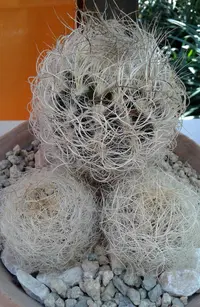
This species forms dense spherical to cushion-shaped stems covered in long yellow to golden spines that can densely shade the body and reduce sun damage in its native high-radiation habitats.

Native to Chilean Andes

It is naturally distributed in central Chile, often on rocky, exposed slopes in the Andes foothills, where it tolerates strong sun, large day–night temperature swings, and very low rainfall.

Large summer flowers

Mature plants produce relatively large, funnel-shaped flowers in shades of yellow to orange from a woolly crown at the stem apex, often forming a striking contrast with the golden spines when growing Eriosyce aurata outdoors in bright conditions.

Botan icon

Did you know?

In habitat, older individuals can develop into impressive multi-headed clumps over many years, with each head capable of flowering, so a single plant can display a dense crown of numerous blooms simultaneously during favorable seasons.

FAQs about Eriosyce aurata

Lack of flowers usually comes from insufficient light, overly rich soil, or watering during its cool, dry rest period. Provide strong sun, a lean gritty mix, and a pronounced dry winter rest to encourage bud formation.

Grow Healthy Plants with Botan Care

Keep your plants happy and healthy with plant identification, disease detection, and easy care guidance.

Botan plant care app — identify plants on mobile

Explore More Plants