few-ribbed neoporteria Care (Eriosyce paucicostata)

few-ribbed neoporteria

About few-ribbed neoporteria

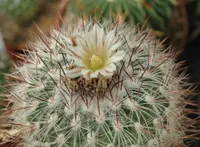
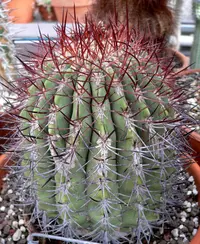
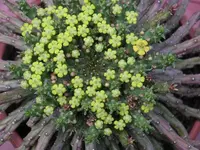
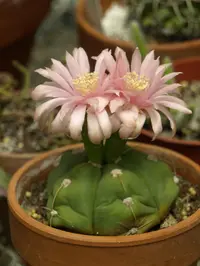
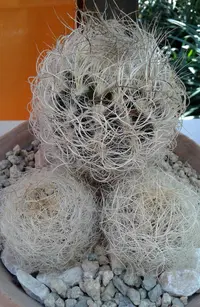
Few-ribbed neoporteria (Eriosyce paucicostata) is a compact, slow-growing cactus native to the dry hills and coastal areas of central Chile. It typically forms a small, rounded stem with distinct ribs and strong, often dark-colored spines. In season, it produces funnel-shaped flowers near the top of the plant, adding contrast to its rugged body. This species is adapted to intense sun, limited rainfall, and mineral, fast-draining soils. Its drought tolerance and small size make it suitable for containers and windowsills, though it dislikes excess moisture and poor drainage. Once its basic needs are understood, it is straightforward to care for few-ribbed neoporteria in a home collection.

Main Plant Requirements

Care Difficulty

Moderate Care

Light Preference

Full Sun

Water Requirements

Low Water

Temperature Preference

Warm Climate

Hardiness Zone

9–11

Soil Texture

Sandy, Rocky, Loamy

Soil pH

Slightly acidic (6.5–7.0), Neutral (7.0)

Soil Drainage

Well-drained

Fertilization

Minimal (feed rarely)

Get Personalized Care Plan

Scan your plant to receive care tips personalized for your specific plant

Available on iOS and Android

How to Care for the few-ribbed neoporteria

This small Chilean cactus needs strong light but benefits from some protection from harsh midday sun.

  • Provide 6–8 hours of bright sun daily, ideally with direct morning sun and light afternoon shade, especially in hot, dry climates.
  • In very intense sun, use 30–40% shade cloth or filtered light to prevent bleaching, corky scars, or yellowing ribs on few-ribbed neoporteria stems.
  • Outdoors, give more sun in cool seasons and slightly more shade in midsummer; indoors, place at a south- or west-facing window with no large obstructions.

This cactus is highly drought-tolerant and must dry well between waterings to avoid root rot.

  • During active growth in spring–summer, water only when the top 3–5 cm of soil are completely dry, then drench and let excess drain away fully.
  • Use a very fast-draining mineral mix; persistent moisture, a sour smell, or soft, yellowing tissue signals overwatering in Eriosyce paucicostata.
  • In fall, reduce watering sharply, and in winter keep almost dry, giving only a light drink if stems wrinkle deeply and stay shrunken for several weeks.

This desert-adapted cactus prefers warm conditions with a cool, dry rest period.

  • Aim for 65–80°F (18–27°C) during active growth; short spikes to 90°F (32°C) are tolerated if soil is dry and air is moving.
  • Protect from frost; it may survive brief dips to 28–32°F (-2–0°C) if bone-dry, but tissue damage becomes likely below freezing.
  • In winter, a cool, bright spot at 45–55°F (7–13°C) with very little water supports a natural rest phase and stronger flowering later.

This cactus handles low household humidity well but still benefits from a defined, dry range.

  • Aim for 30–50% humidity; higher levels increase rot risk, especially in cool conditions.
  • Dry indoor air is usually safe, but sustained humidity above 60% around the plant can stress roots and epidermis.
  • Watch for softened, translucent tissue or blackened areoles as signs of excess humidity and improve air movement rather than misting when caring for few-ribbed neoporteria.

Eriosyce paucicostata needs a very fast-draining, mineral-rich soil to prevent root rot.

  • Use a gritty, sandy mix with at least 60–70% inorganic material such as pumice, coarse sand, and small gravel.
  • Keep organic matter low; combine cactus mix with extra pumice or perlite in a 1:2 ratio to improve drainage and aeration.
  • Target a slightly acidic to neutral pH around 6.0–7.0, avoiding strongly alkaline or compacted mixes that slow water movement.
  • Avoid fine peat, clay-heavy garden soil, or any medium that stays wet longer than 2–3 days after watering.

This species adapts very well to container culture when drainage and root zone conditions are controlled carefully.

  • Select a pot just slightly wider than the plant body so the shallow roots can fill the space without leaving cold, wet pockets of unused mix.
  • Choose unglazed terracotta if extra evaporation is needed, or a heavier ceramic pot outdoors to reduce tipping in strong sun and wind.
  • Elevate the container on pot feet or a dry, ventilated stand so drainage holes clear quickly and the base does not sit in residual water.

This cactus needs only light feeding to support compact, healthy growth.

  • Use a low-nitrogen balanced cactus fertilizer (for example 5-10-10) diluted to 25–50% strength.
  • Feed during the active growing season only, about once every 4–6 weeks in spring and early summer.
  • Avoid compost or rich organic mixes that hold excess moisture around the roots.
  • Stop feeding few-ribbed neoporteria in late summer so the plant can enter a dry, cool dormancy.

Pruning needs for Eriosyce paucicostata are minimal and mainly hygienic.

  • Carry out any pruning in late spring or early summer, when growth is most active.
  • Remove only dead, shriveled, or diseased tissue using clean, sharp scissors or a sterile knife.
  • Trim dried flower remains gently if desired to keep the plant tidy without cutting into healthy skin.
  • Avoid shaping cuts; excessive removal can scar the stem and slow growth.

Repotting is infrequent but important to maintain drainage and root health for this cactus.

  • Repot every 3–4 years, or when roots circle the pot, emerge from drainage holes, or growth slows noticeably.
  • Choose late spring as the best time, when the plant is waking from dormancy but before strong summer heat.
  • Use a slightly larger pot with a very gritty, fast-draining cactus mix to reduce waterlogging stress.
  • Unpot gently, keep roots mostly intact, let any broken roots callus 2–3 days, then replant and withhold water for 7–10 days.

Propagation of this species is usually done from seed and requires patience and careful moisture control.

  • Sow fresh seeds in late spring in a sterile, very fine, gritty cactus mix.
  • Maintain bright, indirect light, 70–80°F temperatures, and consistently lightly moist, not wet, substrate.
  • Cover the tray with a transparent lid or bag to keep humidity high, then gradually ventilate as seedlings emerge.
  • Once seedlings are firm and show several ribs, transplant them carefully into individual pots with standard mix.

Winter care focuses on keeping the plant cool, very dry, and frost-free.

  • Overwinter at 40–50°F in a bright, airy spot, such as a cool indoor windowsill or unheated greenhouse.
  • Keep the soil completely dry; resume light watering only when temperatures and day length increase.
  • Move containers indoors before frost, since the plant is not reliably hardy below light, brief freezes.
  • Do not mulch heavily around pots; excess moisture and low temperatures together increase rot risk.

Care Tips

Pot depth choice

Use a clay pot that is wider than it is deep to accommodate the shallow, fibrous root system and to keep the root zone from staying cold and wet after winter watering.

Top-dress with grit

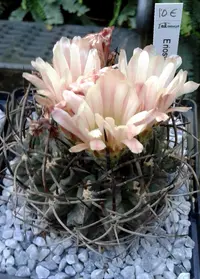
Apply a 1–2 cm layer of coarse grit or small stones on the soil surface to keep the neck of the plant dry, reduce rot risk, and stabilize the body against accidental knocks.

Winter rest handling

From late fall, keep the plant in a bright, very cool spot and avoid overhead splashing so the epidermis stays firm and unblemished during its dry winter dormancy.

Controlled summer stress

In late spring and early summer, allow slightly longer dry intervals and strong light to encourage compact growth and richer spine coloration without pushing rapid, soft tissue growth.

Root health checks

Every 2–3 years unpot the plant in late winter, trim any black or mushy roots, let cuts dry for several days, then repot in fresh, very mineral substrate to maintain long-term root vigor when caring for few-ribbed neoporteria.

Common Pests and Diseases

Root mealybugs

This pest attacks the underground parts of the cactus, feeding on roots and hiding in the mineral soil mix. Symptoms include stunted growth, unexplained shriveling, and white cottony deposits on roots or near drainage holes.

Solution

Unpot the plant, wash roots thoroughly with lukewarm water, and remove all old substrate. Trim heavily infested roots, then soak the root zone briefly in an appropriate systemic insecticide solution or use a diluted isopropyl alcohol rinse, allow to dry, and repot in fresh, mineral, fast-draining mix. Inspect nearby cacti and avoid overwatering, since drier, airy substrate reduces re-infestation when caring for few-ribbed neoporteria.

Red spider mites

These insects thrive on sun-loving cacti in dry, stagnant air and can cause fine yellow speckling and a dull, scarred epidermis, especially on the sunny side of the stem. This pest may leave fine webbing in heavy infestations.

Solution

Move the plant to a location with better air circulation and gently rinse the stem surface with a firm stream of water, then wipe with a soft brush or cloth. Follow with a targeted miticide or insecticidal soap spray labeled for mites, repeating treatments according to label directions, and avoid prolonged hot, stagnant conditions to prevent recurrence.

Corky stem scab

This disease produces localized brown, rough, corky patches on the stem, often starting from old minor injuries or areas exposed to prolonged moisture. Symptoms include hard, dry lesions that do not feel soft or wet but can slowly enlarge.

Solution

Improve cultural conditions by ensuring strong light, fast-drying mineral soil, and good air movement, and avoid frequent overhead misting or water sitting on the stem. Disinfect tools, monitor for soft or spreading tissue that may indicate secondary rot, and remove only clearly dead or cracked tissue with a sterile knife if it impairs the plant, then keep the area dry as it calluses.

Basal stem rot

This disease starts at the base of the cactus where moisture accumulates, leading to soft, discolored tissue and eventual collapse. Symptoms include a sour odor, darkening at the soil line, and loss of turgor in the whole plant.

Solution

At early stages, unpot the plant, cut away all affected soft tissue down to firm, healthy flesh with sterile tools, dust the wound with sulfur or a copper-based fungicide, and allow it to dry fully before attempting to reroot in fresh, dry mineral mix. If the rot is advanced, salvage only healthy upper segments as cuttings, adjust watering to allow the substrate to dry completely between waterings, and keep the plant in strong light with good airflow.

Scale insects

These insects attach firmly to ribs and areoles, appearing as small brown or gray bumps that excrete sticky honeydew on the cactus surface. This pest can cause weakened growth and may promote sooty mold on the honeydew deposits.

Solution

Manually remove visible scales with a cotton swab dipped in isopropyl alcohol, taking care not to damage the epidermis, then wash the plant gently with water. For persistent infestations, apply a systemic insecticide suitable for cacti or repeat alcohol swab treatments over several weeks, and quarantine affected plants away from other collections until no new scales appear.

Interesting Facts

Few ribs, many tubercles

This species typically has only 8–13 ribs that are broken into distinct, angular tubercles, giving the stem a somewhat warty, geometric appearance rather than the smooth ribs seen in many cacti.

Subterranean survival habit

Mature plants often sit partly sunken into the soil in habitat, exposing only the top of the stem; this helps reduce water loss and protects tissues from temperature extremes and intense radiation in its native Chilean environments.

Strongly dimorphic spines

It produces stout, often dark central spines and finer radial spines that can differ clearly in length, thickness, and color, a pattern that helps shade the stem surface and may deter herbivores more effectively.

Botan icon

Did you know?

This species was long placed in the genus Neoporteria and related genera before molecular and morphological studies supported its inclusion in Eriosyce, so older literature and some collections still list it under Neoporteria paucicostata, which can complicate tracking accurate identification and Eriosyce paucicostata plant care information.

FAQs about few-ribbed neoporteria

This cactus grows slowly, typically adding only a few millimeters in height and girth each year. Even under good conditions, it may take many years to noticeably change size, which is normal for the species.

Grow Healthy Plants with Botan Care

Keep your plants happy and healthy with plant identification, disease detection, and easy care guidance.

Botan plant care app — identify plants on mobile

Explore More Plants