Lobivia ferox Care

Lobivia ferox

About Lobivia ferox

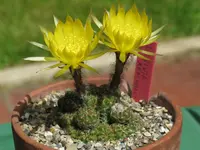
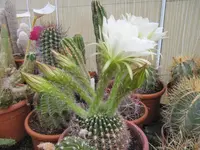
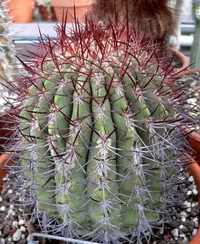
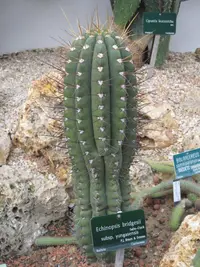
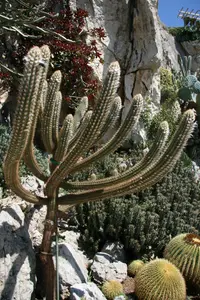
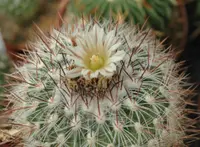
Lobivia ferox is a small, slow-growing cactus native to the high deserts of Argentina. It forms a rounded, solitary stem with heavy ribs and very strong, dark spines. Mature plants may produce funnel-shaped flowers near the crown, often in vivid shades of red or orange, creating a sharp contrast with the armored body. This species stays compact, which suits windowsills and small indoor collections. It favors bright, direct light, low humidity, and very fast-draining, mineral-rich soil. Its drought tolerance and modest size make it suitable for patient beginners who want to learn how to care for Lobivia ferox without frequent watering.

Main Plant Requirements

Care Difficulty

Moderate Care

Light Preference

Full Sun

Water Requirements

Low Water

Temperature Preference

Warm Climate

Hardiness Zone

9–11

Soil Texture

Sandy, Loamy, Rocky

Soil pH

Slightly acidic (6.5–7.0), Neutral (7.0)

Soil Drainage

Well-drained

Fertilization

Minimal (feed rarely)

Get Personalized Care Plan

Scan your plant to receive care tips personalized for your specific plant

Available on iOS and Android

How to Care for the Lobivia ferox

This small desert cactus needs strong light but benefits from some protection at peak intensity.

  • Provide 6–8 hours of direct sun daily, ideally with morning sun and light afternoon shade, especially in hot, dry climates.
  • Lobivia ferox tolerates bright, open exposure but may scorch in harsh afternoon sun; yellowing or bleached patches indicate too much light.
  • In summer, slowly increase outdoor sun exposure over 1–2 weeks; in winter, move to the brightest possible spot to compensate for short days.

This cactus is highly drought-tolerant and prefers infrequent, deep watering with fast-drying soil.

  • Water only when the top 3–5 cm of soil are completely dry; in hot, active growth this may mean every 10–21 days depending on climate and soil.
  • Use very free-draining, gritty soil so water runs through quickly and roots are never left in a soggy mix, which causes rot and a sour smell.
  • In winter rest, reduce watering drastically to a light drink every 4–6 weeks if stems begin to wrinkle slightly, avoiding any standing moisture around the base.

This species prefers warm days, cool nights, and a distinct dry, cool rest period.

  • Aim for active growth temperatures around 70–85°F (21–29°C) by day and 55–65°F (13–18°C) at night during spring and summer.
  • In winter, keep it cooler and drier at 45–55°F (7–13°C); short dips to 32°F (0°C) are only tolerated if the plant is completely dry and protected.
  • Avoid prolonged frost and extreme heat above 100°F (38°C); provide shade and airflow during hot spells to prevent tissue damage and root stress.

This cactus prefers dry air and usually does best at 20–40% humidity.

  • Lobivia ferox tolerates very low indoor humidity and does not need extra moisture in the air.
  • High humidity can encourage rot; watch for soft, darkened stem tissue or musty odor as warning signs.
  • If humidity stays above 60%, increase air movement near the plant and water more sparingly to compensate.

Use a very fast-draining, mineral-rich mix that dries quickly between waterings.

  • Choose a gritty, sandy substrate with about 70–80% inorganic materials such as pumice, coarse sand, and small gravel, plus 20–30% cactus potting mix.
  • Aim for slightly acidic to neutral pH around 6.0–7.0, which supports stable nutrient availability without encouraging rot.
  • Improve aeration by using large, irregular particles (5–10 mm) that create air pockets and prevent compaction around the roots.
  • Avoid peat-heavy, dense, or water-retentive mixes, which keep the root zone wet for too long and increase the risk of root rot in Lobivia ferox.

This species is well suited to container growing due to its compact, slow habit.

  • Choose a pot only slightly wider than the plant body so the root zone dries evenly and does not stay cool and wet at the edges.
  • Use a heavy terracotta or clay pot to reduce moisture retention and add weight that stabilizes the spiny, rounded stem.
  • Raise the container on feet or mesh to let water exit freely from drainage holes and prevent the base from sitting in runoff.

This desert cactus needs modest feeding to support compact growth and flowering in containers.

  • Use a balanced cactus fertilizer (around 10-10-10) or diluted general-purpose liquid feed at 1/2–1/4 strength.
  • Apply every 4–6 weeks during active growth in spring–summer to support healthy Lobivia ferox development.
  • Skip feeding in fall–winter when growth slows and the plant rests.
  • Avoid compost-rich mixes or heavy slow-release pellets that hold excess moisture and salts.

Pruning needs for this cactus are minimal and focus on health and safety rather than shaping.

  • Best time for any work is late spring–summer, when cuts dry and callus faster.
  • Remove only dead, diseased, or badly damaged stems on Lobivia ferox, using long-handled, sharp, disinfected tools.
  • Cut at the base of the affected area without injuring healthy tissue to limit rot risk.
  • Clear away dried flowers or collapsed offsets if they trap moisture or harbor pests.

This slow-growing cactus rarely needs frequent repotting and prefers slightly snug containers.

  • Check for roots circling the pot, growing out of drainage holes, tipping plants, or unexplained slow growth.
  • Plan to move Lobivia ferox into a slightly wider pot every 3–5 years, ideally in late spring.
  • Use a dry, gritty cactus mix; gently loosen the root ball and remove old, soggy soil to reduce stress.
  • Let roots dry for 2–3 days after repotting, then water lightly once, allowing full drying between later waterings.

Lobivia ferox is most often propagated from offsets or seeds under warm, bright conditions.

  • In late spring–summer, twist or cut offsets cleanly from the parent and let cut surfaces callus for several days.
  • Plant offsets in a barely moist, gritty cactus mix and keep in bright, indirect light until rooted.
  • Sow seeds on the surface of sterilized, sandy mix, lightly cover, and maintain 70–80°F with gentle, even moisture.
  • Once seedlings or rooted offsets harden, reduce watering and increase light gradually to prevent scorch.

Cool, dry winter conditions help this cactus rest and set buds for the next season.

  • Lobivia ferox tolerates brief light frost near 25–30°F if soil is completely dry, but sustained freezing is risky.
  • In cold regions, overwinter containers indoors in a bright, cool room at 40–50°F.
  • Keep soil almost dry; water only enough to prevent severe shriveling.
  • Outdoors, use a rain shield or cold frame to keep roots dry and minimize freeze–thaw stress.

Care Tips

Pot depth choice

Use a shallow but wide pot so the fibrous root system fills the container quickly, which stabilizes the plant and reduces the risk of overwatering deep, unused soil layers.

Winter rest management

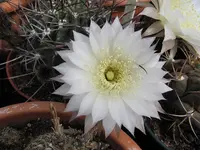
From late fall to early spring, keep the plant in a bright, cool spot around 45–55°F and completely dry to encourage tight, compact growth and abundant flowering buds for the next season.

Flowering support

Rotate the pot a quarter turn every 2–3 weeks in the bright season so the body develops evenly, but stop rotating once buds appear to minimize bud drop caused by sudden light-direction changes.

Safe spine handling

When repotting or inspecting roots, wrap the plant body loosely in several layers of folded newspaper or use thick foam pieces so you can grip and move it without breaking spines or injuring your hands.

Mineral topdressing

Add a 0.5–1 cm layer of coarse grit or small lava rock on the soil surface to keep the neck of the plant dry, reduce corking at the base, and give a visual guide for when growing Lobivia ferox needs watering again.

Common Pests and Diseases

Red spider mites

This pest often appears in hot, very dry indoor conditions and feeds on cactus skin, causing a dull, rough, or bronzed surface on the stem ribs and crown. Symptoms include fine webbing in areoles and slow, patchy discoloration that makes the plant look dusty or sandblasted.

Solution

Rinse the plant thoroughly with a strong but controlled stream of lukewarm water, then increase air movement and slightly raise humidity around the plant without wetting the soil. For persistent infestations, apply a targeted miticide or insecticidal soap labeled for spider mites, repeating applications as directed and avoiding full sun until the plant has recovered.

Mealybugs

These insects hide in areoles and between ribs, leaving small cottony clusters and sticky honeydew on the plant surface. Symptoms include distorted new growth at the crown and slow decline as they feed on sap.

Solution

Remove visible mealybugs with a cotton swab dipped in 70% isopropyl alcohol and isolate the plant from others. Follow up with 1–2 careful treatments of insecticidal soap or a systemic insecticide suitable for cacti, checking crevices, under the pot rim, and roots if the infestation has been present for a long time.

Corking with fungal infection

This disease starts where natural corking on the lower stem has been damaged or stressed, allowing fungi to invade and turn tissue unevenly brown, sunken, or slightly soft instead of firm and dry. Symptoms include irregular brown patches that may spread upward, sometimes with dark margins or small black fruiting spots.

Solution

Cut away affected soft or discolored tissue with a sterile knife back to firm, healthy flesh, then allow the wound to dry and callus in bright, dry conditions for several days before any watering. Improve watering control and air movement, avoiding splash on the stem, and if the plant is in overly organic or compact soil, repot into a fast-draining mineral cactus mix to reduce future infections.

Bacterial soft rot

This disease causes sudden, wet, foul-smelling soft spots on the stem, often starting near an old wound or water-sitting point on the crown. Symptoms include collapse of affected areas and rapid spread if the plant remains wet and warm.

Solution

Immediately isolate the plant, cut out all affected tissue well into healthy firm areas using sterilized tools, and let the wounded cactus dry completely in a warm, airy place with no water for several days. If rot has reached the base, salvage only healthy upper segments as cuttings, discard all infected material and soil, and disinfest pots and tools before reusing.

Interesting Facts

Spine density shift

Young plants are almost hidden under a mass of long, dark spines, but as the stem ages the areoles often produce fewer and shorter spines, so the cactus body becomes more visible over time.

High-altitude adaptation

This species is native to high Andean habitats in northwestern Argentina, where strong spination and a thick epidermis help protect tissues from intense UV radiation, large day–night temperature swings, and occasional frost.

Night-blooming strategy

Its large funnel-shaped flowers open mainly at night or in the early morning, an adaptation that likely targets nocturnal or crepuscular pollinators in its native environment.

Botan icon

Did you know?

In older taxonomic treatments this cactus was placed in the genus Echinopsis, so horticultural collections and older literature often list it under different names, which can complicate tracking long-term cultivation and scientific records for Lobivia ferox.

FAQs about Lobivia ferox

Lack of flowers usually comes from insufficient light, a pot that is too large, or no cool, dry winter rest. Mature plants bloom more reliably after a distinct winter dormancy and when not overfertilized with high-nitrogen products.

Grow Healthy Plants with Botan Care

Keep your plants happy and healthy with plant identification, disease detection, and easy care guidance.

Botan plant care app — identify plants on mobile

Explore More Plants