


Winter dryness management
In winter, move containers under a deep eave or into a cold, unheated but bright space so the plant stays almost completely dry, which significantly reduces rot risk in cold snaps.

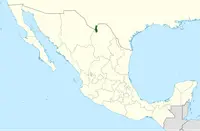
Big Bend pricklypear (Grusonia aggeria) is a small, clustering cactus adapted to very dry, rocky habitats in the Big Bend region of Texas and northern Mexico. It forms low, spiny mounds with cylindrical or club-shaped stems rather than flat pads. Its spines are dense and often interlocking, which helps protect the plant from herbivores and intense sun but makes handling difficult and requires careful placement. This species prefers strong light, very fast-draining mineral soils, and minimal watering. In suitable conditions it is slow but fairly reliable, though it can be challenging in humid or heavy-soil climates. Learning how to care for Big Bend pricklypear starts with recreating its bright, dry, and open desert environment as closely as possible.

Care Difficulty
Moderate Care

Light Preference
Full Sun

Water Requirements
Low Water

Temperature Preference
Warm Climate

Hardiness Zone
8–10

Soil Texture
Sandy, Loamy, Rocky

Soil pH
Slightly alkaline (7.0–7.5), Alkaline (7.5–8.5)

Soil Drainage
Well-drained

Fertilization
Minimal (feed rarely)
Scan your plant to receive care tips personalized for your specific plant
Available on iOS and Android
This desert cactus needs strong, direct light to stay compact and healthy.
This species is highly drought-tolerant and must dry well between waterings.
This cactus is adapted to hot, dry regions but also tolerates notable cold when kept dry.
This desert cactus handles low indoor humidity easily and rarely needs special humidity care.
This cactus needs a very fast-draining, mineral-heavy substrate to keep roots dry between waterings.
This species suits container growing when the pot is chosen to keep the plant dry and stable.
Grusonia aggeria is a nutrient-efficient desert cactus that benefits from modest feeding in containers or poor soils.
Pruning Grusonia aggeria is mainly corrective, aimed at safety and plant health rather than shaping.
Movement of Grusonia aggeria is infrequent and should be done carefully to avoid root and stem damage.
Grusonia aggeria is commonly propagated from stem segments, with seeds used mainly by specialists.
This desert cactus is quite cold tolerant when dry but still benefits from simple winter management.

Plant Health Check
Not sure what's wrong with your plant? Check your plant's health inside the app.
This cactus is native to a very restricted area in the Big Bend region of western Texas, where it grows on gravelly, limestone-derived soils in arid desert grassland and shrubland.
It forms low mats of short, cylindrical stems that tend to sprawl and branch along the ground, helping stabilize loose, rocky substrates and reduce soil erosion in its natural habitat.
Its pale, sometimes slightly hooked spines are stiff and interlocking, creating a dense protective barrier that reduces herbivory and shades the stem surface from intense desert sun.

This species is considered of conservation concern in Texas because of its very limited range and specialized habitat, so wild populations are vulnerable to disturbance, habitat alteration, and illegal collection.
This species performs best outdoors in full sun, sharp-draining mineral soil, and wide temperature swings. Indoors it often grows weak and etiolated. Big Bend pricklypear indoor care is possible only with very strong light and excellent airflow.
Keep your plants happy and healthy with plant identification, disease detection, and easy care guidance.

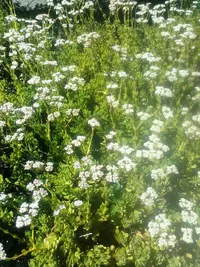
Redstem Stonecrop
Crassula rubricaulis
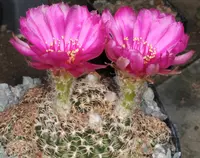
Lobivia tiegeliana
Lobivia tiegeliana
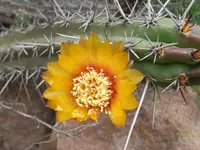
Corryocactus aureus
Corryocactus aureus
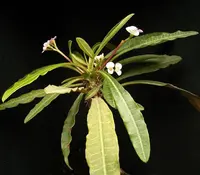
Euphorbia lophogona
Euphorbia lophogona
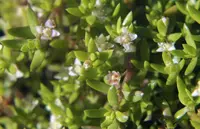
swamp stonecrop
Crassula helmsii
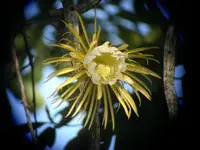
queen of the night
Selenicereus grandiflorus
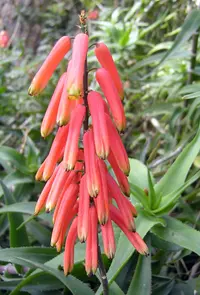
Common Climbing Aloe
Aloiampelos ciliaris
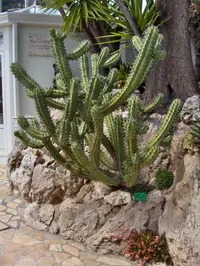
candelabra cactus
Myrtillocactus cochal