Redstem Stonecrop Care (Crassula rubricaulis)

Also known as: Red-stem Crassula
Redstem Stonecrop

About Redstem Stonecrop

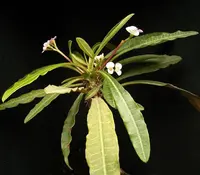
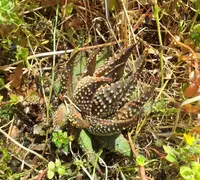
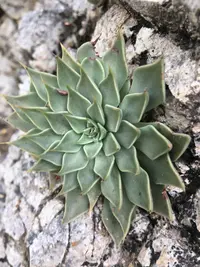
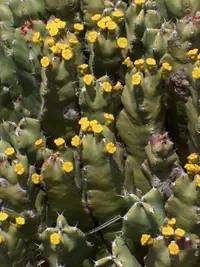
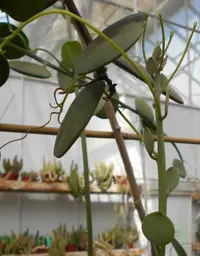
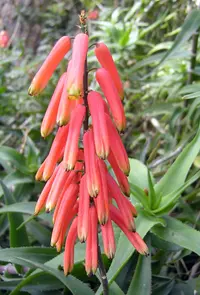
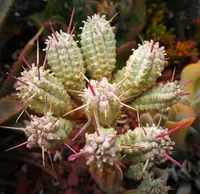
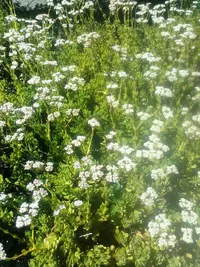
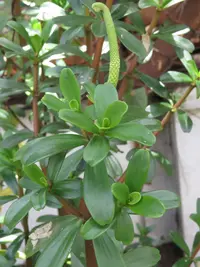
Redstem stonecrop (Crassula rubricaulis) is a compact, shrubby succulent known for its red-tinged stems and small, fleshy leaves. It forms tidy, branching clumps that stay relatively low and dense. In bright light, the leaf edges often turn deep red, giving strong color contrast against the green leaf surface. Small star-shaped flowers may appear, adding seasonal interest but not creating heavy mess. This species is native to South Africa, where it grows in rocky, well-drained habitats with strong sun and limited rainfall. Its drought tolerance and slow to moderate growth make it suitable for containers and small spaces. Once basic needs like bright light and freely draining soil are met, it is generally straightforward to care for Redstem Stonecrop.

Main Plant Requirements

Care Difficulty

Easy Care

Light Preference

Full Sun

Water Requirements

Low Water

Temperature Preference

Tropical / Frost Sensitive

Hardiness Zone

10–11

Soil Texture

Sandy, Loamy, Rocky

Soil pH

Slightly acidic (6.5–7.0), Neutral (7.0)

Soil Drainage

Well-drained

Fertilization

Minimal (feed rarely)

Get Personalized Care Plan

Scan your plant to receive care tips personalized for your specific plant

Available on iOS and Android

How to Care for the Redstem Stonecrop

This sun-loving succulent prefers bright, direct light but needs gradual acclimation outdoors to prevent scorch.

  • Provide 4–6 hours of direct morning sun plus bright light the rest of the day; light afternoon shade is helpful in hot, inland summers.
  • Tolerates light or dappled shade, but stems of Redstem Stonecrop may elongate and leaf color dulls if it receives less than 3–4 hours of strong light.
  • In very hot climates, protect from harsh midafternoon sun to avoid leaf scorch, especially during heatwaves and in reflective spots near walls or paving.

This drought-tolerant succulent needs infrequent, deep watering and fast-draining soil.

  • Water only when the top 3–5 cm of soil are completely dry; in active growth this may mean every 7–14 days, but timing depends on temperature, light, and soil type.
  • Use a gritty, fast-draining mix and ensure excess water runs freely away; standing water around roots is the main risk for Crassula rubricaulis.
  • Reduce watering sharply in cool seasons, watching for soft, translucent leaves from overwatering or wrinkled, folding leaves as a sign the plant is too dry.

This species prefers mild, dry conditions and is sensitive to hard frost and prolonged cold, especially in wet soil.

  • Aim for 65–80°F (18–27°C) for active growth; brief heat up to 90–95°F (32–35°C) is tolerated if soil drains well and the plant is not waterlogged.
  • Protect from frost; sustained exposure below 30–32°F (-1–0°C) can damage leaves and stems, especially in exposed or windy positions.
  • In regions with cold winters, grow in pots that can be moved to a frost-free spot, and avoid sudden shifts of more than 10–15°F (6–8°C) in a short time.

This succulent tolerates a wide humidity range and rarely needs special humidity control indoors.

  • Aim for 30–50% humidity, similar to typical heated or air-conditioned rooms.
  • Redstem Stonecrop usually handles dry air, but very hot, dry drafts can desiccate leaf tips.
  • If leaves wrinkle while the soil is moist, reduce hot air exposure rather than adding humidity trays.

Crassula rubricaulis prefers a very fast-draining, mineral-rich substrate that dries quickly between waterings.

  • Use a gritty mix such as 50–70% inorganic material (pumice, perlite, coarse sand, or fine gravel) blended with a lean cactus potting base.
  • Structure should be loose and crumbly so water passes through in seconds and roots receive ample air.
  • Aim for slightly acidic to neutral pH around 6.0–7.0, avoiding strongly acidic or alkaline mixes that can limit nutrient uptake.
  • Avoid dense peat, unamended compost, or clay-heavy garden soil, which retain water, reduce aeration, and promote root rot.

This species is well suited to container culture, including small patio pots and rock-garden troughs.

  • Select a low, wide container to support its spreading, shrubby habit and reduce the risk of tipping in wind.
  • Choose unglazed terracotta if extra evaporation is needed in wet or cool climates to keep the root zone drier.
  • Ensure drainage holes stay clear so excess water exits quickly and does not accumulate around shallow feeder roots.

This succulent needs modest feeding to support compact growth in containers or lean soils.

  • Use a balanced liquid fertilizer (for example 10-10-10) at 1/4–1/2 strength for Crassula rubricaulis during active growth.
  • Apply every 4–6 weeks in spring and summer only, on already-moist soil.
  • Avoid organic compost-heavy mixes that stay wet, which can cause root problems.
  • Stop feeding in fall and winter when growth slows, as Redstem Stonecrop rests.

Light pruning helps maintain shape and health in Crassula rubricaulis without stimulating excessive, weak growth.

  • Best time is late winter to early spring before strong new growth begins.
  • Remove dead, damaged, or leggy stems with clean, sharp scissors or pruning snips.
  • Shorten overly long shoots to encourage branching and a denser mound.
  • Pinch soft tips after flowering if needed to refine shape and prevent flopping.

This species prefers slightly tight quarters and only occasional repotting in well-drained soil.

  • Repot every 2–3 years in spring when roots circle the pot or growth becomes slow.
  • Choose a pot only 2–3 cm wider with drainage holes and a gritty succulent mix.
  • Lift the plant gently, loosen circling roots lightly, and trim any rotten sections.
  • Water sparingly for 5–7 days after shifting containers to limit root stress and rot.

New plants are most often produced from stem cuttings, which root reliably in warm, dry conditions.

  • Take 5–8 cm non-flowering stem cuttings of Crassula rubricaulis in late spring or early summer.
  • Strip lower leaves, then air-dry cut ends 1–2 days to form a callus before planting.
  • Insert cuttings into a barely moist, gritty succulent mix in bright, indirect light.
  • Keep humidity low, water lightly, and expect rooting within 3–5 weeks in warm conditions.

This succulent is frost-tender and benefits from careful winter management, especially in containers.

  • In regions below 30°F, grow Crassula rubricaulis in pots and move indoors before hard frost.
  • Provide a bright, cool indoor site around 50–60°F with sparse watering.
  • Outdoors in mild climates, use a light gravel mulch to insulate the root zone.
  • Keep soil on the dry side in winter to reduce cold-related root damage.

Care Tips

Encourage Bushy Form

Pinch or cut back soft stem tips in early spring to 1–2 nodes above older growth to keep plants compact and encourage dense branching.

Control Height Outdoors

In the ground, lightly tip-prune after each flush of growth instead of one hard cut, which reduces legginess and helps maintain a low, shrubby silhouette.

Rotating for Even Color

Rotate the pot 90° every 1–2 weeks so all sides receive similar light, which promotes even red coloration and prevents one-sided leaning.

Safe Winter Protection

If grown in a container outdoors, move it under a dry overhang or into a cold, bright porch before forecast frost and keep the pot off bare concrete to protect the roots from cold shock.

Prevent Mealybug Hotspots

Inspect the leaf-stem junctions each month and swab any early mealybug clusters with cotton dipped in 70% isopropyl alcohol, since early intervention is much more effective when caring for Redstem Stonecrop.

Common Pests and Diseases

Mealybugs

This pest appears as small white cottony clusters in stem joints and on leaf undersides, often causing stunted growth and sticky honeydew. Symptoms include yellowing leaves and a general decline in vigor if infestations are left untreated.

Solution

Isolate the plant, then dab visible insects with cotton swabs dipped in 70% isopropyl alcohol and gently wipe affected areas. Improve light and air movement, and repeat alcohol or insecticidal soap treatments weekly until no new mealybugs appear, checking hidden stem joints closely as part of Crassula rubricaulis care instructions.

Spider mites

These insects are tiny and often hard to see, but they cause fine webbing between leaves and speckled, dull foliage. Symptoms include slow growth and leaves that feel dry or rough to the touch.

Solution

Rinse the plant thoroughly with a firm stream of lukewarm water, focusing on leaf undersides, then allow it to dry in bright, indirect light. Increase humidity slightly around the plant, improve air movement, and repeat washing or use insecticidal soap every 5–7 days until new growth appears clean and web-free.

Soft scale

This pest shows up as small, rounded, tan or brown bumps on stems and sometimes leaves, often producing sticky honeydew. Symptoms include sooty mold growth on the sticky residue and gradual weakening of the plant.

Solution

Manually remove scales by gently scraping with a fingernail or soft brush and wiping stems with a cloth lightly moistened with 70% isopropyl alcohol. Follow up with insecticidal soap or horticultural oil applications every 7–10 days, and keep the plant in bright, dry, well-ventilated conditions to discourage reinfestation.

Powdery mildew

This disease presents as white, powdery patches on leaves and stems, usually in areas with poor air movement. Symptoms include distorted new growth and reduced vigor over time.

Solution

Remove and discard heavily affected leaves, then improve spacing and airflow around the plant, avoiding overhead watering. Treat remaining foliage with a sulfur-based fungicide or a potassium bicarbonate product, and keep the plant in brighter, drier conditions to prevent recurrence.

Edema

This physiological disorder occurs when roots absorb water faster than leaves can transpire it, leading to small corky or blister-like spots on leaves. Symptoms include rough, raised patches that do not spread like a typical infection but can damage appearance.

Solution

Reduce watering frequency, allowing the soil to dry more thoroughly between waterings, and avoid sudden shifts from low to high light. Use a well-draining succulent mix, ensure the pot has adequate drainage holes, and maintain consistent light and temperature to keep water uptake and leaf transpiration in balance.

Interesting Facts

Color-shifting leaf edges

The narrow leaves develop bright red margins when exposed to strong light or mild cold, a response linked to increased anthocyanin pigments that help protect the tissues from excess radiation and temperature stress.

Karoo mountain specialist

This species is naturally restricted to rocky slopes and outcrops in parts of South Africa’s Western and Eastern Cape, where it often grows in shallow crevices with very fast-draining, mineral-rich soils.

Woody, shrubby habit

Unlike many small, ground-hugging Crassula species, it forms a woody, sparsely branched subshrub up to around 30–50 cm tall, with older stems becoming brown and somewhat lignified over time.

Botan icon

Did you know?

In its native habitat, this species often grows among quartzite or sandstone rocks, and its pale stems and leaves can visually blend with the stone, providing a form of camouflage that likely reduces herbivore attention in exposed sites.

FAQs about Redstem Stonecrop

Brown leaves usually result from underwatering, intense reflected heat, or past sunburn, sometimes combined with low humidity. Check soil moisture, remove fully dead tissue, and monitor for soft, dark, mushy areas that indicate rot instead of dryness.

Grow Healthy Plants with Botan Care

Keep your plants happy and healthy with plant identification, disease detection, and easy care guidance.

Botan plant care app — identify plants on mobile

Explore More Plants