Lobivia tiegeliana Care

Lobivia tiegeliana

About Lobivia tiegeliana

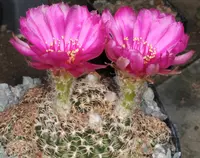
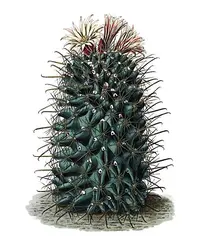
Lobivia tiegeliana is a small, clumping cactus native to the high-altitude regions of Bolivia and Argentina. It forms low, rounded stems covered in pronounced ribs and short spines. In spring or early summer it produces relatively large, funnel-shaped flowers, often in vivid reds, oranges, or pinks that contrast strongly with the dark green body. Its compact size and slow growth make it suitable for containers and windowsills. This species is generally considered easy to moderate in difficulty, as it tolerates brief neglect but is sensitive to excess moisture and poor drainage. Bright light, airy mineral soil, and careful watering are the main points to understand when learning how to care for Lobivia tiegeliana.


Main Plant Requirements

Care Difficulty

Easy Care

Light Preference

Full Sun

Water Requirements

Low Water

Temperature Preference

Warm Climate

Hardiness Zone

9–11

Soil Texture

Sandy, Loamy, Rocky

Soil pH

Slightly acidic (6.5–7.0), Neutral (7.0)

Soil Drainage

Well-drained

Fertilization

Minimal (feed rarely)

Get Personalized Care Plan

Scan your plant to receive care tips personalized for your specific plant

Available on iOS and Android

How to Care for the Lobivia tiegeliana

This small mountain cactus prefers bright, intense light that mimics high-altitude sun but needs protection from scorching exposure at low elevations.

  • Provide 4–6 hours of direct morning sun plus bright light the rest of the day; light afternoon shade is helpful in hot, lowland climates for Lobivia tiegeliana.

  • Acclimate slowly to stronger sun in spring to avoid bleaching or brown sunburn patches on stems, especially after low-light winter conditions.
  • In winter, give the brightest possible spot and avoid deep shade; stretched, pale growth indicates insufficient light, while yellowed, rough patches suggest excess sun.

This drought-tolerant cactus stores water in its stems and needs thorough but infrequent watering in a sharply draining mix.

  • In the growing season, water only when the top 3–5 cm of soil are completely dry, then soak fully and let excess drain away without leaving the pot standing in water.
  • Reduce watering sharply in autumn and keep almost dry in winter, giving only a light drink every 4–6 weeks if stems start to wrinkle slightly.
  • Use a very free-draining mineral-rich mix; soft, blackened roots or a sour smell indicate overwatering, while prolonged deep wrinkling shows underwatering.

This Andean cactus prefers warm days, cool nights, and a distinct cool, dry rest period to flower well.

  • For active growth, aim for 65–80°F (18–27°C) with cooler nights; short heat spikes to 90°F (32°C) are tolerated if air is dry and shade is available.
  • Protect from frost; brief dips to 32°F (0°C) may be survived if completely dry, but growth is safer kept above 40°F (4°C).
  • In winter rest, keep at 40–50°F (4–10°C), dry and bright; avoid warm, dim conditions, which encourage weak, etiolated growth.

This small cactus prefers dry indoor air and humidity management is rarely critical.

Lobivia tiegeliana performs best in a very fast-draining, mineral-rich cactus substrate.

  • Use a sandy, gritty mix such as 50–60% inorganic material (pumice, coarse sand, or perlite) with 40–50% cactus potting mix.
  • Aim for slightly acidic to neutral pH around 6.0–7.0, which supports nutrient availability without stressing roots.
  • Ensure the mix feels loose and crumbly, not compact; large pores allow rapid drainage and high root aeration.
  • Avoid peat-heavy, water-retentive, or dense garden soil, which promotes root rot and weak, elongated growth.

This species is well suited to container growing due to its compact, shallow root system.

  • Choose a wide, shallow pot that matches the cluster’s spread so roots fill the volume without excess wet substrate.
  • Select unglazed terracotta if extra evaporation is needed, as it helps the mix dry faster between infrequent waterings.
  • Place the pot in a stable, heavy container or tray if the plant offsets heavily, to prevent tipping as the clump enlarges.

This small cactus benefits from light, controlled feeding during its active season.

  • Use a balanced cactus fertilizer or dilute balanced NPK (around 10-10-10) to 25–50% strength for potted plants.
  • Apply every 4–6 weeks in late spring and summer when Lobivia tiegeliana is actively growing.
  • Avoid compost or rich organic feeds that stay wet and may cause root rot in mineral, gritty mixes.
  • Stop feeding in fall and winter to allow full dormancy and stronger flower initiation.

This cactus needs almost no structural pruning, but occasional cleaning supports health and appearance.

  • Best timing is late spring to summer when growth is active and wounds heal faster.
  • Remove only dead, rotting, or pest-damaged stems using sterile, sharp scissors or a cactus knife.
  • Cut back collapsed or scarred tissue to firm, healthy flesh to limit rot spread.
  • Minimal removal of offsets can slightly improve air circulation and highlight the main stem form.

Repotting is infrequent but useful to refresh soil and manage offsets in this slow-growing cactus.

  • Check for roots circling the pot, slow growth in good light, or soil that dries extremely fast as signs it needs repotting.
  • Plan repotting every 3–4 years in late spring, just before or after the main growth flush.
  • Use a slightly larger pot with a very gritty, fast-draining cactus mix to limit root rot risk.
  • Keep roots as intact as possible, let any damage callus for 1–2 days if bare-rooted, then water lightly after 5–7 days.

Propagation of this species is commonly done from offsets and seeds under warm, bright conditions.

  • In late spring or early summer, twist or cut offsets cleanly from the parent plant using sterile tools.
  • Allow cut surfaces to dry and callus for 5–10 days in a shaded, airy spot before potting.
  • Place offsets on a gritty, barely moist cactus mix and keep in bright, indirect light until roots form.
  • For seeds, sow on the surface of fine, sterile mix, keep at 70–80°F with gentle light and very light, even moisture.

This cactus prefers a cool, dry winter rest and is not tolerant of prolonged hard frost.

  • Keep plants in a bright, frost-free place around 40–50°F to support flowering the next season.
  • Move containers indoors or into an unheated but insulated greenhouse before temperatures drop below 32°F.
  • Keep soil almost completely dry, watering only enough to prevent severe shriveling.
  • If grown outdoors in mild climates, elevate pots and shelter from winter rain to avoid cold, wet roots.

Care Tips

Offset management

Remove offsets with a sterile, thin-bladed knife only when they are at least 1–2 cm wide, let them callus for 5–7 days in a dry, shaded place, then root them in barely moist, gritty mix to keep the mother plant compact and produce healthy clones.

Winter rest setup

From late fall, move the plant to a bright, frost-free spot kept around 40–50°F and keep it almost completely dry, as this cool, dry rest strongly improves spring flowering and long-term vigor when growing Lobivia tiegeliana.
Flower bud protection

Once buds appear, avoid rotating or relocating the pot and protect it from sudden drafts or heavy rain, since abrupt changes in light orientation or moisture often cause buds to dry up and drop before opening.

Mineral top dressing

Apply a thin top layer of coarse grit or small decorative stones on the soil surface to keep the stem base dry, reduce splash-borne fungal spores, and stabilize the shallow root system in a small pot.

Salt buildup control

Every 4–6 months during the growing season, leach the pot by watering generously once and letting excess drain completely to flush accumulated fertilizer salts that can otherwise burn roots and reduce flowering over time.

Common Pests and Diseases

Red spider mites

This pest feeds on cactus epidermis, causing a dull, rough, brownish surface that can scar the stem permanently. Symptoms include very fine webbing and loss of the plant’s natural sheen on sun-exposed sides.

Solution

Quarantine the plant, then wash the stem thoroughly with a strong stream of lukewarm water and a soft brush to remove mites and webbing. After drying, apply a miticidal soap or horticultural oil labeled for cacti, repeat every 7–10 days for several cycles, and slightly reduce heat and sun stress until new healthy growth appears.

Mealybugs

These insects hide in woolly areoles and root zone, sucking sap and weakening the plant over time. Symptoms include white cottony clusters between ribs or at the base and sometimes a sticky residue on the pot surface.

Solution

Isolate the plant, then dab visible mealybugs with cotton swabs dipped in isopropyl alcohol (70%) and rinse gently after treatment. For hidden or root mealybugs, unpot the plant, wash off soil, remove affected roots, treat with a systemic insecticide or repeated alcohol dips, then repot in fresh, sterile, very well-draining mix.

Corky scab (edema-like damage)

This disorder appears as rough, brown, corky patches on the lower or strongly sun-exposed parts of the stem. Symptoms include hardened, non-soft lesions that do not spread quickly but reduce the smooth, rounded look of the cactus.

Solution

Adjust growing Lobivia tiegeliana by avoiding sudden shifts from shade to intense sun and by keeping watering consistent but infrequent in a very free-draining mineral substrate. Remove severe, localized scab by sterile knife only if it traps moisture, then keep the plant dry and well ventilated so new growth remains smooth and unblemished.

Fusarium stem rot

This disease causes localized softening of tissue, often starting at a wound or around damaged areoles, with brown to reddish internal discoloration. Symptoms include sunken, soft spots that may exude fluid and can spread upward along the ribs.

Solution

At first signs, cut out affected tissue with a sterile knife back to completely healthy, pale-green flesh and dust the wound with dry sulfur or a copper-based fungicide. Keep the plant dry in bright, airy conditions until a firm callus forms, and discard severely affected plants to prevent spread to nearby cacti.

Bacterial soft rot

This disease leads to rapid softening and collapse of stem tissue, often with a foul odor and wet, translucent areas. Symptoms include sudden shrinking, sagging, and mushy segments that can destroy the plant within days in warm, humid conditions.

Solution

Immediately isolate the plant and cut away all affected tissue well into healthy, firm flesh using sterilized tools, then allow the wound to dry completely in a warm, shaded, airy location. If rot is extensive, discard the plant and substrate, disinfect the pot, and in future avoid water sitting in the crown, especially in cool or low-light periods.

Interesting Facts

High-altitude native

This species occurs naturally in high Andean regions of Bolivia and northern Argentina, where it experiences strong sun, large day–night temperature swings, and relatively poor, stony soils.

Distinctively banded spines

The radial and central spines often show subtle banding or color transitions from whitish or yellowish bases to darker tips, giving the small globular stems a striking, patterned appearance even when not in flower.

Abundant spring flowering

Mature plants can produce multiple funnel-shaped flowers in succession during the growing season, often in vivid magenta to purple shades that contrast strongly with the dark green body.

FAQs about Lobivia tiegeliana

Insufficient light, a pot that is too large, or lack of a cooler, drier winter rest commonly reduce flowering. Mature plants bloom best after a short, bright, cool dormancy and when not overfed with high-nitrogen fertilizer.

Grow Healthy Plants with Botan Care

Keep your plants happy and healthy with plant identification, disease detection, and easy care guidance.

Botan plant care app — identify plants on mobile

Explore More Plants