Mitis Century Plant Care (Agave mitis)

Also known as: Mitis Agave
Mitis Century Plant

About Mitis Century Plant

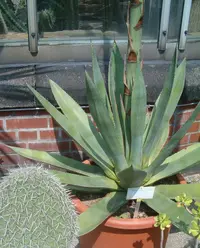
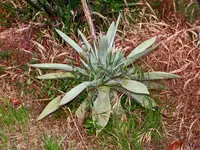
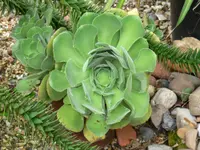
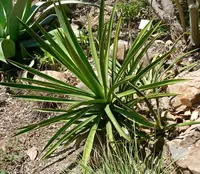
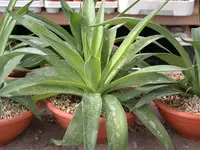
Agave mitis, often called the mitis century plant, is a compact succulent from Mexico known for its neat rosettes of thick, smooth, blue-green leaves. The leaves usually have softer tips and fewer spines than many other agaves, which gives it a gentler look and makes handling somewhat easier.

This species grows slowly and can stay a manageable size, so it suits containers, small gardens, and dry landscape designs. It prefers bright light, good drainage, and infrequent but deep watering, which generally makes it low maintenance once established. For many home growers, learning how to care for Mitis Century Plant is straightforward compared with more fragile tropical species.


Main Plant Requirements

Care Difficulty

Easy Care

Light Preference

Full Sun

Water Requirements

Low Water

Temperature Preference

Warm Climate

Hardiness Zone

8–10

Soil Texture

Sandy, Loamy, Rocky

Soil pH

Slightly acidic (6.5–7.0), Neutral (7.0)

Soil Drainage

Well-drained

Fertilization

Minimal (feed rarely)

Get Personalized Care Plan

Scan your plant to receive care tips personalized for your specific plant

Available on iOS and Android

How to Care for the Mitis Century Plant

This species thrives in bright, open exposures with protection from extreme afternoon intensity in hotter climates.

  • Provide 6–8 hours of direct sun daily, with morning sun and light afternoon shade in zones with very hot summers to reduce leaf scorching and bleaching on Mitis Century Plant.
  • In cooler or coastal climates, full sun all day is suitable if soil drains well and air circulation is good, preventing rot around the leaf bases.
  • Plants grown in too much shade develop elongated, weak rosettes and dull color, so gradually increase light in spring to avoid sudden sunburn after darker winter conditions.

Agave mitis prefers infrequent, deep watering and very fast-draining soil.

  • Outdoors in dry climates, water only when the top 5–8 cm of soil are completely dry, then soak the root zone and allow all excess to drain away.
  • Reduce watering sharply in cool seasons; in winter, many established plants in the ground need little to no supplemental water unless leaves wrinkle or curl inward from drought stress.
  • Watch for signs of overwatering such as yellowing leaves, a soft crown, or a sulfur smell from the soil, and improve drainage immediately if these appear.

This agave grows best in warm, dry conditions and dislikes prolonged cold or frost.

  • Optimal growth occurs around 65–85°F (18–29°C), with strong rosette development and good leaf color in these moderate, stable temperatures.
  • Short dips to about 25°F (−4°C) may be tolerated by well-established plants if soil is dry, but repeated freezes increase risk of crown damage and rot.
  • In hot regions, it handles up to 100°F (38°C) if airflow is good and roots are not sitting in wet soil; mulch lightly to buffer rapid temperature swings.

Humidity is not a critical factor for Agave mitis, which is adapted to dry air.

Agave mitis prefers very fast-draining, mineral-based soil that prevents water from sitting around the roots.

  • Use a gritty mix of 50–70% inorganic material such as coarse sand, pumice, or perlite with the rest cactus potting mix.
  • Aim for slightly acidic to neutral pH around 6.0–7.0, which supports balanced nutrient availability.
  • Ensure the mix feels loose and crumbly, not compacted, so air can reach the root zone easily.
  • Avoid heavy, peat-rich, or clayey substrates that stay wet for long periods and encourage root rot.

This species is well suited to container growing when the pot setup manages excess moisture efficiently.

  • Choose a wide, low container that matches the shallow, spreading root system and reduces tipping in strong wind.
  • Select heavy terracotta or ceramic pots outdoors to improve stability and moderate rapid moisture swings in the substrate.
  • Elevate the pot slightly on feet or bricks so drainage holes stay clear and runoff moves away quickly after watering.

This slow-growing succulent needs only light feeding to maintain healthy foliage and root development.

  • Use a balanced liquid fertilizer (around 10-10-10) at 1/4–1/2 strength for Mitis Century Plant in containers.
  • Feed once every 4–6 weeks during spring and summer, when active growth is visible.
  • Skip compost-rich mixes; choose a low-organic, gritty, well-drained substrate to avoid salt and moisture buildup.
  • Stop feeding in fall and winter to match the plant’s semi-dormant state and prevent weak, elongated growth.

Pruning for Agave mitis focuses on sanitation and safety rather than shaping.

  • Best time is late spring to early summer, once frost risk has passed and leaves are dry.
  • Remove dead, diseased, or badly damaged leaves at the base using clean, sharp pruners or a knife.
  • Cut away spent flower stalks near the crown after flowering to tidy appearance and direct energy to offsets.
  • Avoid removing healthy outer leaves, as this weakens the rosette and can reduce long-term vigor.

Container-grown plants and young outdoor clumps benefit from infrequent but careful repotting or transplanting.

  • Repot or move Agave mitis every 3–5 years, or when roots circle the pot, growth slows, or soil compacts.
  • Choose late spring as the ideal time, when temperatures are warming and the plant resumes active growth.
  • Use a slightly larger pot or planting hole with fast-draining cactus/succulent mix to limit waterlogging stress.
  • Handle the root ball gently, keep roots at the same depth, water once, then allow soil to dry before the next watering.

Propagation relies mainly on offsets, with seeds used when available for genetic diversity.

  • Separate basal offsets in late spring or early summer once they have several firm leaves and a solid root base.
  • Lift the clump, cut pups away with a clean knife, and allow cut surfaces to dry 1–2 days to callus.
  • Plant offsets in a gritty, barely moist succulent mix, keeping temperatures around 65–80°F and light bright but indirect.
  • Sow seeds on the surface of sterile, well-drained mix, maintain gentle moisture, and use warmth and bright filtered light for germination.

This species is moderately cold tolerant but benefits from basic winter precautions, especially in wet climates.

  • Agave mitis typically tolerates light frosts but can suffer damage below about 20–25°F, particularly in saturated soil.
  • In the ground, provide a gravel mulch around the crown to keep the root zone drier in winter.
  • For container plants, move under a dry porch or indoors to a bright, cool area before hard freezes.
  • Avoid winter overhead watering so leaf bases stay dry, reducing risk of rot during cold spells.

Care Tips

Offset management

Remove and replant offsets only when they reach at least 5–8 cm across, using a clean, sharp knife and allowing the cut surface to dry for 3–5 days before potting to reduce rot risk and maintain a strong, well-shaped mother rosette.

Container weight control

Use a wide, heavy pot or add a topdressing of coarse gravel to stabilize the plant against wind and accidental bumps, especially as the rosette becomes large and top-heavy.

Winter moisture check

In cool, low-light months, tilt or gently lift the pot after rain or watering to ensure drainage holes are not clogged, since trapped water in cold conditions is a common cause of crown and root rot.

Spine-safe placement

Position the plant so leaf tips do not project into walkways or seating areas, and rotate the pot slightly at each inspection to keep the spines facing away from high-traffic directions.

Preventing crown rot

When overhead watering is unavoidable, gently blow or shake excess water from the central rosette afterward so the crown dries quickly, which is a simple but effective step in caring for Mitis Century Plant in wetter climates.

Common Pests and Diseases

Agave snout weevil

This pest bores into the base of the rosette, causing internal feeding damage that leads to sudden collapse and yellowing of leaves. Symptoms include wilting from the center, a foul odor, and plants that topple easily when tugged.

Solution

Remove and destroy any infested plants, including surrounding soil at the base, to reduce larvae and pupae. Avoid wounding the plant, keep it growing in very well-drained soil, and in areas where this weevil is common, use a systemic insecticide labeled for ornamental agaves as a preventive soil drench in warm months when adults are active.

Soft scale

These insects appear as small, oval, tan to brown bumps along leaves and at the leaf bases, producing sticky honeydew that can attract ants and support sooty mold. This pest weakens plants over time, causing slow growth and dull, yellowed foliage.

Solution

Wipe accessible leaves with a cloth dipped in mild soapy water to remove scales and honeydew, and prune heavily infested leaves if possible. For persistent infestations, use repeated applications of horticultural oil or insecticidal soap, making sure to coat leaf bases and undersides while improving airflow and avoiding excess nitrogen fertilizer that encourages soft growth.

Aloe mite (eriophyid mite)

This pest causes abnormal, warty, or cauliflower-like growths on leaf margins and at the crown, sometimes with reddish or corky tissue. Symptoms include distorted rosettes and unsightly galls that do not revert to normal once formed.

Solution

Cut away and discard all affected tissue well into healthy material, sterilizing tools between cuts to prevent spread. If galls reach the crown and cannot be fully removed, discard the entire plant to protect nearby agaves, and avoid bringing in uninspected plants that may carry early, hidden infestations.

Anthracnose leaf spot

This disease produces tan to dark brown, sunken spots or streaks on leaves, often with darker borders and in some cases salmon-colored spore masses in wet conditions. Symptoms include coalescing lesions that dry, crack, and may distort affected leaves.

Solution

Remove and discard spotted leaves as soon as they are noticed, and avoid overhead watering that keeps foliage wet. Improve spacing and airflow, keep the rosette free of trapped debris, and in humid or rainy climates use a copper-based or other labeled ornamental fungicide at the first sign of spotting, following label directions carefully.

Crown and heart rot

This disease starts where water and moisture collect in the center of the rosette, leading to soft, mushy tissue with a foul smell and rapid collapse of inner leaves. Symptoms include leaves pulling out easily from the center while outer leaves may still look relatively normal at first.

Solution

At early stages, cut out all soft tissue from the crown, allow the wound to dry and callus, and reduce watering until new firm growth appears. For advanced cases the plant is usually lost, so focus on prevention by using sharply drained soil, planting on a slight slope or mound, keeping irrigation away from the crown, and avoiding frequent overhead watering, especially in cool weather, which is central to effective Agave mitis care instructions.

Interesting Facts

Soft-leaved rosette

Unlike many agaves with stiff, rigid blades, this species has relatively soft, pliable leaves that form a dense, rounded rosette, which is why it has been widely adopted as an ornamental in mild-climate gardens.

High-altitude origins

This species is native to central-eastern Mexico, where it grows on rocky slopes and cliffs at higher elevations, making it adapted to intense light, sharp drainage, and cooler, drier air compared with many lowland succulents.

Monocarpic flowering habit

Like other agaves, it is monocarpic, meaning each rosette flowers only once in its lifetime, producing a tall flowering stalk with yellowish blooms and then dying back, while offsets around the base can continue the plant’s life cycle.

Botan icon

Did you know?

In cultivation this species has been important in breeding and selection work aimed at producing compact, less spiny ornamental agaves, because its naturally shorter, smoother leaves and modest size make it safer and more practical for small gardens and container displays.

FAQs about Mitis Century Plant

This species is monocarpic, so it flowers only once at full maturity, often after several decades. Lack of flowering is normal in younger plants and does not usually indicate a health problem.

Grow Healthy Plants with Botan Care

Keep your plants happy and healthy with plant identification, disease detection, and easy care guidance.

Botan plant care app — identify plants on mobile

Explore More Plants