Encourage Dense Clumps
Lift and divide crowded rhizomes every 3–4 years in late winter, replanting only the firm, unshriveled pieces to maintain vigorous flowering clumps and reduce disease buildup in old, congested sections.

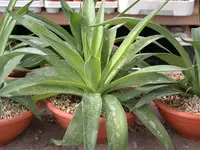
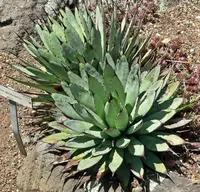
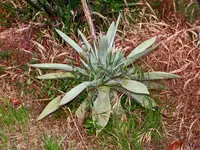
Texas tuberose, Agave maculata, is a small, clump-forming succulent native to dry regions of Texas and northern Mexico. It forms low rosettes of narrow, spotted leaves with sharp tips. In maturity, it sends up tall flower spikes with tubular blooms that attract pollinators. This plant stays relatively compact and grows slowly, which makes it suitable for containers, rock gardens, and dry borders. Its natural adaptation to heat, sun, and drought means it needs minimal watering once established. Understanding how to care for Texas tuberose mainly involves providing strong light, very well-drained soil, and protection from prolonged cold or excess moisture.

Care Difficulty
Easy Care

Light Preference
Full Sun

Water Requirements
Low Water

Temperature Preference
Warm Climate

Hardiness Zone
8–11

Soil Texture
Sandy, Loamy, Rocky

Soil pH
Slightly acidic (6.5–7.0), Neutral (7.0)

Soil Drainage
Well-drained

Fertilization
Minimal (feed rarely)
Scan your plant to receive care tips personalized for your specific plant
Available on iOS and Android
This sun-loving succulent thrives in strong, direct light for compact, healthy rosettes.
This drought-adapted species prefers deep, infrequent watering and fast-drying soil.
This species prefers warm to hot conditions and has limited cold tolerance.
This succulent tolerates low humidity and rarely needs special moisture control indoors or outdoors.
Agave maculata needs sharply draining, mineral-rich soil that dries quickly between waterings.
This species is well-suited to container growing when stability and fast drainage are prioritized.
Agave maculata grows well in lean soils, so fertilizer is optional and should stay light.
Agave maculata needs minimal pruning, focused on cleanliness and safety around the rosette.
This species is usually grown in the ground; container plants are transplanted infrequently and with care.
Propagation of Agave maculata is common through offsets, with seed used mainly for larger batches.
This agave is moderately cold tolerant but benefits from some winter protection in colder climates.

Plant Health Check
Not sure what's wrong with your plant? Check your plant's health inside the app.
This species is native to a narrow band of coastal prairie and sandplain habitats in southern Texas and adjacent northeastern Mexico, making it a regional endemic rather than a widespread agave.
Its leaves often show faint, irregular spotting or mottling, which is the origin of the name maculata and helps distinguish it from other closely related agaves and manfredas.
Instead of forming a single large rosette, this species spreads by short rhizomes to create loose colonies of smaller rosettes, an efficient strategy for stabilizing sandy soils and surviving local disturbance.

Many botanists now place this species in the genus Manfreda as Manfreda maculata, reflecting its closer evolutionary relationship to other herbaceous, soft-leaved relatives rather than to the rigid, woody agaves more familiar in cultivation.
Lack of blooms usually comes from insufficient light, nutrient-poor soil, or overcrowded clumps. Old, congested rhizomes flower less. Dividing every few years and maintaining steady warmth and fertility encourages more reliable flowering in mature plants.
Keep your plants happy and healthy with plant identification, disease detection, and easy care guidance.