black-spined agave Care (Agave macroacantha)

Also known as: large-thorned agave
black-spined agave

About black-spined agave

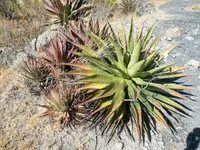
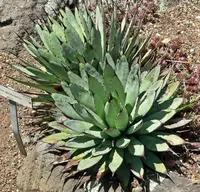
Black-spined agave, Agave macroacantha, is a compact succulent from arid regions of Mexico. It forms tight rosettes of blue-gray leaves tipped with sharp, dark spines. Growth is generally slow, which makes it suitable for containers and small spaces, both outdoors in warm climates and in bright indoor spots. The plant stores water in its thick leaves, so it handles drought far better than excess moisture. It prefers strong light, gritty, fast-draining soil, and careful watering that avoids constant wet roots. Understanding these traits is the key to how to care for black-spined agave without problems.

Main Plant Requirements

Care Difficulty

Easy Care

Light Preference

Full Sun

Water Requirements

Low Water

Temperature Preference

Warm Climate

Hardiness Zone

9–11

Soil Texture

Sandy, Loamy, Rocky

Soil pH

Slightly acidic (6.5–7.0), Slightly alkaline (7.0–7.5)

Soil Drainage

Well-drained

Fertilization

Minimal (feed rarely)

Get Personalized Care Plan

Scan your plant to receive care tips personalized for your specific plant

Available on iOS and Android

How to Care for the black-spined agave

This desert succulent thrives in bright, direct light with some protection from the harshest afternoon sun.

  • Provide 6–8 hours of direct sun daily; in very hot climates, aim for morning sun with light afternoon shade to prevent leaf scorch.
  • Black-spined agave tolerates light partial shade, but rosettes become looser and color dulls if it receives under 4 hours of direct sun.
  • In winter, lower sun intensity is usually safe all day; in summer, monitor for bleached spots or crispy tips as signs of excessive exposure.

This species prefers thorough but infrequent watering that allows the soil to dry well between soakings.

  • Water only when the top 3–5 cm of soil are completely dry; in hot, dry seasons this may be every 10–21 days, less often in cool weather.
  • Use fast-draining, gritty soil on a slope or raised bed so water runs off quickly and roots do not sit in puddles.
  • Watch for yellowing, soft leaves as a sign of overwatering; sharply curling or shriveling lower leaves indicate the plant has been kept too dry for too long.

This agave prefers warm, dry conditions and is sensitive to prolonged hard frost.

  • Aim for 70–90°F (21–32°C) during active growth; it handles short hot spells up to about 100°F (38°C) if soil is fast-draining and air is moving.
  • Short dips to 25–28°F (-4 to -2°C) may be tolerated when dry, but repeated freezing or wet cold quickly damages leaf tissue.
  • In regions with winters below 25°F (-4°C), provide frost protection, move container plants under cover, or grow Agave macroacantha in a sheltered microclimate near a warm wall.

This species handles typical indoor humidity well and rarely needs adjustment.

  • Target 30–50% humidity; lower levels are usually tolerated without issues in most heated homes.
  • Dry tips or shriveling leaves more often indicate underwatering or root problems than low humidity for black-spined agave.
  • If air is extremely dry near heaters, move the pot a short distance away rather than using trays or humidifiers.

This species needs a very fast-draining, mineral-rich substrate that dries quickly after watering.

  • Use a gritty, sandy mix such as 50–70% inorganic material (pumice, coarse perlite, or grit) blended with a low-organic cactus mix.
  • Aim for slightly acidic to neutral pH around 6.0–7.0, which supports nutrient availability without encouraging excess growth.
  • Increase aeration by incorporating coarse particles 3–6 mm wide; avoid fine sand or peat-heavy mixes that compact around roots.
  • Avoid dense loam, clay, or water-retentive potting mixes, which cause prolonged saturation and greatly increase the risk of root rot in Agave macroacantha.

This species is well suited to container growing, especially in cooler climates or where winters are wet.

  • Choose a heavy, wide-based pot to counterbalance the rosette’s top weight and prevent tipping in wind or on balconies.
  • Select unglazed terracotta when possible, as its porous walls speed evaporation and keep the root zone drier between waterings.
  • Use a container only 2–4 in wider than the rosette to limit excess substrate volume that can stay wet for too long after watering.

This drought-adapted succulent needs only light feeding to support slow, compact growth.

  • Apply a balanced, low-nitrogen slow-release or liquid fertilizer at half strength once in spring and once in mid-summer.
  • Use a product formulated for cacti and succulents, avoiding rich compost that holds excess moisture.
  • Skip feeding in fall and winter when growth is minimal to prevent weak, elongated tissue.
  • On young black-spined agave in containers, monitor for salt buildup and flush the soil with plain water if needed.

Pruning for Agave macroacantha is minimal and focuses on hygiene and safety rather than shaping.

  • Best time is late spring or early summer, when active growth helps small wounds dry quickly.
  • Remove dead, dried, or pest-damaged leaves at the base using clean, sharp pruning shears.
  • Cut away badly crowded or ground-touching leaves only if they trap debris or moisture around the crown.
  • Wear thick gloves and eye protection, disposing of spiny leaf pieces carefully to prevent injuries.

Container-grown plants need infrequent repotting, mainly to refresh soil and allow modest root expansion.

  • Repot every 3–5 years or when roots circle the pot, drainage slows, or growth stalls despite good light.
  • Choose late spring to early summer so roots recover quickly in warm, bright conditions.
  • Use a shallow, heavy container with very gritty, fast-draining mix to reduce rot and tipping risk.
  • Minimize root stress by keeping the old root ball mostly intact, watering lightly once, then allowing the mix to dry between waterings.

This species is most commonly propagated from offsets, as seed production is slow and less predictable.

  • Separate well-formed offsets in late spring or early summer once they have several leaves and visible roots.
  • Use a clean, sharp knife to detach pups close to the base, preserving as many roots as possible.
  • Allow cut surfaces to callus in a dry, shaded place for 3–5 days before potting.
  • Plant in a gritty cactus mix, keep warm and bright, and water sparingly until firm new growth appears.

Cold sensitivity means winter care focuses on keeping the plant dry and above hard-freeze temperatures.

  • Tolerates brief dips to around 25–28°F if soil is very well drained, but prolonged freezes damage foliage.
  • In-ground plants benefit from a gravel mulch around the crown to shed water and insulate roots slightly.
  • Move containers indoors or into a cold, bright, frost-free space before nights fall below freezing.
  • Keep soil nearly dry in winter, watering only enough to prevent shriveling and ensuring ample light to avoid stress.

Care Tips

Rotate For Symmetry

Turn the pot 90° every 3–4 weeks so the rosette develops evenly and does not lean toward the strongest light source, which keeps leaves spaced symmetrically and reduces strain at the crown.

Use Mineral Mulch

Top-dress the soil with a 1–2 cm layer of coarse grit, small gravel, or pumice to keep the neck of the plant dry, reduce algae and fungus gnats, and stabilize the rosette in the container.

Secure Against Topple

In tall or heavy rosettes, pack stones or extra grit around the base and choose a wider, heavier pot to prevent tipping and root disturbance when the plant is moved or exposed to wind.

Cold-Rain Protection

In regions with cool, wet winters, place container plants under an overhang or temporary cold frame so the rosette stays dry during prolonged rain while still receiving bright light.

Safe Handling Setup

When repotting or dividing offsets, wrap the rosette in a folded towel or several layers of newspaper and use long tongs to hold the base, which protects hands from spines and makes caring for black-spined agave safer.

Common Pests and Diseases

Agave snout weevil

This pest bores into the base of the rosette, causing internal damage, wilting, and eventual collapse of the plant. Symptoms include yellowing, a loose crown, and a fermented or rotten smell at the base.

Solution

Remove and discard heavily infested plants, including surrounding soil, to prevent spread. For remaining plants, keep the crown area dry, avoid wounds at the base, and use a systemic insecticide labeled for weevils as a preventive soil drench in warm seasons if this pest is known in the area.

Agave mite

These insects are microscopic eriophyid mites that hide in the tight leaf bases, causing distorted new growth, scarring, corky patches, or mosaic-like streaking that can resemble viral disease.

Solution

Remove and destroy severely deformed or suspicious plants, since mites can be difficult to eliminate once established. Improve spacing and airflow, avoid overhead watering that splashes between rosettes, and use a sulfur-based miticide or horticultural oil directed carefully into leaf axils if mites are confirmed.

Soft scale

This pest appears as small, rounded or oval bumps along leaves and at the leaf base, sucking sap and leading to yellowing, weakened plants, and sometimes sticky honeydew on nearby surfaces.

Solution

Wipe or gently scrub affected areas with a cloth or soft brush dipped in diluted insecticidal soap or 70% isopropyl alcohol. For larger infestations, repeat treatments every 7–10 days and reduce plant stress by providing strong light, good drainage, and avoiding excess fertilizer, which can encourage scale.

Bacterial soft rot

This disease affects damaged or waterlogged tissue at the crown or in leaf bases, turning it mushy, foul-smelling, and often dark or translucent. Symptoms include sudden collapse of individual leaves or the entire rosette from the center outward.

Solution

Cut out all affected soft tissue with a sterile knife, allowing only firm, healthy tissue to remain, and dust cuts with a dry sulfur or copper-based product if available. Improve drainage, keep the crown dry, avoid water sitting in the rosette, and do not reuse contaminated soil or tools without thorough cleaning.

Leaf spot fungus

This disease causes small, sunken, brown to black lesions on leaves that may merge into larger patches, especially in humid or poorly ventilated conditions. Symptoms include cosmetic scarring and, in severe cases, premature leaf death starting from lower leaves.

Solution

Prune and discard affected leaves to reduce spore load and avoid wetting the foliage when watering. Increase airflow, space plants so rosettes do not touch, and if spotting continues, apply a copper-based or other labeled ornamental fungicide according to directions while correcting moisture issues, which is key in Agave macroacantha care.

Interesting Facts

Distinctive spine pattern

This species forms a tight rosette of blue‑gray leaves tipped with a single long, black terminal spine and paired black marginal teeth, giving it a very recognizable silhouette compared with many other agaves.

Narrow habitat range

It is naturally restricted to arid regions of Oaxaca and Puebla in Mexico, where it grows on rocky slopes and limestone outcrops, adapted to shallow, mineral-rich but low-organic soils.

Short-lived rosette

Like many agaves, each rosette of this species is monocarpic, meaning it flowers once then dies, but it often produces basal offsets before flowering that can continue the clone.
Botan icon

Did you know?

In some of its native Mexican habitats, Agave macroacantha forms dense, almost impenetrable clumps whose sharply armed leaves and long black spines function as a natural barrier, and local people have historically used these clusters as living fences to deter livestock and human passage.

FAQs about black-spined agave

This species is monocarpic, so it flowers only once at the end of its life, often after 10–20+ years. Blooming depends on age, strong light, and overall vigor, not pruning or fertilizer alone.

Grow Healthy Plants with Botan Care

Keep your plants happy and healthy with plant identification, disease detection, and easy care guidance.

Botan plant care app — identify plants on mobile

Explore More Plants