San Pedro cactus Care (Echinopsis cuzcoensis)

San Pedro cactus

About San Pedro cactus

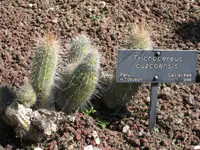
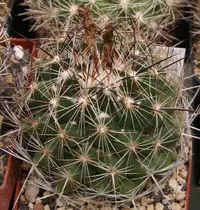
Echinopsis cuzcoensis, often grouped with the San Pedro-type columnar cacti, is a fast-growing, upright cactus with tall ribbed stems and prominent spines. Mature plants can form dense clumps of vertical columns, creating a strong architectural look in containers or dry gardens.

It is native to higher-altitude regions of the Andes in South America, where it grows in bright, dry, and rocky habitats. This background makes it generally resilient and drought-tolerant, but sensitive to prolonged cold and excess moisture.

Because of its strong spination and need for high light and very well-draining soil, it is moderately easy only for those prepared to handle it carefully. Beginners can learn how to care for San Pedro cactus by starting with a stable, bright, and dry indoor or patio spot.

Main Plant Requirements

Care Difficulty

Easy Care

Light Preference

Full Sun

Water Requirements

Low Water

Temperature Preference

Warm Climate

Hardiness Zone

9–11

Soil Texture

Sandy, Loamy, Rocky

Soil pH

Slightly acidic (6.5–7.0), Neutral (7.0)

Soil Drainage

Well-drained

Fertilization

Minimal (feed rarely)

Get Personalized Care Plan

Scan your plant to receive care tips personalized for your specific plant

Available on iOS and Android

How to Care for the San Pedro cactus

This highland columnar cactus prefers strong sun with some protection from extreme midday intensity.

  • Provide 6–8 hours of direct sun daily, ideally strong morning sun with some light afternoon shade in very hot, low-altitude areas.
  • In cooler or coastal climates, full sun all day is suitable; introduce a San Pedro cactus gradually to avoid sunburn, shown by bleached or brown patches.
  • Plants grown in too much shade become pale and elongated; move them stepwise into brighter exposure over 2–3 weeks, especially after winter.

This cactus stores water in its stems and needs infrequent but thorough watering in fast-draining soil.

  • Water only when the top 3–5 cm of soil are completely dry; in hot growing seasons this may be every 1–3 weeks, depending on heat, wind, and soil type.
  • Use gritty, sharply draining soil so water runs through quickly; standing water or soggy soil leads to stem softening, blackened roots, and rot.
  • In cool seasons, reduce watering sharply and keep almost dry; severe wrinkling and dull, flattened ribs suggest thirst, while cracking skin suggests past overwatering.

This species prefers warm, dry conditions but tolerates a moderate temperature range if kept frost free.

  • Aim for 70–90°F (21–32°C) during active growth; it slows below 60°F (16°C) but can still remain healthy if kept dry.
  • Protect from frost; brief dips to 32°F (0°C) may be survived when dry, but damage often starts below 30°F (-1°C) and prolonged freezing can be fatal.
  • In heat above 95°F (35°C), increase air movement and provide light afternoon shade to prevent sunscald and overheating of dark containers or rock walls.

Humidity is a minor factor for Echinopsis cuzcoensis as long as air stays dry to moderately dry.

  • Aim for 30–50% humidity, similar to most heated indoor homes or dry outdoor climates.
  • This cactus tolerates very dry air better than persistently humid, stagnant conditions that encourage rot.
  • If humidity rises above 60%, increase air movement, keep the stem dry, and avoid misting often used for caring for San Pedro cactus.

Echinopsis cuzcoensis needs a very fast-draining, mineral-rich substrate to prevent root and stem rot.

  • Use a gritty mix such as 50–70% inorganic material (pumice, perlite, coarse sand, crushed lava) with 30–50% cactus potting mix.
  • Texture should be loose, airy, and slightly rocky so water passes through in seconds and roots get ample oxygen.
  • Target a slightly acidic to neutral pH around 6.0–7.0, avoiding salty or compacted garden soil that holds water.
  • Improve drainage by using larger mineral particles (3–8 mm) near the base of the root zone rather than fine sand alone.

This species is well suited to container growing when the pot is chosen to manage drainage and stability carefully.

  • Pick a heavy, wide-based container to counterbalance tall, columnar growth and reduce tipping risk in wind.
  • Select a pot only 2–5 cm wider than the root ball so the mix dries evenly instead of staying wet around unused edges.
  • Use a container with large, unblocked drainage holes and keep the bottom free of saucer water to prevent the lower stem from sitting in moisture.

Echinopsis cuzcoensis benefits from light, controlled feeding during the warm growing season.

  • Use a balanced cactus fertilizer (for example 10-10-10) at 1/4–1/2 strength or a very thin layer of compost on top of the soil.
  • Feed every 4–6 weeks in spring and summer, only when the plant is actively growing and soil is slightly moist.
  • Stop feeding in fall and winter to allow a cool, dry rest period that supports healthy flowering next season.
  • These San Pedro cactus care instructions help prevent weak, overfertilized growth and salt buildup in the potting mix.

Pruning needs for Echinopsis cuzcoensis are minimal and mostly maintenance-focused.

  • Best time for any pruning is late spring to early summer, when growth is active and healing is faster.
  • Remove only dead, damaged, diseased, or rotting stems using clean, sharp pruning shears or a sterile knife.
  • Cut at the base of the affected stem or just above healthy tissue to maintain a stable, upright structure.
  • Avoid heavy shaping cuts, as large wounds increase rot risk and can slow growth and flowering.

Container-grown Echinopsis cuzcoensis needs infrequent repotting, mainly to refresh soil and manage root space.

  • Check for roots circling the pot, pushing through drainage holes, or noticeably slowed growth as signs repotting is needed.
  • Plan repotting for late spring, every 3–5 years, when the cactus is entering its active growth period.
  • Use a slightly larger pot with very free-draining cactus mix, and keep the root ball as intact as possible.
  • After repotting, keep the plant dry and shaded for 5–7 days to let wounds callus and reduce root stress.

Propagation of Echinopsis cuzcoensis is commonly done by stem cuttings and seeds under warm, dry conditions.

  • Take healthy stem cuttings in late spring or early summer, using a sterile, sharp knife to make a clean cut.
  • Allow cut surfaces to dry and callus for 7–14 days in a bright, airy place before planting.
  • Root cuttings in barely moist, gritty cactus mix at 70–80°F, providing bright, indirect light and good airflow.
  • Sow seeds on the surface of sterile, fine mix, keep lightly moist, warm, and bright, and expect slower establishment.

Winter care for Echinopsis cuzcoensis focuses on keeping the plant cold-dry and above hard-freeze levels.

  • This cactus is frost-sensitive and should be kept above about 25°F, ideally 35–45°F in winter.
  • Move container plants indoors or to a cold, bright, frost-free area before sustained freezes arrive.
  • Keep soil almost completely dry in winter to prevent root rot and tissue damage at cool temperatures.
  • In the ground, use a deep, gritty soil and coarse gravel mulch to improve drainage and insulate the root zone.

Care Tips

Stability And Support

Use a heavy, wide-based pot or add a top layer of coarse gravel to stabilize tall, columnar stems and reduce the risk of tipping in strong wind or after accidental bumps.

Gradual Sun Hardening

When moving plants from indoors or shade to full sun, increase light exposure over 10–14 days to prevent corking and sunscald on the rib edges.

Cold Rain Protection

In climates with cool, wet winters, place containers under a deep eave or use a simple clear rain cover so stems stay dry while still receiving bright light.

Root Health Checks

Every 2–3 years, unpot during warm, dry weather, inspect roots for rot or mealybugs, trim affected parts, then let cuts dry for several days before repotting into fresh, dry mix.

Safe Handling Technique

Handle stems using folded newspaper, foam pipe insulation, or thick leather gloves to avoid damage to the skin and spines while transplanting or inspecting the plant, which is useful when caring for San Pedro cactus and related columnar species.

Everything About San Pedro cactus

Common Pests and Diseases

Red spider mites

This pest often appears in hot, dry indoor or greenhouse conditions and feeds on epidermal cells, leaving a fine speckling and dull, grayish patches on the cactus skin. Symptoms include very fine webbing in areoles and between ribs.

Solution

Increase humidity around the plant without wetting the stem for long periods, then hose the cactus thoroughly outdoors or in a shower to remove mites and webs. Follow with 2–3 applications of insecticidal soap or a neem oil solution at 7–10 day intervals, and improve air movement to discourage reinfestation.

Cochineal scale

These insects form white, cottony tufts in areoles and along ribs, and when crushed release a deep red stain from the carminic acid they contain. Infestations weaken stems and can deform new growth if not controlled.

Solution

Dislodge visible insects with a strong stream of water, then wipe remaining colonies using cotton swabs dipped in 70% isopropyl alcohol. For larger plants, apply insecticidal soap or a light horticultural oil, making sure to reach all areoles, and repeat treatments every 7–14 days until no new pads appear.

Mealybugs

This pest hides in crevices at the base of spines and around the stem base, leaving cottonlike clusters and sticky honeydew that can lead to sooty mold. Infested plants often show slowed growth and weakened tissue over time.

Solution

Isolate the plant, then remove visible mealybugs with a soft brush or cotton swab dipped in 70% isopropyl alcohol, taking care not to saturate the roots. Follow with insecticidal soap or systemic insect granules labeled for cacti if the infestation is persistent, and inspect new plants carefully before placing them near this cactus.

Fusarium stem rot

This disease usually enters through wounds or stressed tissue and causes sunken, discolored areas that turn brown to black and may spread internally along ribs. Symptoms include a soft, water-soaked feel in affected zones and sometimes pinkish or whitish fungal growth in advanced cases.

Solution

At the first sign of localized rot, cut away affected tissue with a sterile knife back into firm, healthy flesh, and allow the wound to dry and callus in a warm, dry place with strong air movement. Discard severely affected plants, avoid overhead watering, keep the stem dry at night, and use a well-draining mineral soil mix to reduce infection risk.

Sunscald

Symptoms include bleached, yellow to whitish patches that later turn corky and brown on the sun-exposed side of the stem, often after sudden exposure to intense sun following shade-grown or greenhouse conditions. Damaged tissue does not recover but usually remains dry and hard.

Solution

Acclimate the cactus gradually to full sun over 10–14 days, starting with bright shade or morning sun only, and use 30–40% shade cloth in very intense summer light or heat waves. Turn the pot periodically for even light exposure, and avoid moving a plant directly from indoors to unfiltered midday sun to prevent further injury during growing San Pedro cactus.

Interesting Facts

High Andean native

This cactus is native to high elevations of the central Andes around Cuzco in Peru, where it grows on rocky slopes and open scrub rather than true desert, tolerating strong sun, cool nights, and high UV exposure.

Robust columnar growth

It forms tall, upright columns with many ribs and relatively short spines that are thicker and stouter than those of the closely related San Pedro cactus, a feature often used by botanists to help distinguish it in the field.

Nocturnal white flowers

Mature plants produce large, fragrant, white flowers that open at night and are adapted to pollination by nocturnal visitors such as moths and possibly bats, a common strategy in several Andean columnar cacti.

Botan icon

Did you know?

This species has often been confused in horticulture and even in some older literature with other Andean columnar cacti, especially Echinopsis pachanoi, leading to long-standing taxonomic debate and mislabeling in collections and nurseries.

FAQs about San Pedro cactus

This species is relatively fast for a columnar cactus, often adding 15–30 cm of height per year in warm, bright, low-rainfall conditions. Growth slows in cool temperatures, low light, small pots, or nutrient-poor substrate.

Grow Healthy Plants with Botan Care

Keep your plants happy and healthy with plant identification, disease detection, and easy care guidance.

Botan plant care app — identify plants on mobile

Explore More Plants