Hidden tubercle check
Gently brush away a small amount of top grit once a year to inspect that the tubercles are firm and not shrinking, then replace the grit to keep the crown dry and stable.

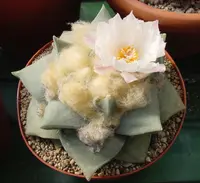
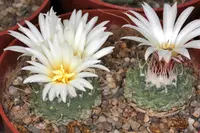
Ariocarpus retusus is a slow-growing, woody-rooted cactus native to limestone hills and rocky deserts of central and northeastern Mexico. It stays very low to the ground and often looks like a gray-green, star-shaped rosette pressed into the soil.
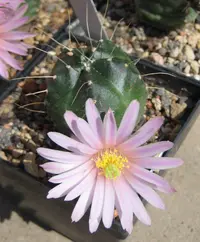
Its thick, triangular tubercles replace typical cactus spines, giving it a rough, textured surface that blends into its surroundings. Small, showy white to pink flowers appear from the center in late season under good conditions.
This species demands strong light, very sharp-draining mineral soil, and careful watering, which can make it challenging for beginners. Understanding how to care for Ariocarpus retusus is key to keeping it healthy over many years.

Care Difficulty
Hard Care

Light Preference
Full Sun

Water Requirements
Low Water

Temperature Preference
Warm Climate

Hardiness Zone
9–11

Soil Texture
Sandy, Rocky, Loamy

Soil pH
Slightly acidic (6.5–7.0), Neutral (7.0)

Soil Drainage
Well-drained

Fertilization
Minimal (feed rarely)
Scan your plant to receive care tips personalized for your specific plant
Available on iOS and Android
This slow-growing cactus thrives in strong light that mimics its native desert habitat.
This species is highly drought-adapted and must be kept on the dry side to avoid root and tuber rot.
This desert cactus prefers warm, dry conditions with a distinct cool, dry rest period.
This species prefers very dry air and relies far more on light and substrate conditions than on humidity control.
This cactus requires a very fast-draining, mineral-dominated substrate that dries quickly after watering.
This species is very suitable for container growing due to its slow growth and compact taprooted habit.
This slow-growing cactus needs very modest feeding to stay healthy in cultivation.
This species requires virtually no structural pruning and is best left to its natural form.
Handling the thick taproot gently is the key point when moving this cactus to a new container.
Seed is the standard method for maintaining this species in collections.
Cool, dry winter conditions are essential for long-term health of this cactus.

Plant Health Check
Not sure what's wrong with your plant? Check your plant's health inside the app.
This cactus grows a large underground taproot that stores water and nutrients, so most of the plant body stays partly buried and protected from intense sun and grazing in its native Mexican limestone habitats.
The tubercles on the stem form flat, angular plates with a gray-green, dusty surface that closely mimics surrounding limestone gravel, making the plant difficult to spot in the wild and helping it avoid herbivores.
In habitat, individuals often need more than 10–15 years to reach flowering size, which is one reason why sustainable Ariocarpus retusus plant care relies on seed-grown nursery plants instead of wild collection.

The natural distribution of this species is strongly associated with limestone-rich soils in central and northeastern Mexico, where it often forms scattered, low-density populations that can be almost invisible outside the short autumn flowering period when its relatively large white to pinkish flowers suddenly appear above the gravel surface.
This species grows extremely slowly, often only a few millimeters per year. Seedlings may take 5–10 years to look noticeably larger and 10–20 years to reach a modest, mature rosette size.
Keep your plants happy and healthy with plant identification, disease detection, and easy care guidance.