Thelocactus tulensis Care

Thelocactus tulensis

About Thelocactus tulensis

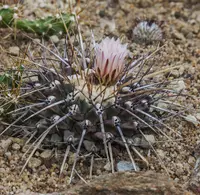
Thelocactus tulensis is a small desert cactus from northeastern Mexico, forming a single, rounded stem with distinct ribs and strong, straight spines. It grows slowly and usually stays compact, which makes it suitable for container and windowsill culture.

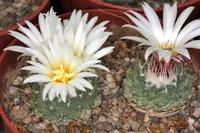
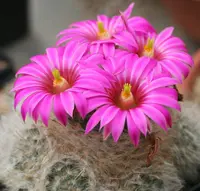
Flowers are typically funnel-shaped and showy, appearing at the top of the plant in favorable conditions. Its tough skin and drought tolerance make it resilient, but sensitive roots and a need for very sharp drainage mean it is not a good choice for heavy or water-retentive soils.

Bright light, low humidity, and a gritty mineral substrate generally suit this species, and understanding these conditions is key to how to care for Thelocactus tulensis.

Main Plant Requirements

Care Difficulty

Moderate Care

Light Preference

Full Sun

Water Requirements

Low Water

Temperature Preference

Tropical / Frost Sensitive

Hardiness Zone

9–11

Soil Texture

Sandy, Rocky, Loamy

Soil pH

Slightly acidic (6.5–7.0), Neutral (7.0)

Soil Drainage

Well-drained

Fertilization

Minimal (feed rarely)

Get Personalized Care Plan

Scan your plant to receive care tips personalized for your specific plant

Available on iOS and Android

How to Care for the Thelocactus tulensis

This cactus needs strong light but benefits from some protection during the hottest hours.

  • Provide 6–8 hours of direct sun daily, ideally with morning sun and very bright, slightly filtered light in mid to late afternoon.
  • Outdoors, give Thelocactus tulensis full sun with light afternoon shade in very hot climates to prevent bleaching or scorch on the ribs.
  • If stems elongate, lean, or turn dull green, light is insufficient; gradually increase sun exposure over 1–2 weeks to avoid sunburn.

Water sparingly and only when the soil has fully dried.

  • Allow the entire root zone to dry out, at minimum the top 3–5 cm feeling completely dry before watering again.
  • From spring to early fall, water thoroughly but infrequently, then let excess drain away; in winter, keep almost dry, giving only a light drink if the plant starts to wrinkle.
  • Signs of overwatering include yellowing, soft or translucent tissue, and a sour smell; hard shriveling ribs with dry soil indicate it is time to water Thelocactus tulensis.

Stable warmth with cool, dry winters supports compact, healthy growth.

  • Aim for 70–85°F (21–29°C) in the growing season, with good air movement to handle occasional hotter days.
  • This cactus tolerates brief drops to about 25°F (-4°C) if completely dry, but long exposure below 32°F (0°C) greatly increases frost damage risk.
  • For winter rest, keep at 45–55°F (7–13°C), dry and bright; during summer heat above 95°F (35°C), increase airflow and provide light afternoon shade to reduce stress.

This cactus prefers dry indoor air and does not need extra humidity management.

  • Aim for 20–40% relative humidity, similar to a typical heated home in winter.
  • Excess humidity shows as soft, pale, or splitting tissue, often starting near the base.
  • If air is very humid, increase air movement with a small fan and keep the plant away from bathrooms or kitchens.

Use a very fast-draining, mineral-based mix that mimics rocky desert soil.

  • Choose a gritty, sandy substrate using about 70–80% mineral material such as pumice, coarse sand, and small gravel, with only 20–30% cactus potting mix or sieved compost.
  • Ensure the mix drains completely within a few seconds of watering; if water lingers on the surface, add more pumice or coarse grit to open the structure and improve aeration.
  • Keep pH slightly acidic to neutral, around 6.0–7.5, as strongly alkaline or salty soils can block nutrient uptake and cause chlorosis, or yellowing between veins.
  • Avoid dense, peat-heavy, or clayey soils that stay wet, since Thelocactus tulensis is highly sensitive to root and stem rot in poorly drained conditions.

This species is well suited to container growing when drainage and stability are carefully managed.

  • Select a pot only slightly wider than the plant’s body so the sparse roots can dry quickly rather than sitting in unused, damp soil.
  • Use a heavy terracotta or clay container to evaporate moisture through the walls and reduce the risk of waterlogging in cool weather.
  • Place the pot in a stable, low-traffic spot so the spined, top-heavy body is not knocked over or cracked at the base.

This desert cactus benefits from light feeding during active growth but is sensitive to excess nutrients.

  • Use a low-dose balanced cactus fertilizer (diluted balanced NPK at 25–50% strength) in spring and early summer.
  • Feed every 4–6 weeks during the main growing season only, on already-moist soil to avoid root burn.
  • Avoid compost-rich mixes and high-organic fertilizers that stay wet and can cause rot.
  • Stop feeding Thelocactus tulensis in late summer so growth hardens before cool, low-light conditions.

Pruning needs for this cactus are minimal and focus on health, not shaping.

  • Carry out any work in late spring or early summer when growth is active and healing is faster.
  • Remove only dead, diseased, or severely damaged tissue using sharp, disinfected knives or pruning scissors.
  • Leave healthy stems intact, since cutting can permanently alter the plant’s natural globular form and scar the surface.
  • Trim spent flowers only if they rot or attract pests, taking care not to injure the areoles or spines.

Container-grown plants need only infrequent repotting due to slow growth.

  • Check for roots circling the pot, emerging from drainage holes, or very slow growth as signs to repot Thelocactus tulensis.
  • Plan repotting for late spring, just before or as growth resumes, to support fast root recovery.
  • Repot every 3–5 years into a slightly larger, shallow pot with a very fast-draining cactus mix.
  • Handle by the root ball or with folded paper, keep roots mostly intact, and keep soil barely dry for 7–10 days after shifting.

This species is most often propagated from seed and is considered slow and somewhat specialized.

  • Sow fresh seeds in late spring to early summer in a sterile, very gritty cactus mix.
  • Provide bottom warmth around 70–80°F, bright but indirect light, and gently moist (not wet) conditions for germination.
  • Use a clear cover or humidity dome for the first weeks, then gradually increase ventilation to reduce damping-off.
  • Grow seedlings densely at first, then prick out into individual pots once they develop several firm ribs characteristic of Thelocactus tulensis.

This cactus needs cool, very dry winter conditions and is only mildly frost tolerant.

  • Aim for winter temperatures around 40–50°F, avoiding prolonged drops below about 28°F, especially in wet soil.
  • Keep completely dry in winter; any watering at low temperatures greatly increases rot risk.
  • Move container plants indoors to a bright, unheated room or cold greenhouse before hard frost arrives.
  • In mild climates, use a raised, very gritty bed and a simple rain shelter to keep stems dry through winter.

Care Tips

Top-dress with grit

Apply a 0.5–1 cm layer of coarse mineral grit (pumice, granite, or aquarium gravel) on the soil surface to keep the stem base dry, reduce algae and moss, and stabilize the plant in its pot.

Rotate for even ribs

Turn the pot 90° every 2–3 weeks during the bright season so the ribs and spines develop symmetrically and the stem does not lean toward the light source.

Use clay pots

Choose unglazed clay pots with a single drainage hole to allow faster moisture loss and better root aeration, which helps prevent rot in this slow-growing species.

Cool rest period

Provide a cooler, very dry rest period at 45–55°F for 8–10 weeks in late fall to early winter to support flower bud formation and long-term vigor when growing Thelocactus tulensis.

Inspect spines closely

Check the areoles and spine bases monthly with a hand lens so scale insects or spider mites are detected early and can be removed with a cotton swab and alcohol before they spread.

Common Pests and Diseases

Red spider mites

This pest targets stressed, sun‑exposed stems, causing fine webbing, faded epidermis, and tiny yellow or rust spots on ribs and tubercles. Symptoms include a dull, dusty look to the cactus body, especially during hot, dry indoor periods.

Solution

Increase humidity locally with a shallow tray of water and improve air movement, then rinse the plant thoroughly with a strong but gentle stream of water, paying attention to areoles and rib crevices. If mites persist, treat with repeated applications of insecticidal soap or a neem oil solution every 5–7 days, keeping the plant out of strong sun during treatment to avoid epidermal burn.

Root mealybugs

These insects live hidden in the potting mix and on roots, producing cottony masses and causing slow decline, shriveling, and poor new growth despite normal watering. Symptoms include a plant that stays limp or pale while roots show white, cotton‑like patches when unpotted.

Solution

Unpot the cactus, wash off all soil, and rinse roots under running water, then remove any heavily infested or dead roots with sterile tools. Repot into fresh, well‑draining mineral soil in a clean pot, and drench the new mix once with a systemic insecticide labeled for root mealybugs, allowing the mix to dry thoroughly between future waterings as part of careful Thelocactus tulensis care instructions.

Cochineal scale

These insects appear as small white, cottony tufts on areoles and along ribs and may exude red or purple dye when crushed. This pest feeds on plant sap, leading to slow weakening, shriveling of tissue near areoles, and increased susceptibility to fungal issues.

Solution

Isolate the plant, then dab visible insects with cotton swabs dipped in 70% isopropyl alcohol to dissolve their protective coating, repeating weekly until no new patches appear. For heavier infestations, follow with a light spray of insecticidal soap or horticultural oil, applied in the evening and rinsed off after several hours to protect the epidermis from sun damage.

Fungal stem spots

This disease develops on skin that has been injured or kept too damp and shaded, forming small brown or black lesions that may sink slightly into the tissue. Symptoms include localized discoloration that slowly expands, sometimes with a dry or crusty surface on older spots.

Solution

Improve light and airflow, then keep the stem completely dry until spots stabilize and stop expanding. If lesions continue to grow, carefully cut out affected tissue with a sterile knife back to firm, healthy tissue, dust the wound with dry sulfur or a copper‑based fungicide, and maintain the plant in bright, airy, dry conditions until a corky callus forms.

Basal corking and rot

This disease starts at the base where excess moisture collects, leading to softening, discoloration, and a water‑soaked look that can move upward from the soil line. Symptoms include a plant that becomes unstable or leans, with the lower part turning brown, yellow, or almost black and feeling soft to the touch.

Solution

At early stages, remove the plant from the pot, cut away all soft or discolored tissue with sterile tools, and allow the remaining healthy top to dry and callus for several days in a warm, airy place. Once firm and fully callused, re‑root the healthy portion in a very gritty, fast‑draining mix, water sparingly, and ensure the neck of the plant stays above the damp zone of the substrate to prevent recurrence.

Interesting Facts

Extremely limited range

This species is naturally restricted to a small area in the limestone hills of San Luis Potosí, Mexico, where it grows on very specific calcareous rocky substrates. Its patchy distribution makes wild populations particularly sensitive to habitat disturbance.

Distinct tubercle pattern

The stem is covered with strongly pronounced, angular tubercles arranged in neat spiral rows, giving the plant a geometric, almost sculpted appearance. Each tubercle bears a woolly areole that produces a limited number of stout, often slightly curved spines.

Showy spring flowers

Despite its compact body, this cactus produces relatively large, funnel-shaped flowers in late spring, typically white to pale cream with a darker central throat. The flowers open during the day and are designed to attract diurnal pollinators such as bees.

FAQs about Thelocactus tulensis

This species grows slowly, usually adding only a few millimeters in diameter per year. Seedlings take several years to form a noticeable globular body and even longer to reach flowering size under typical home conditions.

Grow Healthy Plants with Botan Care

Keep your plants happy and healthy with plant identification, disease detection, and easy care guidance.

Botan plant care app — identify plants on mobile

Explore More Plants