Gradual light shifts
When moving the plant between seasons or locations, increase light exposure in small steps over 10–14 days to prevent corking and sun-scorch on the delicate epidermis.

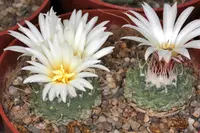
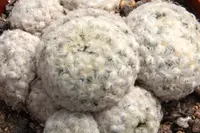
Strombocactus disciformis is a small, slow-growing cactus from arid limestone hills in central Mexico. It forms a flat, disc-shaped stem with pronounced triangular tubercles that give it a textured, geometric look.
The plant usually stays solitary and compact, which makes it suitable for container culture and collections. It produces relatively large, pale flowers from the crown when mature.
Its slow growth, sensitivity to overwatering, and need for very airy, mineral soil make it more challenging than common cacti. Understanding how to care for Cactus like this species helps prevent rot and other stress problems.

Care Difficulty
Hard Care

Light Preference
Full Sun

Water Requirements
Low Water

Temperature Preference
Tropical / Frost Sensitive

Hardiness Zone
10–11

Soil Texture
Sandy, Rocky, Loamy

Soil pH
Slightly acidic (6.5–7.0), Neutral (7.0)

Soil Drainage
Well-drained

Fertilization
Minimal (feed rarely)
Scan your plant to receive care tips personalized for your specific plant
Available on iOS and Android
Strombocactus disciformis prefers bright, indirect light with limited intense midday sun exposure.
This species needs sparse, carefully controlled watering to avoid root and stem rot.
This cactus prefers warm conditions but has limited tolerance to cold and frost.
This species prefers very dry air and rarely suffers from low household humidity.
Strombocactus disciformis needs a very fast-draining, mineral-heavy substrate to prevent root rot.
This small cactus is very suitable for container cultivation.
This slow-growing cactus needs only light, careful feeding to avoid root and tissue damage.
Strombocactus disciformis needs almost no structural pruning, only occasional clean-up for health.
This species prefers a stable pot and is repotted infrequently to avoid disturbing its sensitive taproot.
This cactus is usually propagated from seed, which requires patience and controlled conditions.
Cold-sensitive Strombocactus disciformis needs a cool, dry winter rest and protection from freezing conditions.

Plant Health Check
Not sure what's wrong with your plant? Check your plant's health inside the app.
This cactus is native to very restricted gypsum-rich limestone slopes in central Mexico and is rarely found outside these mineral-heavy soils in the wild, which strongly shapes its natural distribution and slow growth.
In habitat the plant body often remains almost flush with the soil surface, forming a flattened disc that helps reduce water loss and protect the growing point from intense sun and temperature extremes.
The stem surface is arranged in striking spiral rows of angular tubercles that give a pine-cone or artichoke-like appearance, an adaptation that increases surface area for photosynthesis while channeling scarce water toward the roots.

Strombocactus disciformis is regarded as one of the most specialized and localized Mexican cacti and is listed under CITES Appendix I, meaning that international trade in wild-collected specimens is strictly prohibited due to its small, vulnerable natural populations.
Lack of flowers usually comes from insufficient light, too much water, or keeping it too warm and moist in winter. A cool, dry rest period and stable conditions help set buds on this slow-growing species.
Keep your plants happy and healthy with plant identification, disease detection, and easy care guidance.