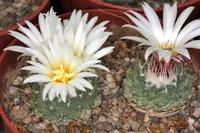


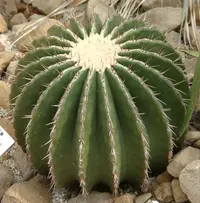

Cactus (Strombocactus disciformis) Light Needs

Cactus grows best in full sun to very bright light, with several hours of direct sun after acclimation.

Light Preference

Full Sun

Strombocactus disciformis Light Requirements

Strombocactus disciformis is native to arid limestone slopes and rocky crevices in central Mexico, where plants sit low and receive strong light for much of the day. Rock surfaces may reflect heat and light, while cracks can give brief shade during the hottest hours.

In cultivation, this supports a bright, open position with careful acclimation to direct sun. Preferred light is full sun to very bright partial sun.

  • Ideal exposure:

    Cactus needs about 6–8 hours of strong light daily, ideally full sun, including about 4–6 hours of direct sun.

  • Direct sun:

    Established plants tolerate full sun, but sudden exposure can burn tissue that formed in weaker light.

  • Partial sun:

    Very bright partial sun is acceptable if it includes direct morning sun and open light for the rest of the day.

  • Low light:

    Shade is not suitable because growth may stretch, lean, and become less compact over time.

Indoors, place the plant where it receives the brightest steady light available.

NPoor
North-facing window:

A north-facing window is usually too dim unless it is unusually bright and supplemented with strong artificial light.

ESuitable
East-facing window:

An east-facing window is suitable if it gives several hours of direct morning sun and bright light afterward.

SBest
South-facing window:

A south-facing window is best when the plant sits within 1–2 ft of unobstructed glass and is acclimated to stronger sun.

WConditional
West-facing window:

A west-facing window can work, but hot afternoon sun through glass may need light filtering in summer.

If growth starts to lean, move the pot closer to the light source or rotate it slightly every few weeks.

Excess light usually appears after a sudden increase in sun.

Bleached patches:

Pale cream or whitish areas may appear on the side facing the strongest sun.

Tan scarring:

Sunburned tissue can dry into firm tan marks that do not turn green again.

Reddish cast:

A red or purplish tone can develop during intense sun stress, especially after a fast move outdoors.

Sun-facing damage:

Marks are usually most obvious on the top or exposed side rather than evenly around the body.

Move the plant out of harsh afternoon rays and give bright filtered light while it stabilizes. Reintroduce stronger sun slowly over 1–2 weeks.

Low light often shows in the shape of Strombocactus disciformis before severe decline is visible.

  • Stretched center:

    New growth may rise taller than normal instead of staying low and compact.

  • Leaning body:

    The plant may tilt toward the brightest side when light comes from one direction.

  • Pale growth:

    Fresh tissue may look weaker or less evenly colored when light stays too dim.

  • Poor flowering:

    Blooming may be reduced or absent if the plant does not receive enough strong seasonal light.

Move it gradually to a brighter position with direct morning sun or stronger all-day light. Avoid a sudden jump from shade into hot full sun.

When ideal full sun is not available, choose the brightest spot that gives direct morning sun and strong light for the rest of the day.

Rotate the pot a quarter turn every few weeks to keep the body even and reduce leaning toward the light source.

A shelf several feet from the light source is usually too dim and should be avoided for long-term growth.

Get Personalized Care Plan

Scan your plant to receive care tips personalized for your specific plant

FAQ

The best light for Cactus is full sun to very bright partial sun, with about 6–8 hours of total daily light and several direct-sun hours after acclimation.

More Plant Light Guides

Get the Botan App

Discover how to care for your plants with Botan.

Botan app identifying a plant with a phone camera
What Do Plants Need to Grow – 5 Things Every Greenery Can't Live Without

8 min read · 31 Jul 2026

What Do Plants Need to Grow – 5 Things Every Greenery Can't Live Without

To keep plants healthy and thriving, provide the right balance of light, humidity, nutrients, airflow, and quality soil. This guide covers the essentials of year-round plant care.

Beginner Guides
What Do Plants Need to Grow – 5 Things Every Greenery Can't Live Without
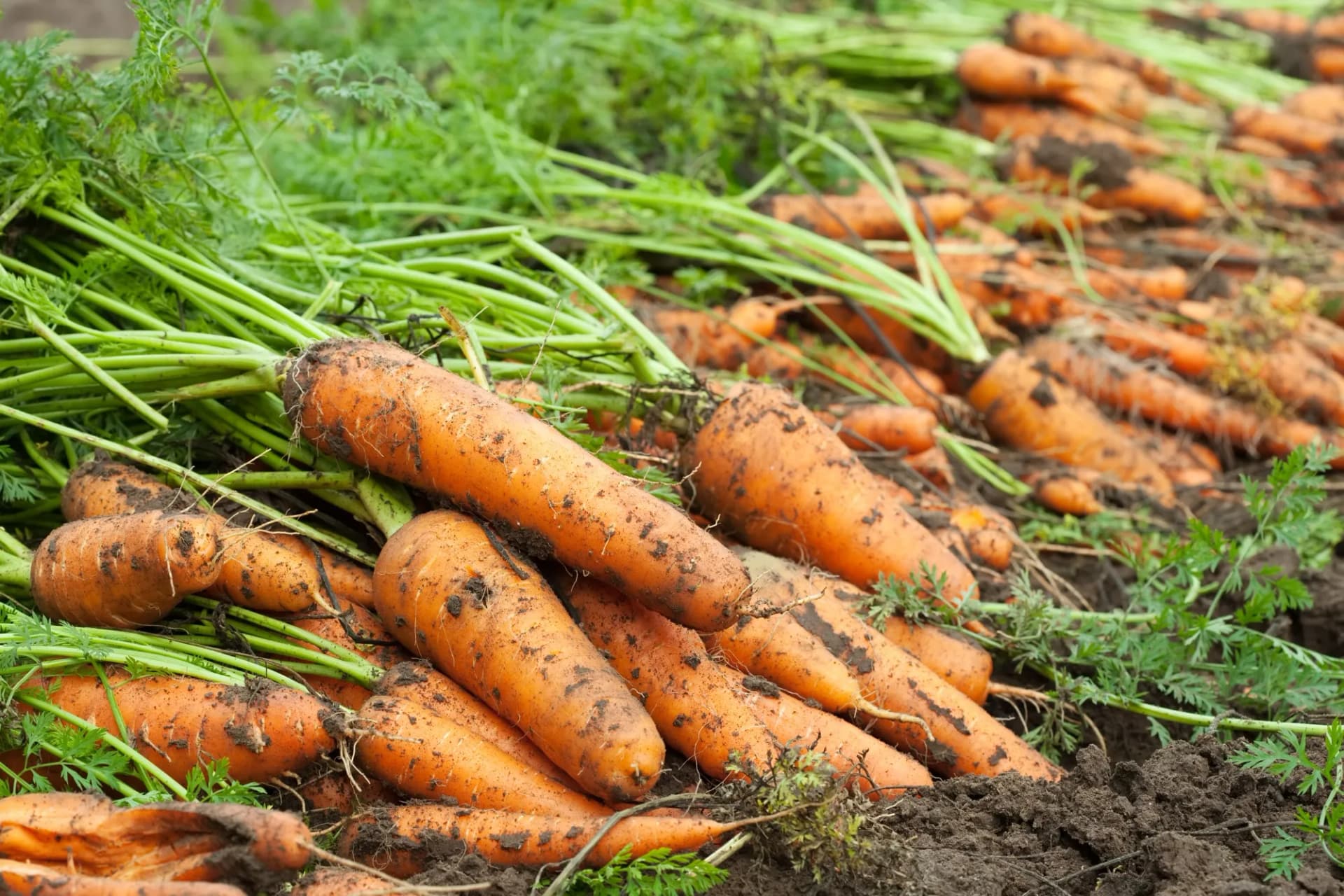
When to Harvest Carrots: Timing, Signs, and How to Pick Them

6 min read · 23 Oct 2026

When to Harvest Carrots: Timing, Signs, and How to Pick Them

Carrots are usually ready 60-80 days after sowing them in the soil, depending on the variety. Learn how to recognize maturity signs, choose the right harvest season, pull carrots without damaging them, and store roots after picking.

Plant Care
When to Harvest Carrots: Timing, Signs, and How to Pick Them
Top 15 Fast-Growing Trees For Your Garden

13 min read · 28 Jul 2026

Top 15 Fast-Growing Trees For Your Garden

Learn which of the 15 fastest-growing trees will suit your area. We’ll share detailed information on each: growth rate, mature spread, key tree demands, and main vulnerabilities. Read on and make the best choice possible.

Plant Recommendations
Top 15 Fast-Growing Trees For Your Garden