


7 min read · 6 Aug 2026
Planting Grass Seed in Summer – What Works and What Fails
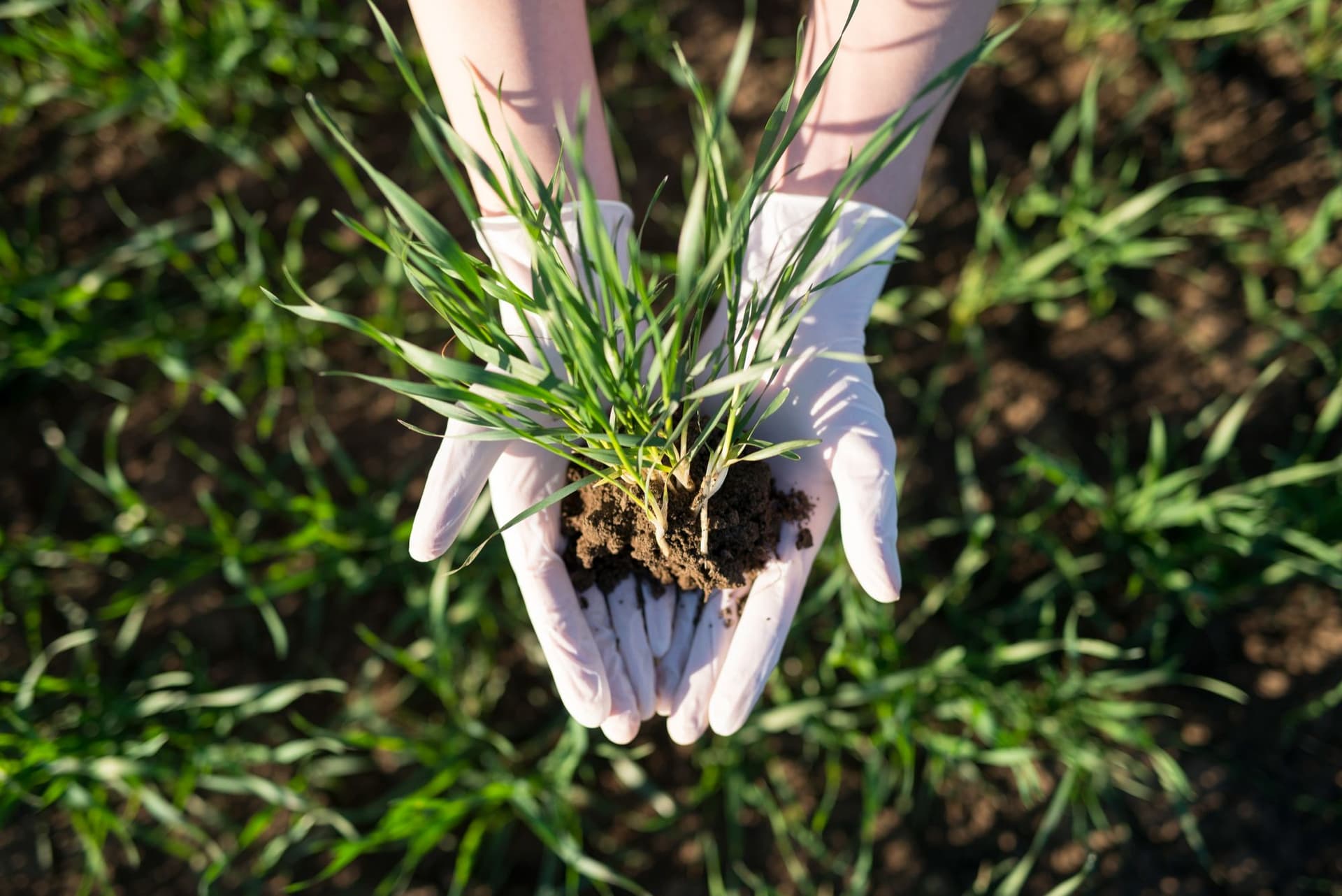
Summer seeding succeeds when the grass type suits the season, and the soil stays moist. Find out how to prepare the seedbed and choose a safe window for planting.

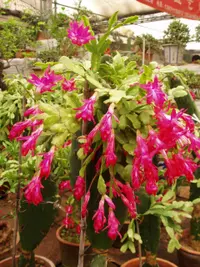
Christmas cactus grows best in full sun, with several hours of direct light each day.

Light Preference
Full Sun

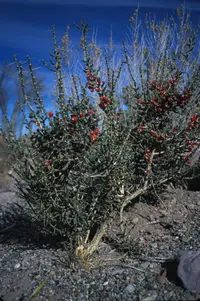
Cylindropuntia leptocaulis is native to dry, open habitats in the southwestern United States and northern Mexico, where it grows among desert scrub, grassland edges, and thorny brush. Light is usually strong, with long periods of direct sun and only brief shading from nearby stems or shrubs. In cultivation, this background explains its need for open exposure and strong daily light. It prefers full sun.
Christmas cactus needs about 6–8 hours of full sun daily, including 6 or more hours of direct sun when grown outdoors.
Established plants tolerate full sun, but new or recently moved plants should be introduced to stronger light over 1–2 weeks.
It can grow in partial sun if it still receives several hours of direct morning or midday light.
Shade is not suitable and usually leads to thin, stretched, weaker growth over time.
Excess light usually appears after a sudden move into harsher sun.
Pale, whitish, or straw-colored areas on sun-facing stems can indicate sunburn, especially after an abrupt exposure change.
Damaged spots may dry into tan, rough patches that do not green up again.
A reddish or bronze cast can appear when light and heat are stronger than the plant was used to.
Marks are usually worst on the side facing the strongest afternoon sun, not evenly around the plant.
Move Cylindropuntia leptocaulis to bright but less punishing exposure, or add light afternoon filtering. Reintroduce stronger sun gradually over 1–2 weeks.
Low light causes gradual changes during the active growing season. The pattern is usually stretched, weak growth rather than sudden collapse.
New stem sections may grow longer, thinner, and paler than older growth.
Stems may angle toward the brightest side instead of staying evenly upright or spreading naturally.
New branches may form farther apart, giving the plant a sparse, open look.
Budding and fruiting may be limited when direct sun is consistently low.
Little new growth in spring or summer can point to weak light if temperatures are suitable.
Move Cylindropuntia leptocaulis to a brighter, more open location. Increase exposure in steps if the new site receives intense direct sun.
Choose the brightest open spot available if full sun is limited, and prioritize several hours of direct morning or midday sun over all-day shade.
Trim or move nearby obstructions that cast long shade, and rotate potted plants every few weeks so each side receives stronger light.
Reject dim indoor corners or covered patios as long-term placements because they cannot meet Cylindropuntia leptocaulis light needs.
Scan your plant to receive care tips personalized for your specific plant
Christmas cactus light requirements are best met with full sun outdoors. Aim for strong daily light and several hours of direct sun, with partial sun tolerated better than shade.
Discover how to care for your plants with Botan.


7 min read · 6 Aug 2026
Summer seeding succeeds when the grass type suits the season, and the soil stays moist. Find out how to prepare the seedbed and choose a safe window for planting.

6 min read · 30 Oct 2026
Hydrangeas grow best when you plant them in cool weather. This guide explains when to plant hydrangeas in your area, compares fall and spring planting seasons, and shows the right steps for each type.

7 min read · 13 Aug 2026
Rainwater, filtered, distilled, and tap water affect plants differently. Learn which types support healthy growth and which cause slow damage. Match each to your plants and discover how to easily improve tap water quality.