


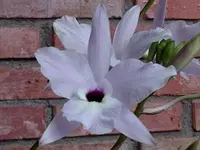
Queen of The Night (Epiphyllum oxypetalum) Light Needs

Queen of The Night grows best in bright, indirect or filtered light with brief gentle morning sun.

Light Preference

Bright Indirect Light

Epiphyllum oxypetalum Light Requirements

In its native tropical forest habitat, Epiphyllum oxypetalum grows as an epiphytic cactus on tree trunks and branches, where overhead canopy softens the sun. Light is usually bright but broken, with some seasonal openings and short periods of gentle direct sun. This background explains why cultivated plants perform poorly in harsh, all-day sun but tolerate partial shade. It prefers bright, indirect or filtered light.

  • Ideal exposure:

    Queen of The Night needs about 6–8 hours of bright, indirect or filtered light daily, including up to 1–2 hours of gentle direct morning sun.

  • Direct sun:

    Avoid full sun, especially hot afternoon rays, because the flattened stems can scorch after sudden exposure.

  • Lower light:

    It tolerates partial shade, but dim rooms often reduce flowering and produce weaker new growth.

  • Best sun timing:

    Morning sun is safer than west-facing afternoon sun when the plant is indoors or summered outside.

Indoors, choose a bright spot that protects the flattened stems from harsh afternoon sun.

NConditional
North-facing window:

A bright, unobstructed north-facing window can maintain the plant, but growth and flowering may be weaker.

EBest
East-facing window:

An east-facing window is often ideal, giving soft morning sun and bright indirect light for the rest of the day.

SSuitable
South-facing window:

A south-facing window is suitable if the plant sits 3–6 ft back or behind a sheer curtain.

WConditional
West-facing window:

A west-facing window is conditional; keep it several feet back or filter the afternoon sun to prevent scorch.

If stems look pale or growth stretches, adjust the distance gradually rather than making a sudden move.

Strong sun usually shows on the exposed side first.

Bleached patches:

Flat stems may develop pale tan or whitish areas where direct rays hit hardest.

Dry sun spots:

Scorched tissue can turn corky or brown after a sudden move into stronger sun.

Reddish tint:

A light red or bronze cast may appear on sun-facing stems before more serious damage.

Flower buds stall:

Bud development may slow if intense heat and light stress the plant during the blooming period.

Move it out of harsh afternoon sun and provide bright filtered light. Make the change promptly, but avoid shifting from very bright conditions to deep shade.

Low light often appears gradually during the active growing season.

  • Stretched segments:

    New stem growth may become long, thin, and weaker than older growth.

  • Wider spacing:

    Growth can look sparse, with longer gaps between healthy branching points.

  • Leaning growth:

    Stems may angle strongly toward the nearest window instead of growing evenly.

  • Few flowers:

    Mature plants may produce few or no buds when light is consistently weak.

Move the plant closer to a brighter window or brighter filtered exposure. Increase light in steps over 1–2 weeks so older stems can adjust.

If ideal light is not available, choose the brightest area that avoids hot afternoon rays. A spot with long, bright ambient light is usually better than a short blast of strong sun.

Rotate the pot a quarter turn every 1–2 weeks so each side receives even exposure and the stems do not lean strongly.

Avoid a dark corner because it usually cannot support sturdy growth or reliable bud formation.

Get Personalized Care Plan

Scan your plant to receive care tips personalized for your specific plant

FAQ

The best light for Queen of The Night is bright, indirect or filtered light for most of the day, with only brief gentle morning sun if the plant is acclimated.

Everything About Queen of The Night

More Plant Light Guides

Get the Botan App

Discover how to care for your plants with Botan.

Botan app identifying a plant with a phone camera
12 Best Plants for Bathroom That Thrive in Humid Conditions

9 min read · 29 Sept 2026

12 Best Plants for Bathroom That Thrive in Humid Conditions

Discover the 12 best plants for bathroom spaces. Each pick comes with its own advantages, plus light, humidity, watering, and placement tips. Take a look and match the plant to your specific bathroom.

Plant Recommendations
12 Best Plants for Bathroom That Thrive in Humid Conditions
Best Water for Plants – How to Choose the Right Type

7 min read · 13 Aug 2026

Best Water for Plants – How to Choose the Right Type

Rainwater, filtered, distilled, and tap water affect plants differently. Learn which types support healthy growth and which cause slow damage. Match each to your plants and discover how to easily improve tap water quality.

Plant Care
Best Water for Plants – How to Choose the Right Type
How to Repot a Plant: A Step-by-Step Guide

7 min read · 28 May 2026

How to Repot a Plant: A Step-by-Step Guide

In spring, many plants need repotting—an essential part of care. To avoid stress, consider the plant’s type and size. This article offers a step-by-step guide for repotting indoors or outdoors and shows how to check plant health and get care tips using the Botan app.

Plant Care
How to Repot a Plant: A Step-by-Step Guide