

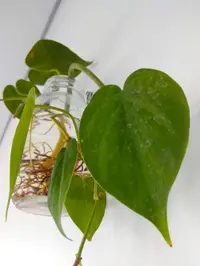
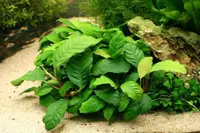
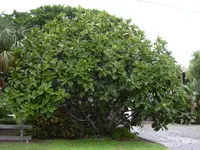
Taro (Colocasia esculenta) Light Needs

Taro grows best in bright partial sun, with gentle direct light and protection from harsh afternoon exposure.

Light Preference

Partial Sun

Colocasia esculenta Light Requirements

In cultivation and in naturalized wet tropical settings, Colocasia esculenta often grows along stream edges, ditches, and open marshy ground where light is bright and moisture is steady. Leaves may receive open sun in humid conditions, but nearby vegetation can provide filtered light during part of the day.

These conditions explain why cultivated plants tolerate sun but look best when the strongest rays are moderated. Preferred light is partial sun.

  • Ideal exposure:

    Taro needs about 6–8 hours of bright filtered light or partial sun daily, including about 2–4 hours of direct morning sun.

  • Direct sun:

    Full sun can be tolerated outdoors when the plant is gradually acclimated and not exposed suddenly to intense rays.

  • Lower light:

    Bright shade may keep it alive, but deep shade usually leads to stretched, weaker growth and smaller leaves.

  • Afternoon rays:

    Hot afternoon sun is the riskiest exposure, especially through glass or after moving the plant from lower light.

Indoors, place the plant where it receives bright light and some gentle direct sun.

NPoor
North-facing window:

A north window is usually too dim unless the room is exceptionally bright and unobstructed.

EBest
East-facing window:

An east window usually gives gentle direct morning sun and bright light for much of the day.

SSuitable
South-facing window:

A south window can work if the plant sits a few feet back or the strongest rays are filtered.

WConditional
West-facing window:

A west window is usable only with filtering or distance from the glass to reduce hot afternoon sun.

If leaves lean strongly toward the glass, rotate the pot and move it to a brighter safe exposure.

Strong sun can stress broad leaves, especially after a sudden move.

Pale patches:

Large leaves may develop bleached tan areas on the side facing the strongest sun.

Papery scorch:

Sun-exposed patches can dry into thin, papery spots after sudden exposure to intense rays.

Midday collapse:

Leaves may droop during the brightest hours, especially when heat builds near glass.

Faded surface:

The upper leaf surface may look washed out where light is too strong for the current acclimation level.

Move Colocasia esculenta into morning sun or bright filtered light. If more sun is needed outdoors, increase exposure gradually over several days.

Weak light usually affects shape and new growth before older leaves show obvious stress.

  • Long leaf stalks:

    New leaves may rise on longer, weaker stalks as the plant reaches toward the brightest side.

  • Leaning growth:

    The whole plant may angle toward a window instead of holding a balanced shape.

  • Smaller new leaves:

    Fresh leaves may open smaller than older leaves during the active growing season.

  • Sparse growth:

    Fewer new leaves may appear when the plant does not receive enough daily light.

Move it to a brighter position with gentle direct sun or strong filtered light. Increase exposure in steps if the previous position was dim.

Choose the brightest spot that avoids harsh afternoon rays if ideal partial sun is not available. A few hours of morning sun is a better compromise than dim all-day shade.

Rotate the pot every week to keep the broad leaves from leaning toward the light source. Use a sheer curtain when direct sun through glass creates hot, sharp leaf shadows.

A room set far from windows is unsuitable because it cannot provide enough usable light for strong leaf growth.

Get Personalized Care Plan

Scan your plant to receive care tips personalized for your specific plant

FAQ

The best light for Taro is bright partial sun, with 6–8 hours of total light and a few hours of gentle direct sun. Harsh afternoon sun is less suitable indoors or after sudden moves.

More Plant Light Guides

Get the Botan App

Discover how to care for your plants with Botan.

Botan app identifying a plant with a phone camera
Top 15 Fast-Growing Trees For Your Garden

13 min read · 28 Jul 2026

Top 15 Fast-Growing Trees For Your Garden

Learn which of the 15 fastest-growing trees will suit your area. We’ll share detailed information on each: growth rate, mature spread, key tree demands, and main vulnerabilities. Read on and make the best choice possible.

Plant Recommendations
Top 15 Fast-Growing Trees For Your Garden
Top 5 Best Indoor Plants for Air Quality

5 min read · 11 Sept 2026

Top 5 Best Indoor Plants for Air Quality

Indoor plants can make a room feel fresher thanks to their air-purifying qualities. Here are 5 of the most suitable choices for your routine and living space.

Plant Recommendations
Top 5 Best Indoor Plants for Air Quality
How To Revive a Dying Plant: 6 Steps To Bring A Plant Back To Life

6 min read · 1 Sept 2026

How To Revive a Dying Plant: 6 Steps To Bring A Plant Back To Life

Drooping leaves and brown tips don't always mean the end, and a weakened plant can often recover with a little help. These six simple steps will help you revive a dying plant and restore its health.

Plant Care
How To Revive a Dying Plant: 6 Steps To Bring A Plant Back To Life