

melon (Cucumis melo) Light Needs

In cultivation, melon grows best in full sun with long, direct daily exposure during warm weather.

Light Preference

Full Sun

Cucumis melo Light Requirements

Cucumis melo is adapted to warm, open habitats and field conditions where sunlight is direct for much of the day. Its broad leaves and fast vining growth support high light use when temperatures are warm and soil conditions are favorable.

In cultivation, shaded sites usually reduce vine strength, flowering, and fruit development, especially during fruit set. The preferred light is full sun.

  • Ideal exposure:

    Ideal exposure: melon needs about 8–10 hours of open outdoor light daily in full sun, including at least 6–8 hours of direct sun.

  • Direct sun:

    Established plants tolerate full sun well when temperatures are warm, but new transplants should be hardened off before all-day exposure.

  • Low light:

    Less than 6 hours of direct sun often leads to weak vines, fewer flowers, and poor fruit development.

  • Afternoon heat:

    Strong afternoon sun is usually acceptable outdoors if air circulation is good and the plant was acclimated gradually.

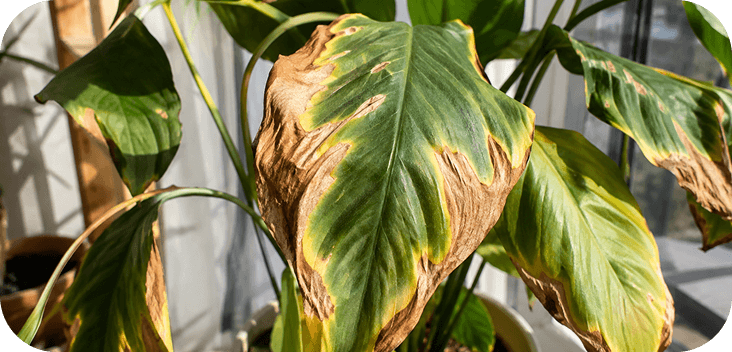
Excess light is usually a problem after sudden exposure or extreme heat.

Bleached patches:

Pale tan or whitish areas may appear on the sun-facing leaves after abrupt exposure.

Papery spots:

Scorched tissue often turns dry and thin instead of staying green and flexible.

Midday flagging:

Leaves may droop during harsh afternoon sun in open beds, especially on newly set transplants.

Exposed fruit:

Fruit with little leaf cover can develop pale, sunken sunscald patches.

Move young plants into brighter sun gradually, or give temporary afternoon shade during heat waves. Keep the final site open and sunny once growth is acclimated.

Too little light affects growth before the plant looks severely damaged. It often shows up as weak vines and poor flowering.

  • Stretched vines:

    Stems may lengthen quickly with wide spacing between leaves as they search for stronger light.

  • Leaning growth:

    New growth may angle toward the brightest side instead of spreading evenly.

  • Few flowers:

    Shaded plants often produce fewer blossoms, which limits fruit set.

  • Small new leaves:

    New leaves may stay smaller and thinner during active growth.

  • Slow fruiting:

    Developing fruit may be sparse or slow when daily sun is below full-sun levels.

Move the plant to the sunniest available outdoor position with at least 6–8 hours of direct sun. Avoid relying on shade as a cooling strategy.

Choose the brightest open outdoor site available if full sun is limited, and prioritize morning-to-midday sun over brief late-day exposure.

Trim or reposition nearby shade sources where possible, and set supports or plant spacing so leaves do not shade the crown heavily.

Avoid planting where buildings, fences, or dense overhead cover block most direct sun, because flowering and fruit development will usually suffer.

Get Personalized Care Plan

Scan your plant to receive care tips personalized for your specific plant

FAQ

The best light for melon is full sun outdoors, with long daily exposure and little shade. Strong light supports vigorous vines, flowering, and fruit development.

More Plant Light Guides

Get the Botan App

Discover how to care for your plants with Botan.

Botan app identifying a plant with a phone camera
What Do Plants Need to Grow – 5 Things Every Greenery Can't Live Without

8 min read · 31 Jul 2026

What Do Plants Need to Grow – 5 Things Every Greenery Can't Live Without

To keep plants healthy and thriving, provide the right balance of light, humidity, nutrients, airflow, and quality soil. This guide covers the essentials of year-round plant care.

Beginner Guides
What Do Plants Need to Grow – 5 Things Every Greenery Can't Live Without
Plants That Repel Bugs – 20 Effective Options

12 min read · 16 Jul 2026

Plants That Repel Bugs – 20 Effective Options

Mosquitoes on the patio? Gnats in the kitchen? Some plants keep them away with the scent of their own leaves. Here are 20 that deal with mosquitoes, flies, aphids, and more, plus where to put them so they help.

Plant Recommendations
Plants That Repel Bugs – 20 Effective Options
How to Mist Plants – Proper Technique and Common Mistakes

7 min read · 30 Jul 2026

How to Mist Plants – Proper Technique and Common Mistakes

Find out when misting works well and when to avoid it. Here, you’ll find detailed information about compatible and incompatible species, tips on how often to mist plants and do it correctly, and some great alternatives for raising humidity.

Beginner Guides
How to Mist Plants – Proper Technique and Common Mistakes